


India is a country of incredibly diverse climates across a vast land mass. And whatever your plans, route, or desired destinations are, understanding India’s seasons can help you plan an ideal trip.
So, without further adieu, here’s a comprehensive guide to help you understand the varied seasons of this stunning nation.
Winter (December to February)
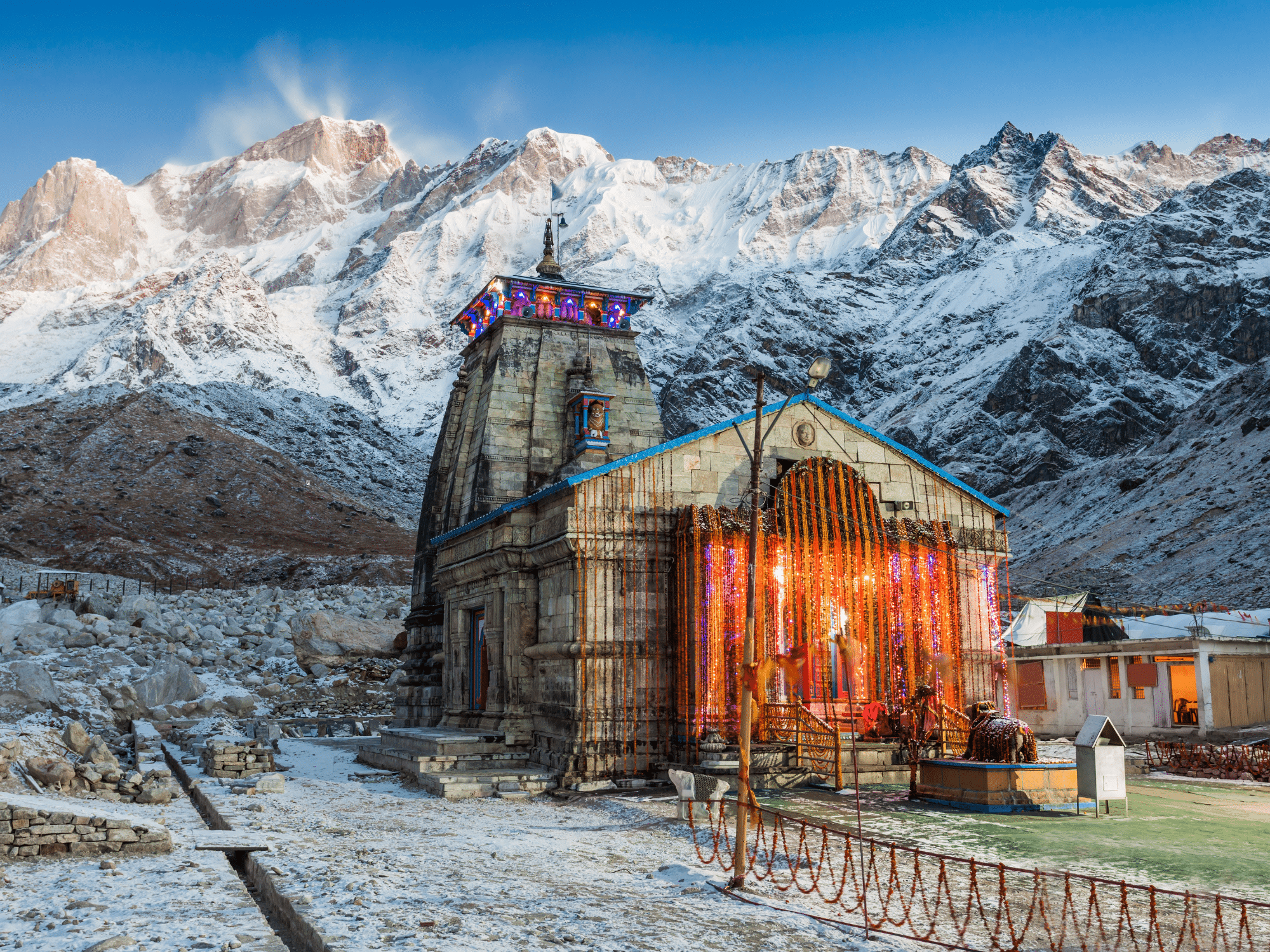
Winter in India runs roughly from December to February and offers cool and pleasant weather across most of the country.
Northern destinations, including the Himalayan regions, experience cold temperatures often dropping below freezing and snowfall in places like Manali, Shimla, and Kashmir. India isn’t particularly well-known for winter sports, but they’re available for those who enjoy them. Or, simply marvel at the breathtaking winter landscapes while kicking back and enjoying a cup of warm tea.
In contrast, more southern parts of India and coastal regions like Kerala, Goa, and Tamil Nadu enjoy warmer, more pleasant temperatures during the winter. This makes it an excellent time to explore the backwaters, beaches, and cultural sites of the area.
Major cities like Delhi, Jaipur, and Agra are also more comfortable to visit during winter. Cooler weather makes exploring bustling cities and monuments more enjoyable for the average traveler.
Summer (March to May)
India’s summer, also known as the pre-monsoon season, runs from March to May. Temperatures rise, with many northern and central regions experiencing intense heat. In fact, temperatures can soar above 104°F (40°C) in states like Rajasthan, Uttar Pradesh, and Maharashtra!
While this might seem like a deterrent, there are “hill stations” or higher-altitude towns that offer a refreshing escape from the heat. Popular ones include Shimla, Manali, Darjeeling, and Ooty, which are at their best during the summer season with blooming flowers, lush greenery, and comfortable temperatures.
If you’re thinking about a safari in India, then summer is also an excellent time to visit its national parks and wildlife sanctuaries. That’s because successful sightings are more likely when animals gather around common water sources to drink and beat the heat.

Monsoon (June to September)
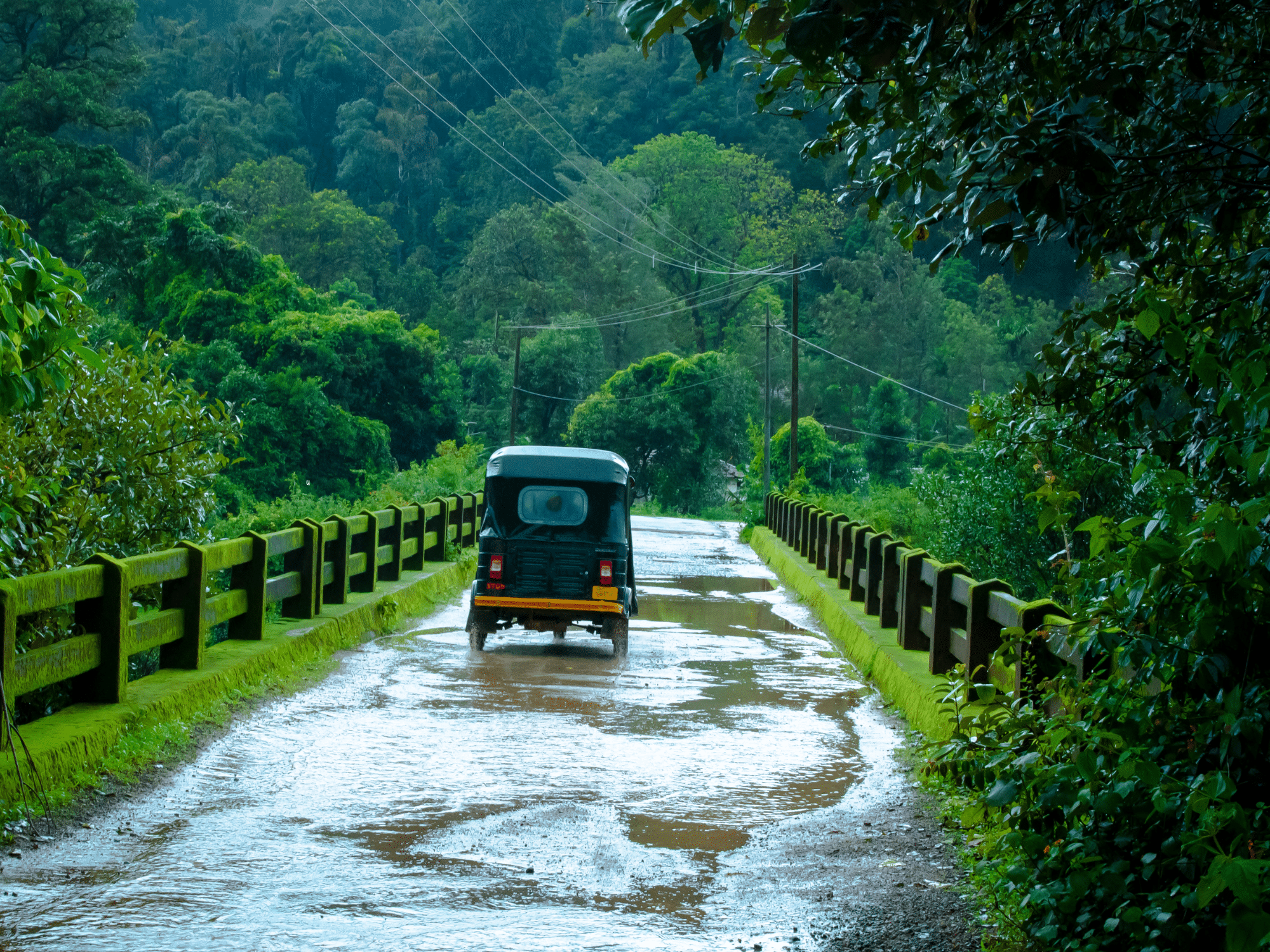
The monsoon in India spans from June to September and is characterized by heavy rainfall across many parts of the country. The southwest monsoon typically first hits the coastal state of Kerala and then gradually spreads.
A barrage of rain transforms India’s landscapes into lush, green paradises, particularly in the Western Ghats and north-eastern states.
While the monsoon season may deter some travelers, it can be a magical time to visit certain regions. India’s famous tea gardens, such as those in Assam and Darjeeling, are often at their most picturesque after a heavy downpour.
Post-Monsoon (October to November)
The post-monsoon period from October to November is regarded by some as the best time to visit India. The weather is pleasantly warm and much drier, making it ideal for travel across most areas. Plus, many landscapes are more scenic following the heavy rains.
The northern plains, including Delhi, Agra, and Rajasthan, are particularly enjoyable during this period, with comfortable weather perfect for exploring historical sites, palaces, and forts. Southern India offers equally favorable conditions for touring its natural and cultural beauty. And beach destinations like Goa begin to welcome tourists as the weather becomes more predictable and pleasurable.
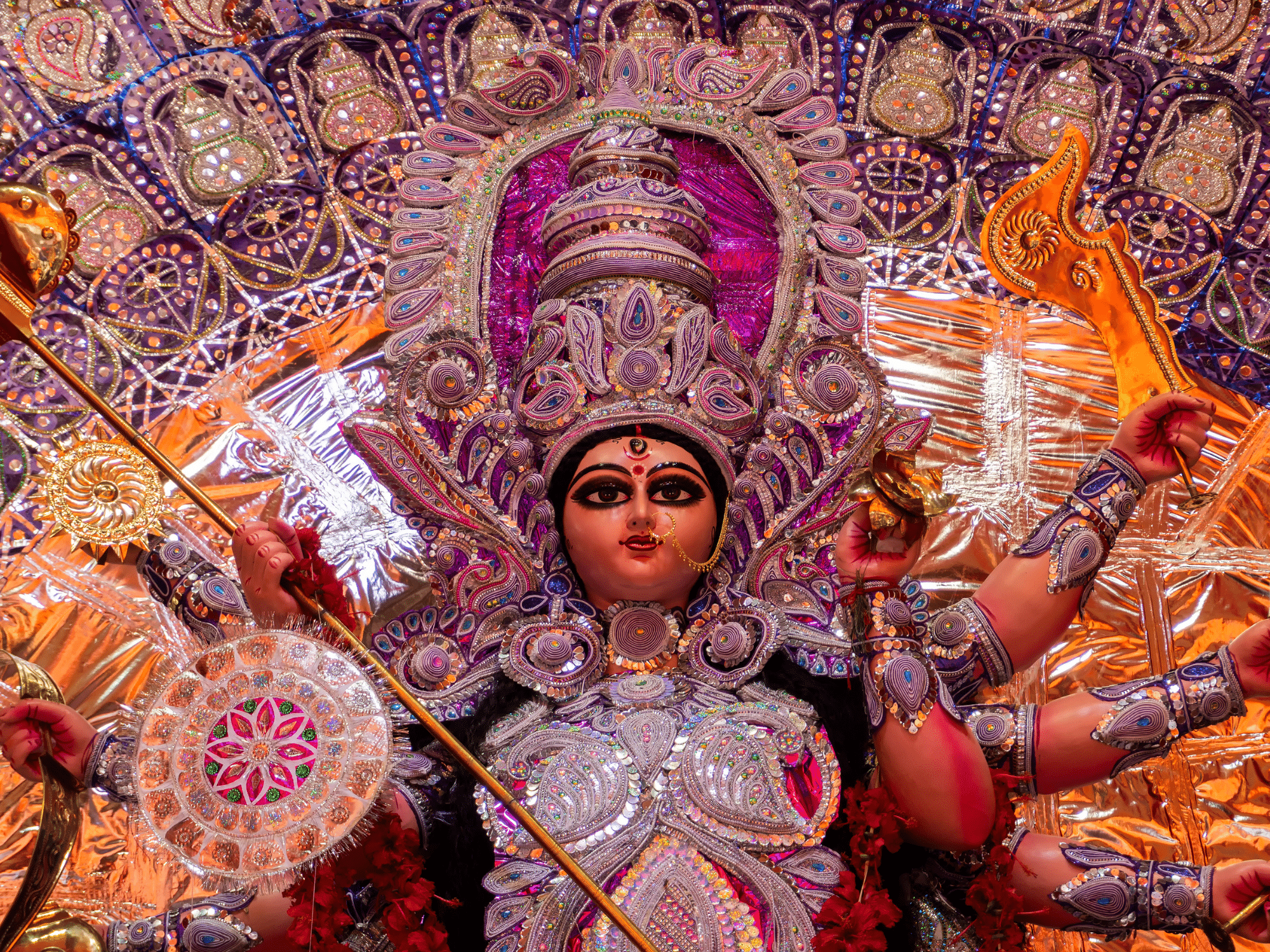
This period is also when many of India’s most significant festivals, such as Diwali, Dussehra, and Durga Puja are celebrated. So, there’s no better time to immerse yourself in the country’s rich cultural heritage.
The perfect time for your trip to India depends on what you want to see, do, and experience. Each season has something to offer, so you’re free to pick the one that piques your interest.
Have you been to India before? Comment below, I’d love to hear what you thought!
You May Also Like:
» 12 Tips To Help You Prepare For Vacation
» Travel Safety Tips Every Jetsetter Should Know
» 10 Stunning Bucket List Destinations

Leave a Reply