

It’s always challenging to capture the beauty of the world around us in a single frame. Oftentimes, eye-popping colors and breathtaking landscapes are nearly impossible to duplicate in a two-dimensional image.
But that doesn’t mean it’s not fun to try.
And by using these ten simple travel photography composition tips, you can create stunning images that bring that beauty alive!
1. Rule of Thirds
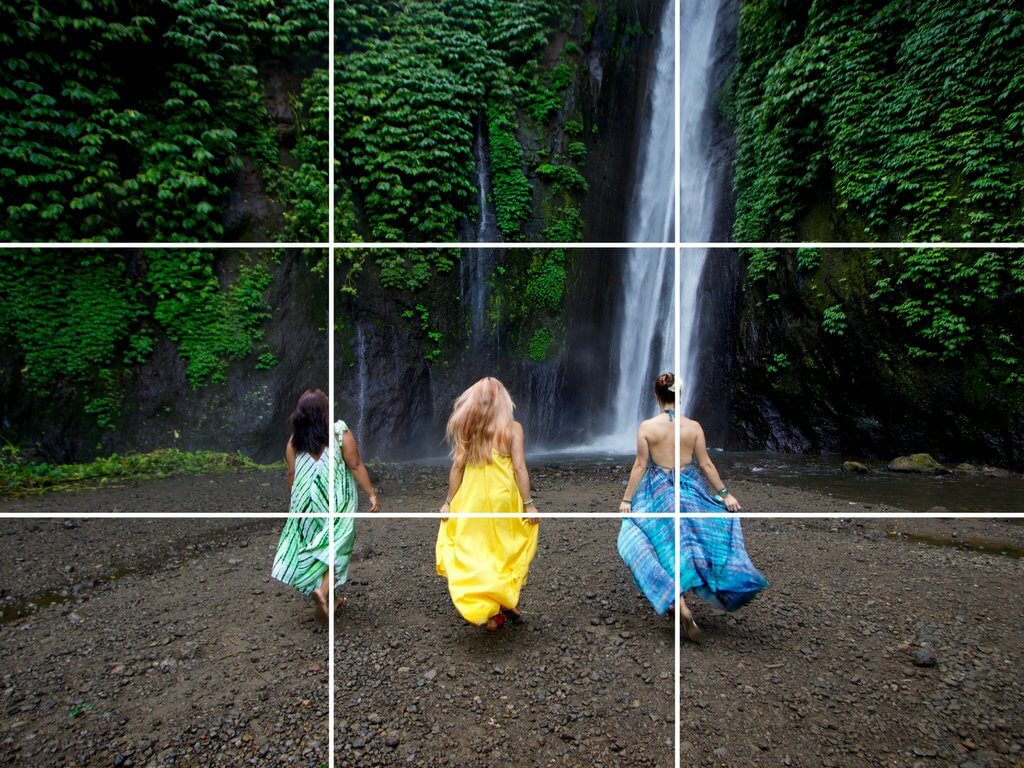
One of the easiest things you can do to step up your photography is to implement the Rule of Thirds. To do so, break your photo into three sections vertically and horizontally. Then, line up the shot so your subject falls along one or more of the lines.
In the example below, you can see that the three subjects fall along the lower horizontal line, and the waterfall runs along the right vertical line. This kind of composition brings out the striking landscape that would be largely lost if the subjects were centered.
2. Symmetry
Throwing the Rule of Thirds out the window, you can also create stunning images with symmetry. Our brains love order, so lining up a shot to highlight your subject can be very pleasing to the eye.
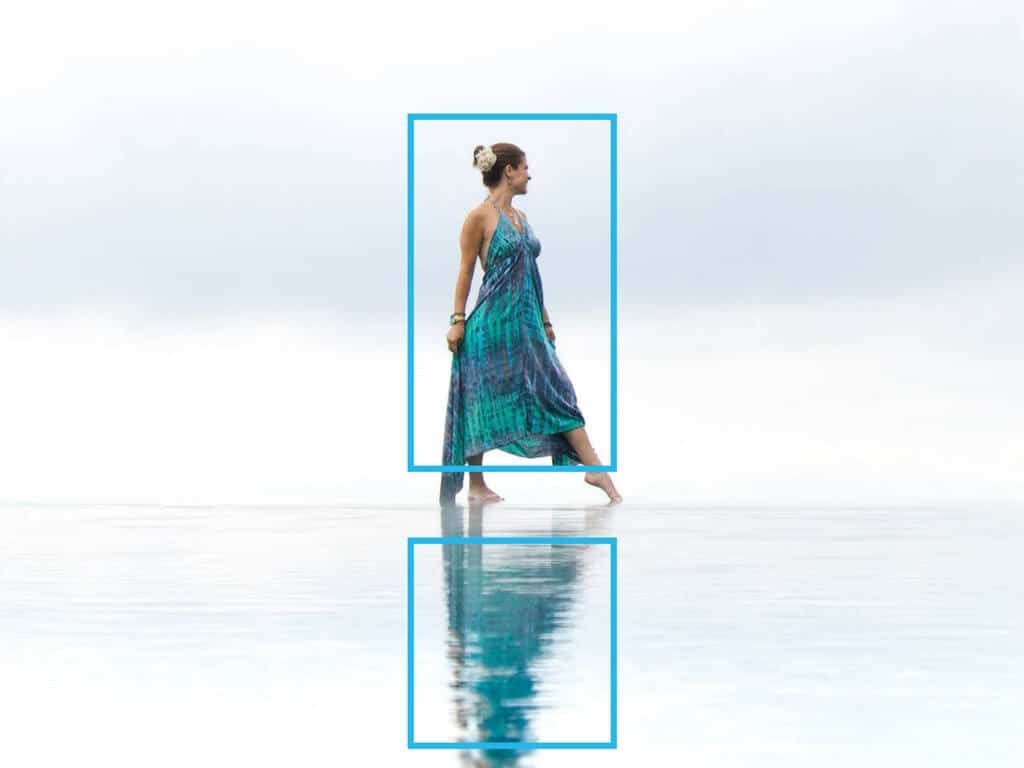
This is also true of reflections in photography. Splitting the photo so the reflection creates a mirror image adds an artful arrangement to a photo’s composition.
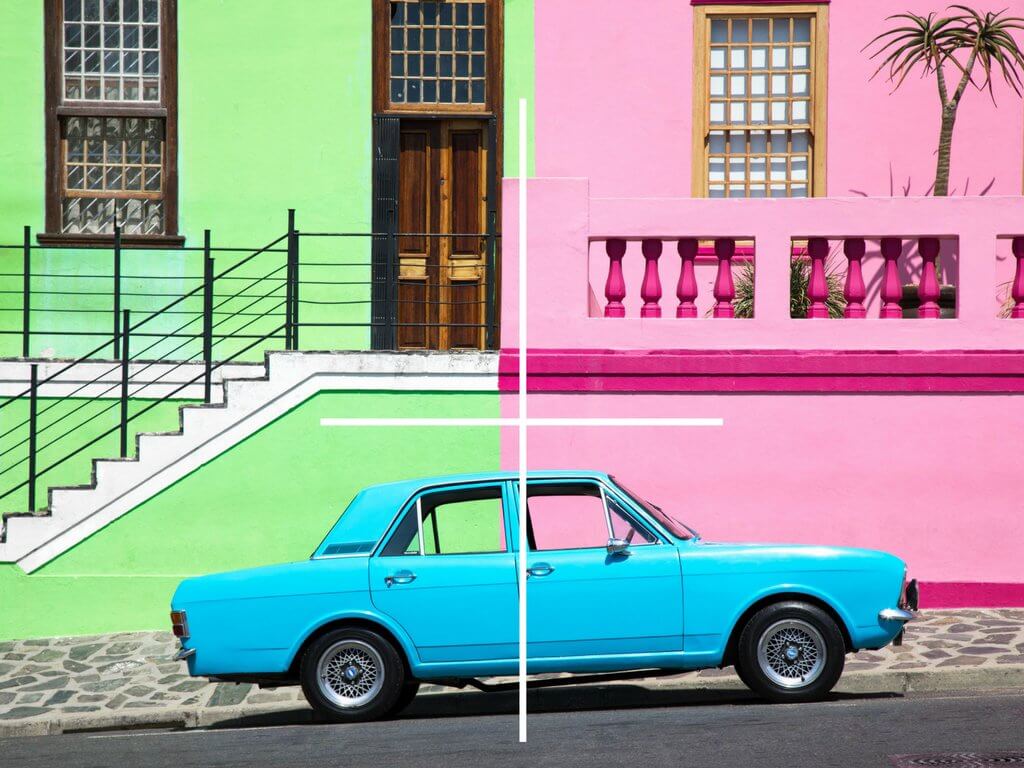
In the first example below, the image is cut in half vertically by the two different colored buildings, and horizontally with architectural lines. Throw in the perfectly centered blue car in and you’ve got yourself a winner! In the second example, shooting the subject at an infinity pool forms a mirror-effect that makes the picture more intriguing.
3. Leading Lines
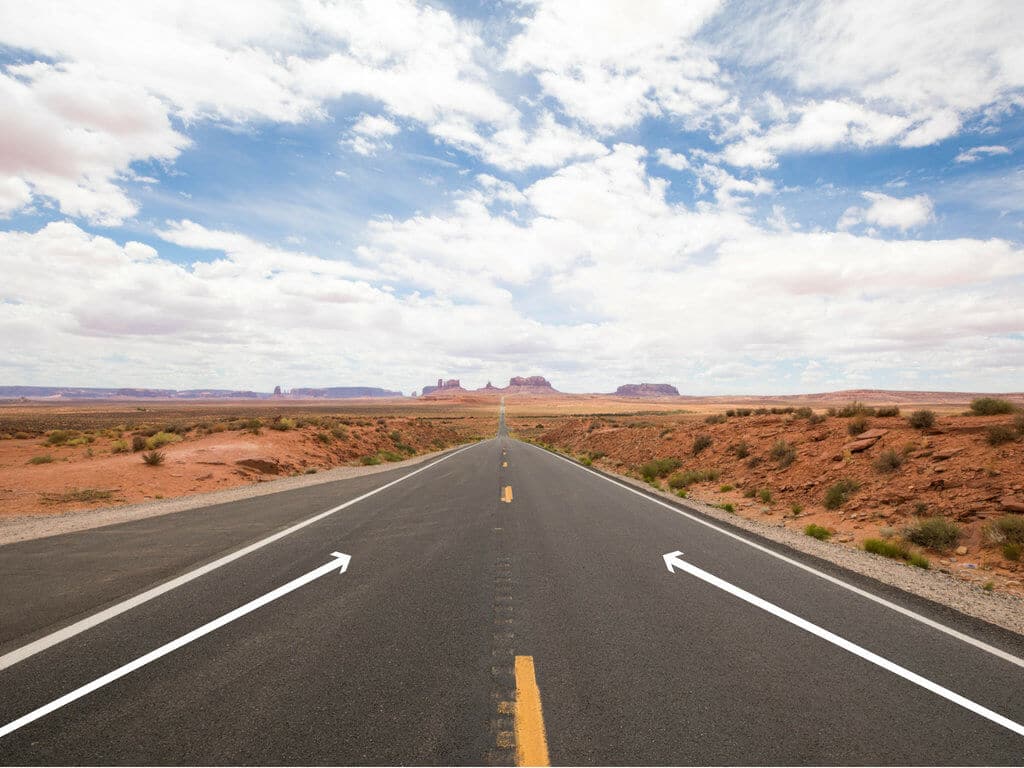
Another way to guide a viewer’s eye to the photo’s subject is with the travel photography composition rule of leading lines. These are aspects of the scene that naturally draw our audience’s eyes to where we want their focus to be. Things like roads, rivers, boardwalks, crop rows, etc are great for this!
In the example below, you can see how the road naturally draws your eye to the rock formations on the horizon.
4. Direction
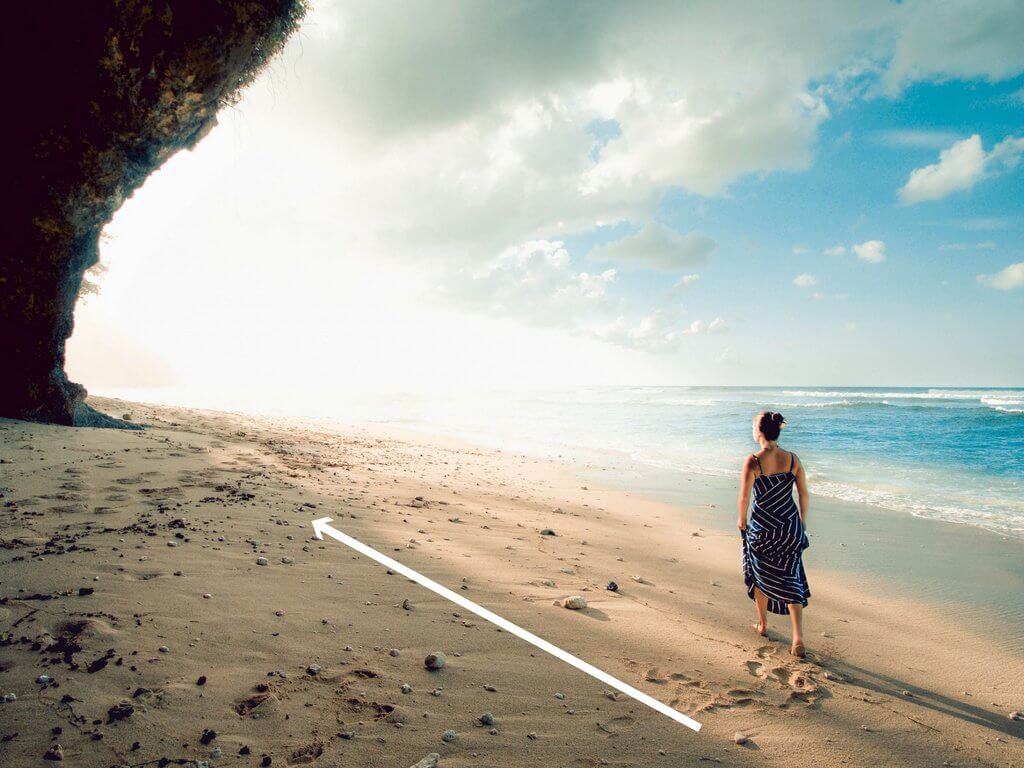
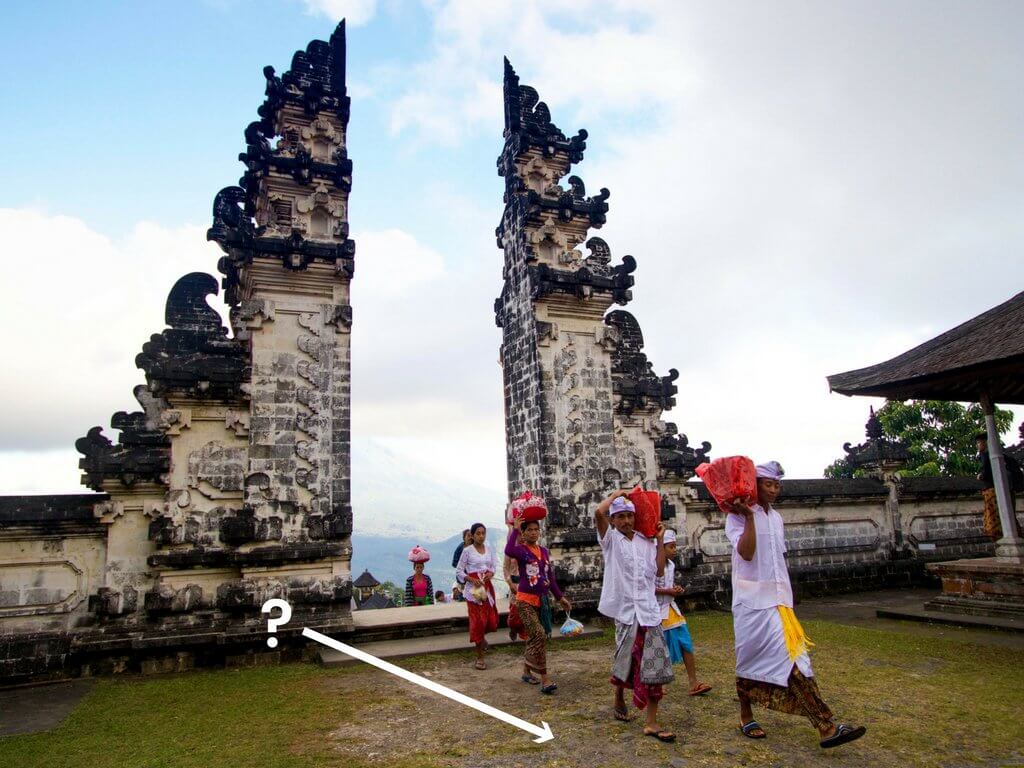
We want our photos to bring our audience along on a journey with us. One way to do this is with direction. Create a sense of movement by leaving space in front of the subject so your viewers can anticipate where the scene is headed. Or conversely, create a sense of curiosity by leaving more space behind the subject than in front so your audience wonders what’s next.
Movement is a way to engage your viewers so they become more personally invested in your photo.
In the first example, you can see the subject is headed up the beach towards sunrise. It’s easy to imagine walking right alongside them. In the second example, you can see the subjects are walking through the temple gate, but to where? Without being able to see what’s in front of them, it creates a sense of mystery.
5. Details
The devil really is in the details. Look for what makes your subject interesting beyond the obvious. Shooting the minute elements that make your subject unique will take your photos from simple to splendid.
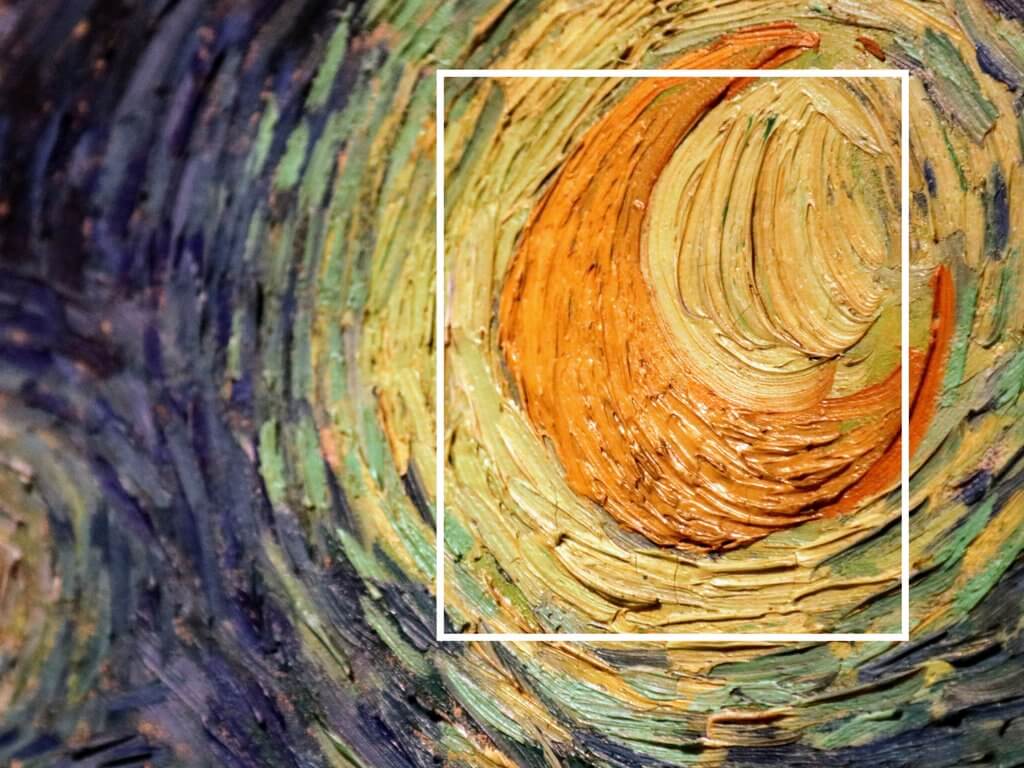
Visiting Van Gogh’s masterpiece, Starry Night, had been on my bucket list forever. So when I was finally able to see it at the MoMA, it literally brought tears to my eyes. What struck me about it to prompt such a response? The intricacy of individual brush strokes, and how each fleck of paint created this iconic image.
So after getting my obligatory centered shot (which looks no different than any poster, magnet, or T-shirt sold in the gift shop) I got closer. In the example below, you can see how shooting tight on the painting’s detail allows my viewer to experience the painting as I did – as a larger whole made up of small, remarkable parts.
6. Color
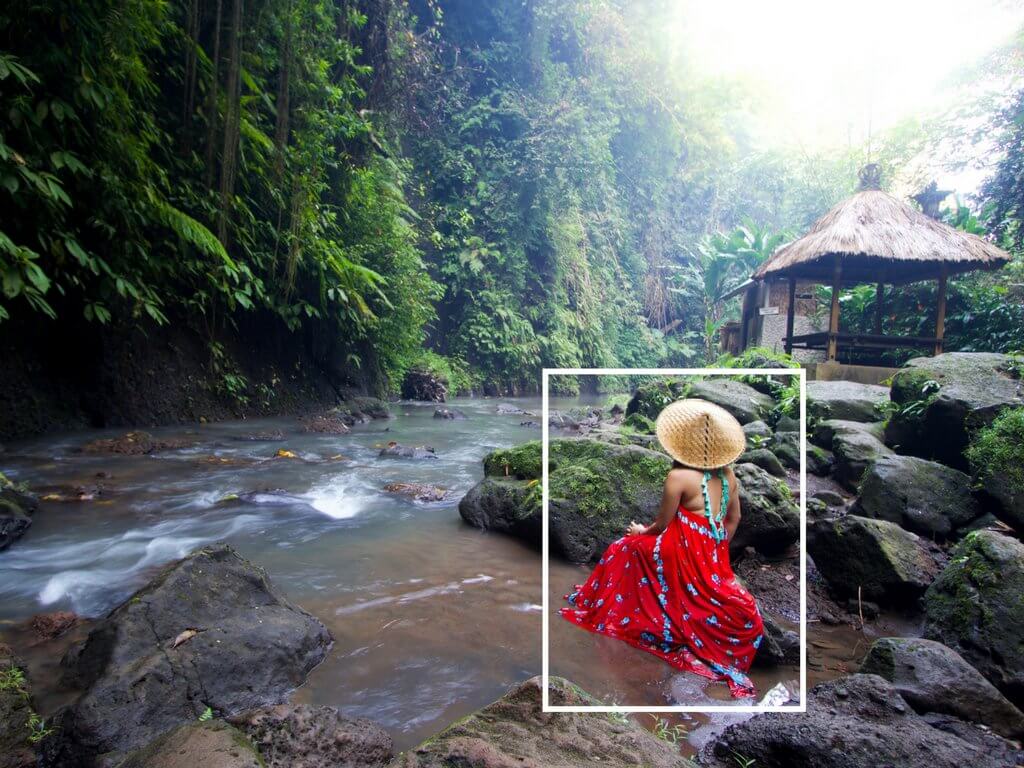
Color is its own character within your creations. It can be subtle, bold, playful, or dramatic. And by making your subject pop with contrasting hues, you also make your travel photography composition more dynamic.
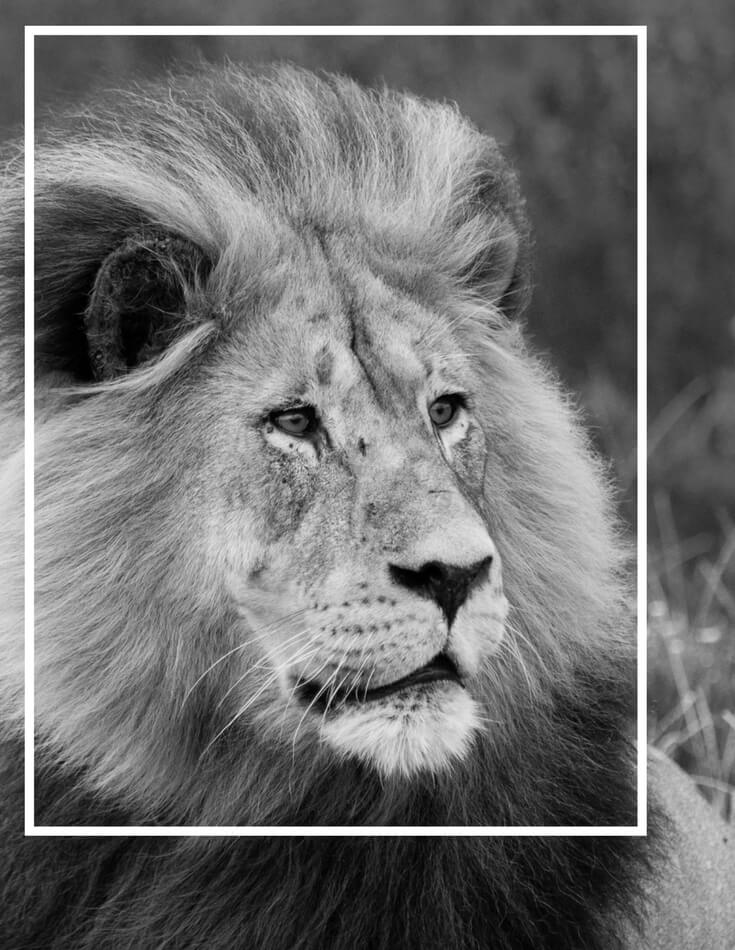
Even the lack of color can add another dimension to your photography. Shooting in black and white, textures begin to stand out and your shots become more remarkable. And come on, who doesn’t look better in black and white?
In the first example, you can see how the subject’s bright red dress makes the lush vegetation more vibrant, and her more striking as the focal point. In the second example, removing the color centers focus on the intricate details of the lion’s face. Each hair, scar, and dimple creates a more tactile experience for the viewer.
7. Framing
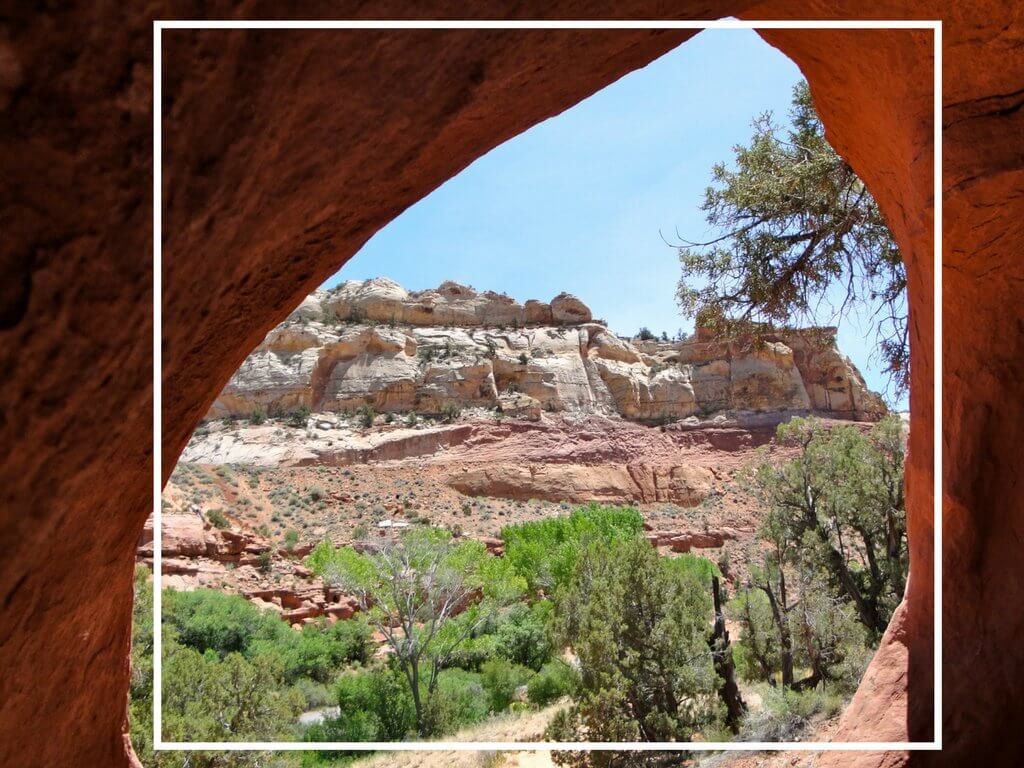
A fun way to make your photos more artistic is to frame them with something found in the shot’s environment. A window, door frame, archway, or natural opening is perfect for this type of composition.
In the example below, you can see how the use of a natural stone peephole beautifully frames the colorful desert landscape beyond it. If you need further examples of using natural elements for framing, you can browse some examples here.
8. Filling the Frame
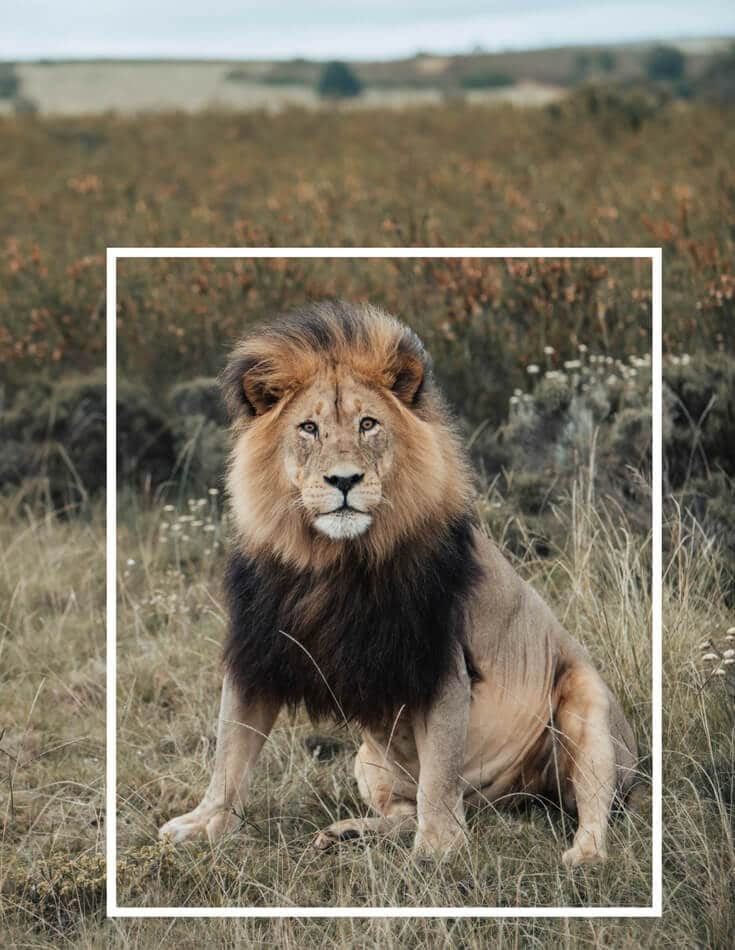
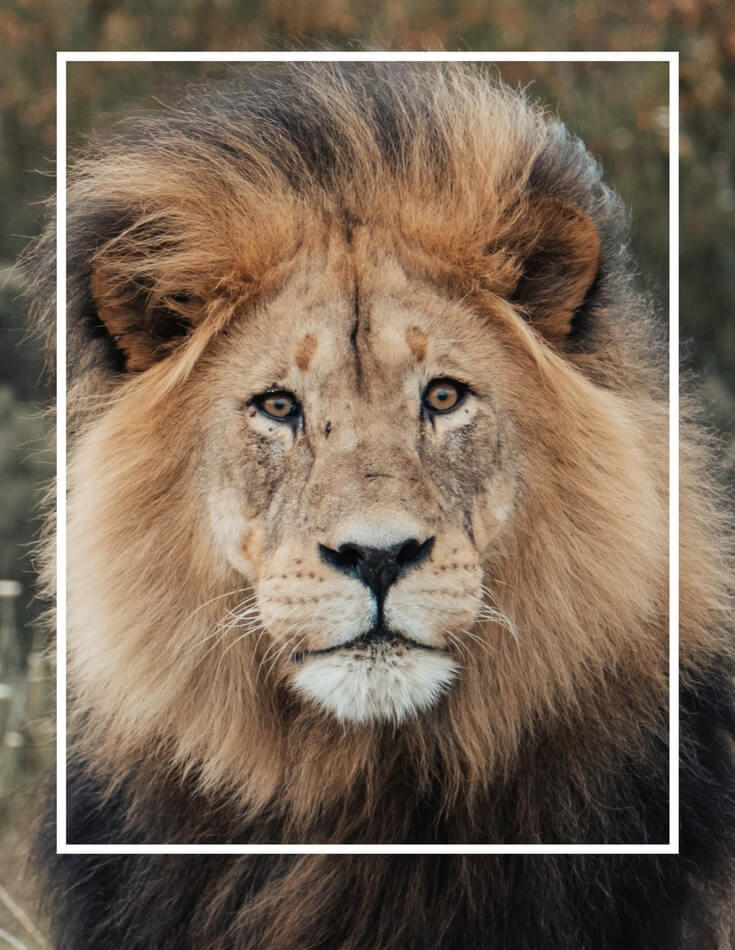
Another way to make your images more compelling is by filling the frame. This means you want your subject to be a significant portion of your final photograph. Tightening the frame allows your audience to connect with your subject.
In the example below, you can see how the first photo of the lion is just… meh. It’s alright, but certainly nothing to write home about. In the second photo, you can see how zooming in on the lion’s face makes the picture much more engaging. As a viewer, you’re eye-to-eye with a subject that appears to be staring directly at you.
9. Light
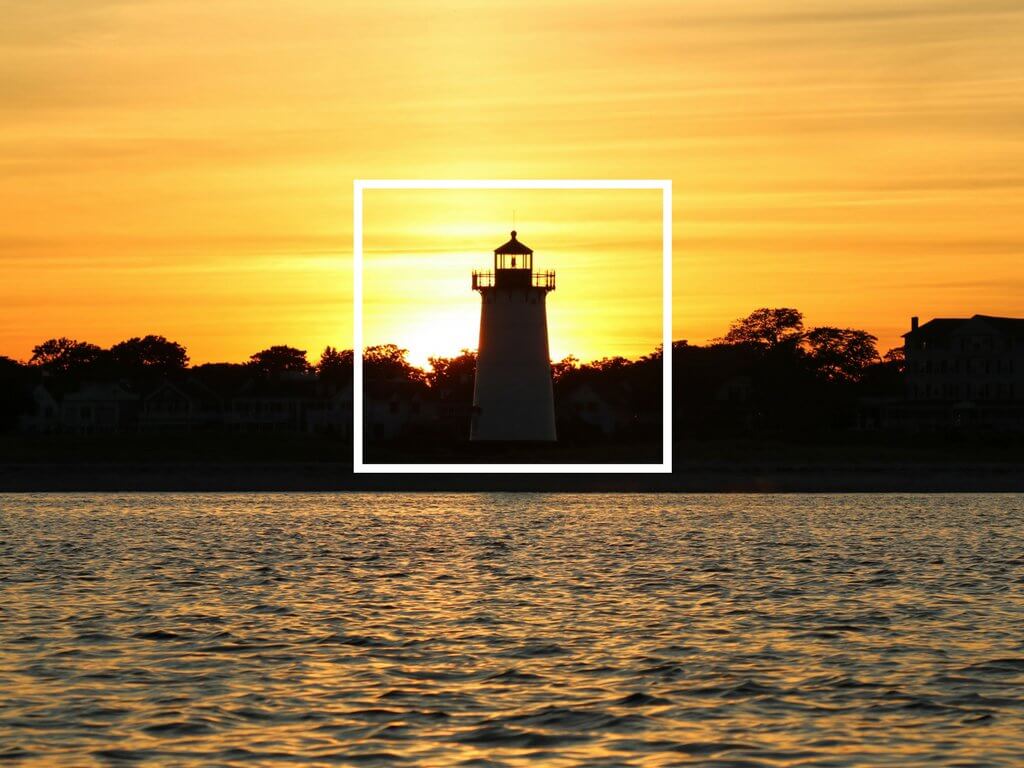
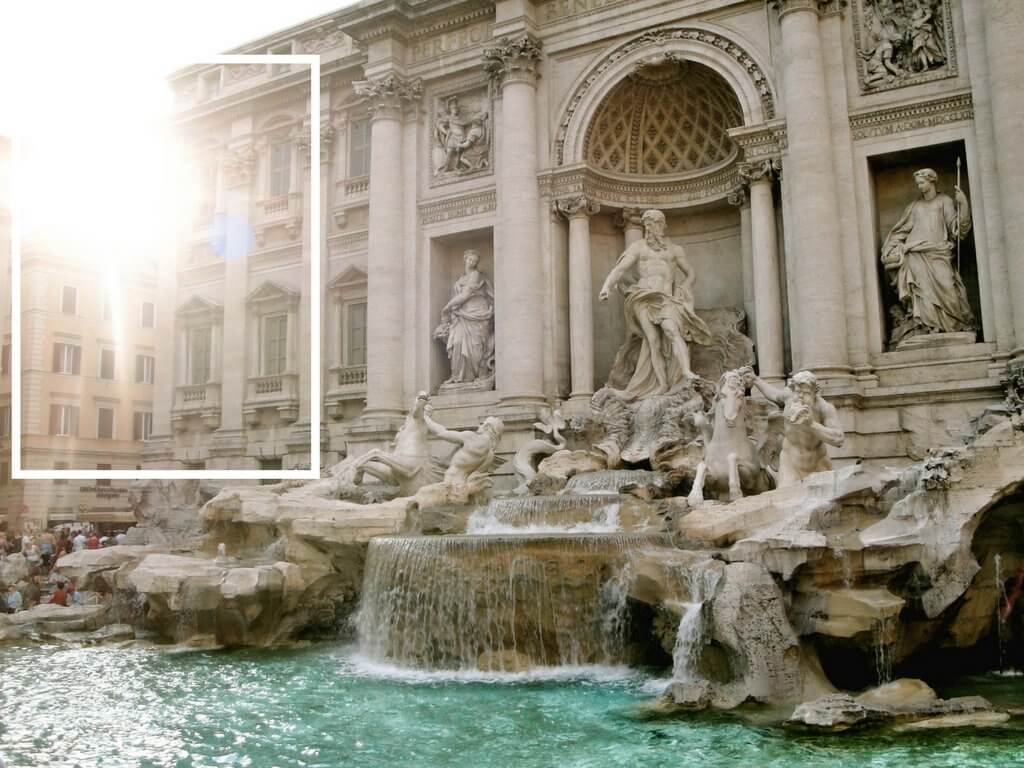
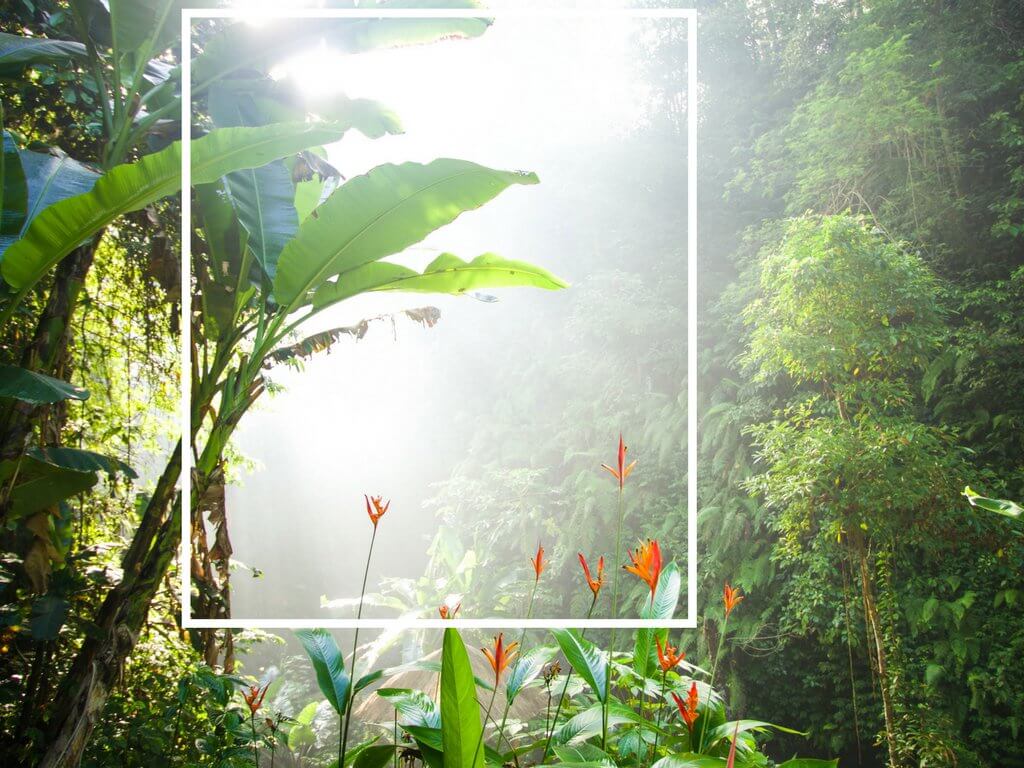
There are all kinds of ways to use light in your photographs. It can draw attention to your subject, enhance your landscapes, and even become the subject itself.
In the first example, you can see how centering the sun behind the lighthouse draws your eye to that as the photo’s subject. In the second example, using the rays of light peeking between buildings makes the Trevi Fountain appear to be a heavenly oasis instead of a typical tourist trap. And in the third example, using the light filtering through the forest’s mist makes the foreground vegetation pop against the muted background colors.
10. Unexpected Angles
And finally, go for interesting and unexpected angles. We all see the world at eye level, so shooting from a different perspective is far more interesting for your viewer.
Climb high to get a view from up above. Or lie on the ground so your audience becomes immersed in the landscape. Don’t be afraid to get dirty! The difference between good photos and great photos is what you’re willing to do to get the shot.
In the example below, you can see the photo was shot by laying in the middle of the road. (Not advisable unless you have a spotter to warn you of oncoming traffic!) By shooting from ground level, the viewer can see the texture of the road, which makes them feel as if they’re right there in the frame.
Pop quiz – what other composition technique is this photo an example of?

By using these ten simple techniques, you can enhance your travel photography composition so it vividly tells the story of your adventures. After all, half the fun of globe-trotting is sharing the world with others when you return!
So grab your camera, and start snapping away!
You May Also Like:
» 3 Simple Basics of How to Use a DSLR Camera
» Absolute Must-Have Photo Apps
» The Ultimate Travel Photography Gift Guide

Hi Stephanie, this is the best post I have ever read that teaches you how to take great photos in a very easy to understand way. Wish I had read something like it when I first started out blogging. Look forward to reading more of your posts. Your photos are stunning!
Wow, thank you so much for saying so! I’m thrilled to hear you found the information helpful! I have a few articles about blogging as well that you may find useful (sites, tools, best practices, etc). Good luck in your blogging journey, your site looks fantastic! 🙂
My site is all over the place at the moment. I’m in the process of trying to make things better which is taking much longer than I’d like. I’ve read some of your blogging tips now and wow, I’m impressed! You really do offer some great tips. You’re on your way to being one of the top travel bloggers with content like this. All the best!
Everything always takes a little bit longer than anticipated when it comes to running a website. Lol. But I’m sure it will be absolutely incredible once you finish! I wish you all the luck in the world! 🙂