


It’s all fun and games until someone gets robbed. Or sick. Or worse.
Travel gives you plenty of opportunities for fun and adventure, but just as many for getting into trouble. Would-be criminals prey on the wide-eyed wonder of visitors.
One more tourist, one more scam.
But that doesn’t have to be you! So fasten your seatbelt low and tight across your lap, and read on for ten travel safety tips that will protect you on your next vacation.
1. Don’t Look Like A Tourist
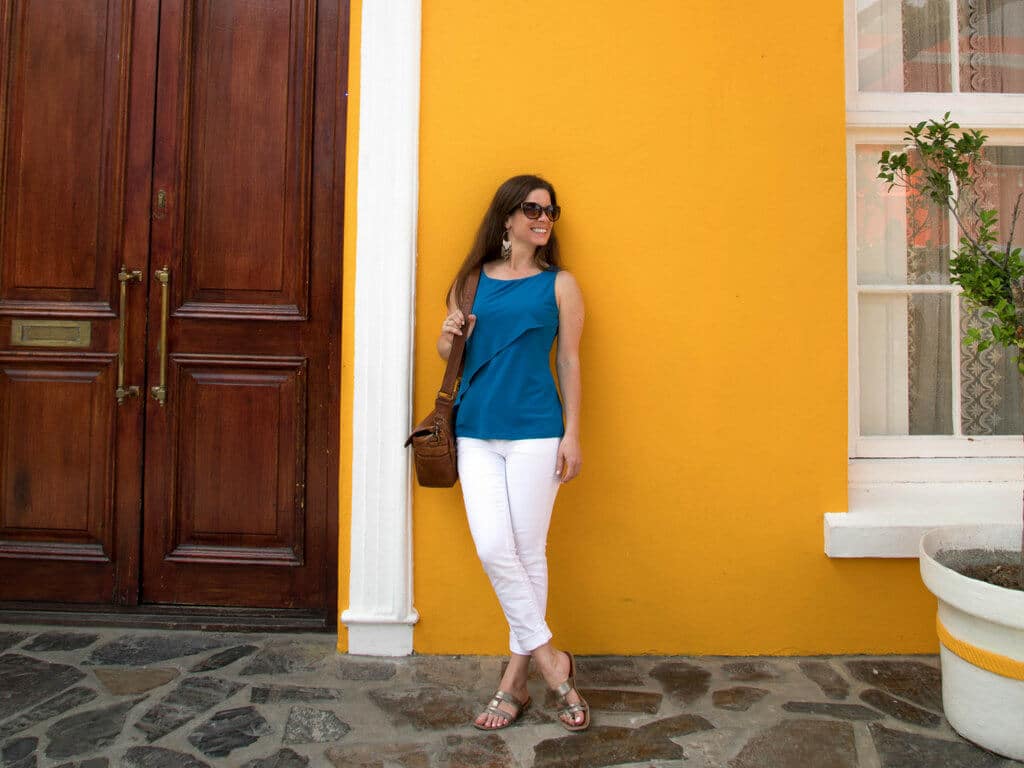
One of the fastest ways to become a target is to look and act like you don’t belong. And while your sun hat and Hawaiian shirt may seem fashion-forward, they also scream “tourist” to scammers and criminals everywhere.
Instead, wear attire that’s appropriate for areas you visit. This not only prevents you from looking out of place, but it can also be a sign of respect for the local culture. For instance, women visiting conservative countries should make sure their shoulders, cleavage, and knees are covered at all times.
Expert Tip:
Carry a light scarf

Similarly, you want to avoid looking like a gawking sightseer. Walk with purpose and act like you’ve been there before. Doing so will signal scammers to find an easier target.

2. Be Aware of Your Surroundings
Another way to avoid becoming a target is to be aware of your surroundings. Keep an eye on the people around you, avoid areas that could be unsafe, and don’t fall for common scams like “free” roses and criminals running off with your camera when they ask if you want a picture.
Being aware of your surroundings can also save you in the event of an attack. Whenever you enter a building or crowded area, always know where your exits are in case you need to flee. When seconds count, this awareness can mean the difference between life and death.
3. Tell Others Where You Are
To ensure you don’t end up on an episode of Dateline, give friends or family a rough itinerary of where you’ll be. Then, as you trek around the globe, check-in regularly so they know everything is ok. That way if they haven’t heard from you in a few days they can notify the proper authorities.
This also has the added benefit of allowing your loved ones to breathe a sigh of relief (because if they’re anything like mine, they think you’ll be killed by a terrorist or rare tropical disease the second you set foot outside the country).
4. Don’t Post On Social Media
It’s tempting to post glamorous photos of you in exotic locations as you travel. After all, one of the perks of seeing the world is getting to share it with your friends (and maybe make them a little jealous).
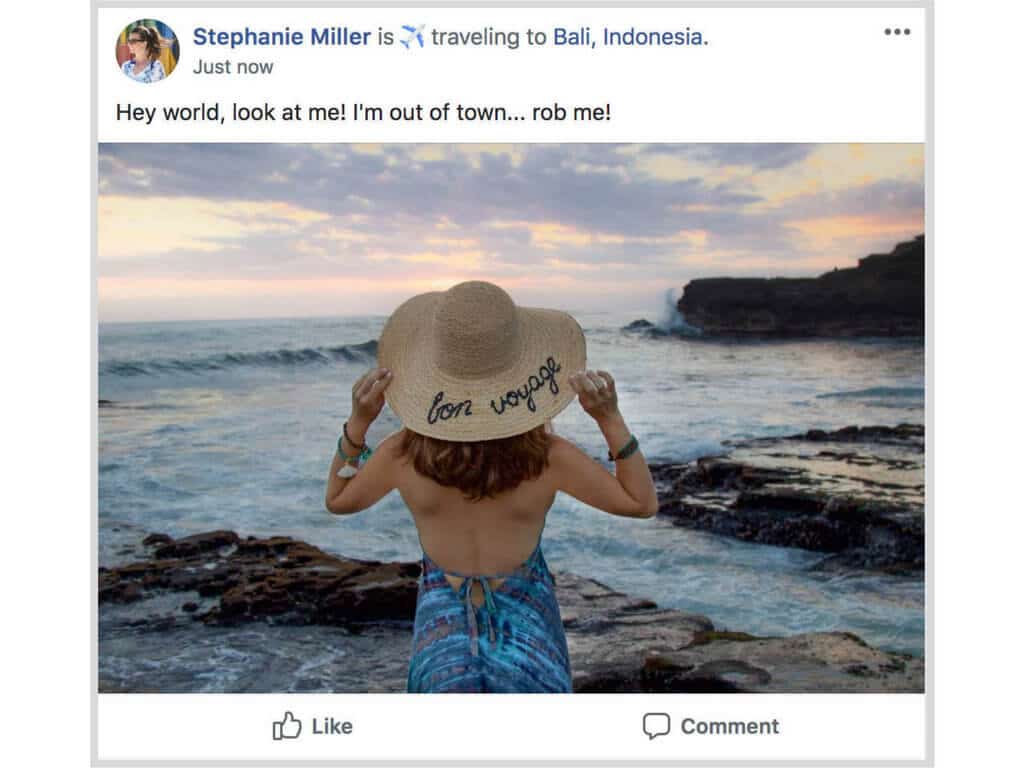
But posting your photos is an invitation for robbers to pay an unwanted visit to your home while you’re away. A time-stamped notification reflecting you’re miles away rolls out the welcome wagon to anyone paying attention.
Or for those traveling solo, posting where you are in real-time could notify those will ill intentions of your whereabouts. To stay safe, wait to post photos of a location until you’ve moved on to the next.
Patience is a virtue, so fight your urge for instant gratification and stay safe!
5. Check-In With The State Department
As you do research on your destination, check-in with the State Department. By doing so, you can find out about current threats, medical considerations, visa requirements, and more!
And, while the State Department may be like an overprotective mother who always imagines the worst-case scenario, its advice can be helpful as you travel to new and distant locales.
6. Register With Your Embassy
The United States offers the Smart Traveler Enrollment Program (or STEP) for travelers venturing to other countries. Once enrolled, you receive notifications about travel alerts, family emergencies, and gives your loved ones a way to contact you while you’re abroad.
It’s free, easy, and a great way to give yourself a safety net when leaping into the great unknown.
And, if you’re from Canada, don’t worry! The Canadian government offers a similar program called the Registration of Canadians Abroad which features similar benefits.
7. Keep Valuables Close & Locked Up
In order to thwart pickpockets, wear your purse in the front and pretend your back pockets don’t exist. I learned this the hard way on my first trip abroad when a young thief had her hands in my companion’s backpack pocket. She silently walked behind us, stashing the backpack’s contents in her jeans as she went.
To ensure the same doesn’t happen to you, use a bag that isn’t easily accessible and wear it in front. That way you can keep an eye on your belongings and thieves will look elsewhere.
In addition to keeping tabs on your valuables, tether them when you’re in transit. Train baggage is especially vulnerable when travelers need a little shut-eye. An easy solution is to simply tether your bag to the train railing using a locking cable
8. Money, Money, Money!
Finances on the road don’t have to be complicated. First and foremost, tell your bank where you’re headed and when. This ensures your cards will work while you’re away.
Next, have local currency both in your wallet as well as hidden for emergencies. Hiding places can be anything from an empty lip balm tube to the hollow handle of a hairbrush. You can even get scarves with secret pockets
Be careful where you swipe your cards. If an ATM or payment terminal looks like it’s been tampered with, err on the side of caution and use cash instead.
And finally, utilize an RFID-blocking passport holder and wallet to keep identity thieves from stealing your personal and financial information.
9. Get Travel Insurance
There are a number of reasons to have travel insurance: providing medical coverage in case you become ill or injured while away, offering protection for your belongings should they be lost, damaged, or stolen, and reimbursing expenses should you be unable to travel due to any number of reasons.
The small price you pay for coverage pales in comparison to the protection it offers. For these reasons and more, I never leave home without it.
10. Watch What You Eat & Drink
In addition to protecting your money and belongings, it’s important to look after your health as well.
Stay hydrated with clean water (and use a purifying filtration water bottle
As an added precaution, take a prebiotic pastille such as Bimuno Travelaid before and during your trip. Doing so will boost your good gut bugs while keeping the bad ones at bay so you won’t end up with traveler’s tummy. Because nothing ends a vacation quicker than an upset stomach!
Finally, be wary of is over-indulging. A highlight of any trip is enjoying a few delicious cocktails. However, by drinking too much you make yourself vulnerable. A drunken tourist is much easier to assault or rob than one that has their wits about them. So stay sharp!
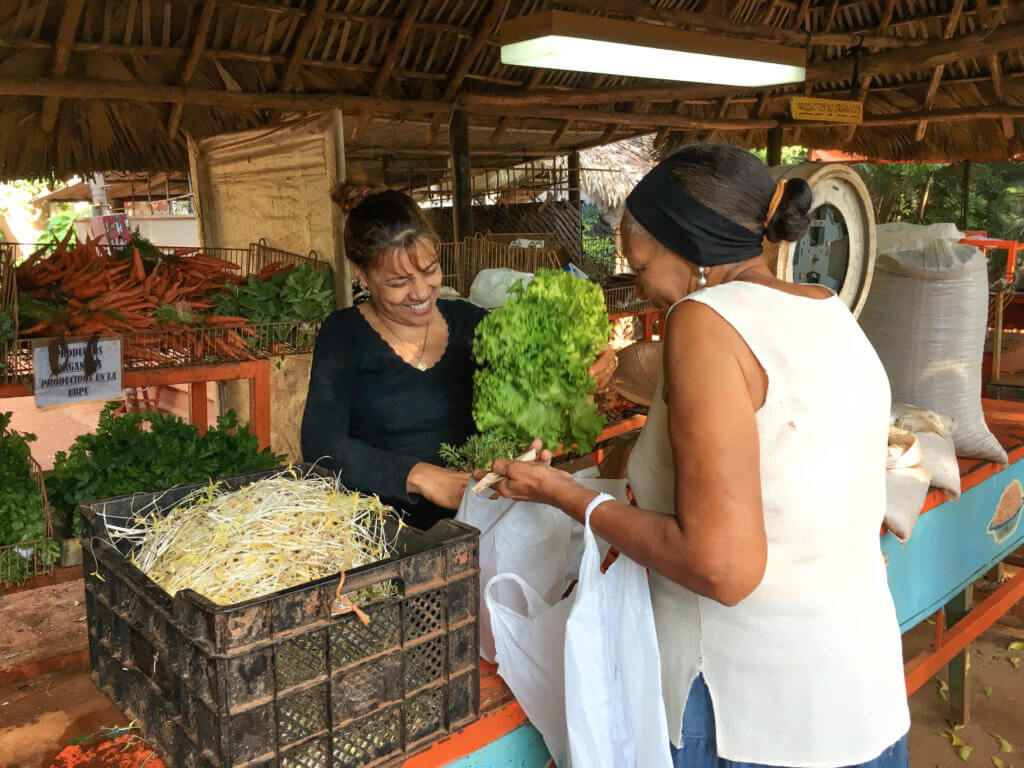
And above all, the best travel safety tip I can give you is to trust your instincts. That little voice that whispers when something just doesn’t feel right. More often than not, your instincts will let you know if you’re walking into trouble. All you have to do is listen.
What are some of your best travel safety tips? Comment below, I’d love to hear them!
You May Also Like:
» 10 Reasons To Have Travel Insurance
» 6 Tips On How To Survive An Attack
» Why You Should Travel In Spite Of Terrorism


Leave a Reply