

If you’re like me, you love animals. They’re cuddly, cute, and great for photo ops to brag about with friends when you get home. Who could blame you for wanting to get up close and personal with our furry (and not so furry) friends? And the travel industry has numerous opportunities to do just that.
But, behind the scenes, there’s a dark side to those whimsical pictures you see on the internet. When excitement overshadows suffering, which remains long after you return home. So, it’s important to understand how to avoid animal abuse in tourism so you aren’t part of the problem.
Before I learned the following, I had a lot of these experiences on my own bucket list.
Scratch. That.
I never want to do something for my own enjoyment to the detriment of another, and I’m willing to bet you don’t either. So, I’d like to take a moment to highlight a few activities you may want to avoid (so you aren’t kicking yourself later for not realizing the harm they cause). It may not be fun to hear, but I think it’s vital for responsible travelers to understand how we’re impacting the environments we visit.
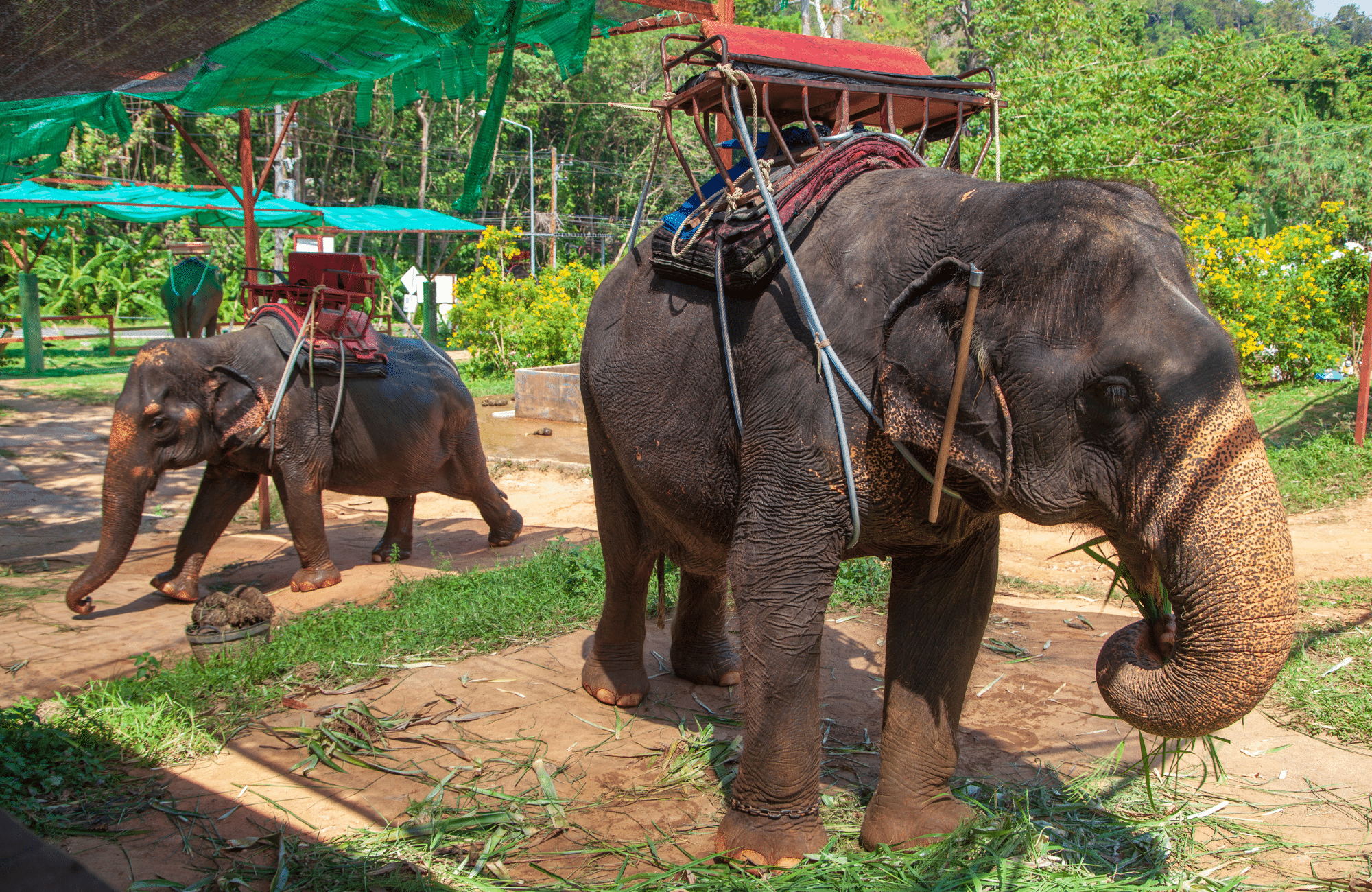
ELEPHANT RIDES
This was #1 on my bucket list. I’ve always loved these gentle giants, so the idea of riding one through a rainforest seemed like a dream come true. I didn’t realize what a nightmare it is for the elephants.
First, the baby elephants are ripped away from their mothers and then tortured (being beaten with bullhooks and bamboo rods, starved, confined, and prevented from sleeping) until their spirit is broken and they are sufficiently submissive to their captors. This is known as “the crush” or the practice of “pajan”. Then, they spend the rest of their lives deprived of social interaction and forced to perform or give rides to snap-happy tourists (which often leads to permanent spinal injury and painful arthritis).
So, how can you tell if you’re supporting a harmful practice and avoid contributing to animal abuse in your travels? A good rule of thumb is to avoid establishments that engage in any of the following:
- Elephants being kept in pens or cages
- Tourists being given elephant rides
- Elephants performing in any way (doing tricks, painting, etc)
- Manhouts (elephant handlers) using bullhooks or rods as a means of control
- Elephants being forced to do anything they don’t want to do
- Large tour groups (mine had 7 with a maximum of 20, other “sanctuaries” have groups of 60+)
You can still get close to these playful pachyderms by visiting true sanctuaries such as The Lake Phuket Elephant Home (which is where I went), the Phuket Elephant Sanctuary, or the Elephant Sanctuary in Tennessee. There, you can learn more about these beautiful creatures in a loving environment.
How’s that for building a memory!?
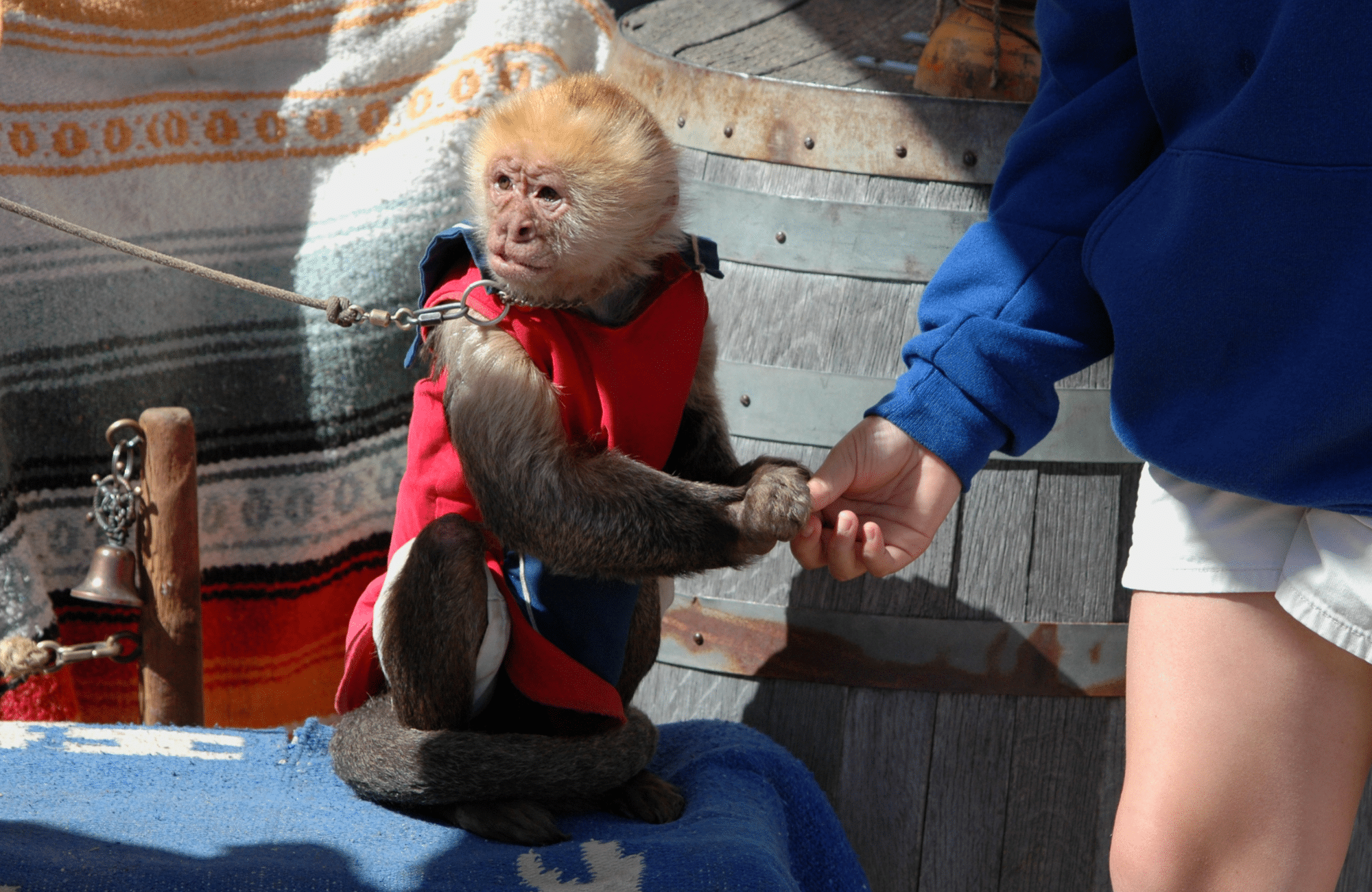
MONKEYING AROUND
I’ll be the first to admit that a monkey wearing a little suit while riding a miniature bicycle is pretty much the most adorable thing ever. But, now that I know what they endure during their training, it’s no longer cute. Mothers (who are naturally protective and nurturing of their young) have to sit back in chains and watch as their babies are forced to perform dangerous (and often fatal) feats.
They are beaten, starved, and broken down until they follow each command blindly.
These intelligent and inquisitive creatures suffer terrible psychological stress and often go mad (circling their barren cages, biting at their limbs, and pulling out their hair). I won’t even get into some of the gut-wrenching practices when they’re used as cuisine.
No. Just, no.
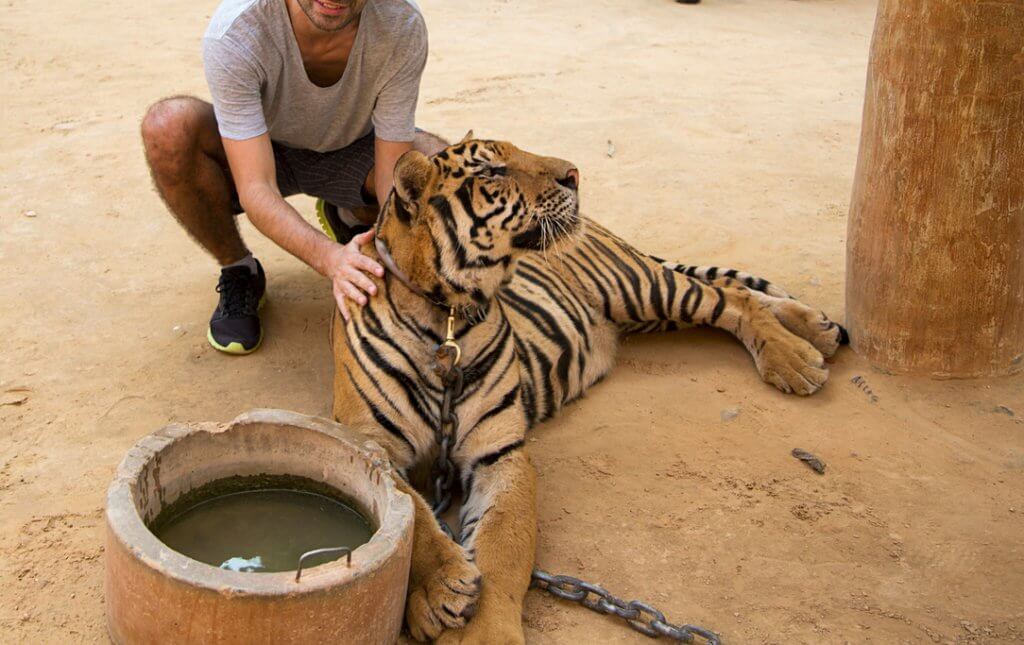
TIGER PHOTO OPS
Yet another adventure that was high on my bucket list until I learned the ugly truth behind these captivating photos. We’ve all seen pictures of people snuggling up to seemingly timid, sunbathing tigers.
Spoiler alert – their natural inclination is not to cozy up to humans (sorry, Disney).
Tiger cubs are separated from their mothers as young as two to three weeks of age and used as props in tourist photos. Because visitors often mishandle them, cubs suffer broken limbs and other injuries. They are kept in crowded, tiny cages (often with little to no stimulation) and many show signs of psychological stress such as obsessive pacing and biting at their tails. And when they step out of line (i.e. display natural behavior), they’re routinely starved as punishment.
One of the most well-known places to hang out with these big cats was Thailand’s Tiger Temple. Run by monks, this facility offered patrons the opportunity to get close to tigers of all ages. Visitors could pet them, play with them, and snap those famous selfies we’ve all seen. However, it was shut down indefinitely in June 2016 after accounts of abuse and trading tiger parts on the black market surfaced. This may have been the most publicized facility, but it’s by no means unique.
BULLFIGHTS & RUNNING OF THE BULLS
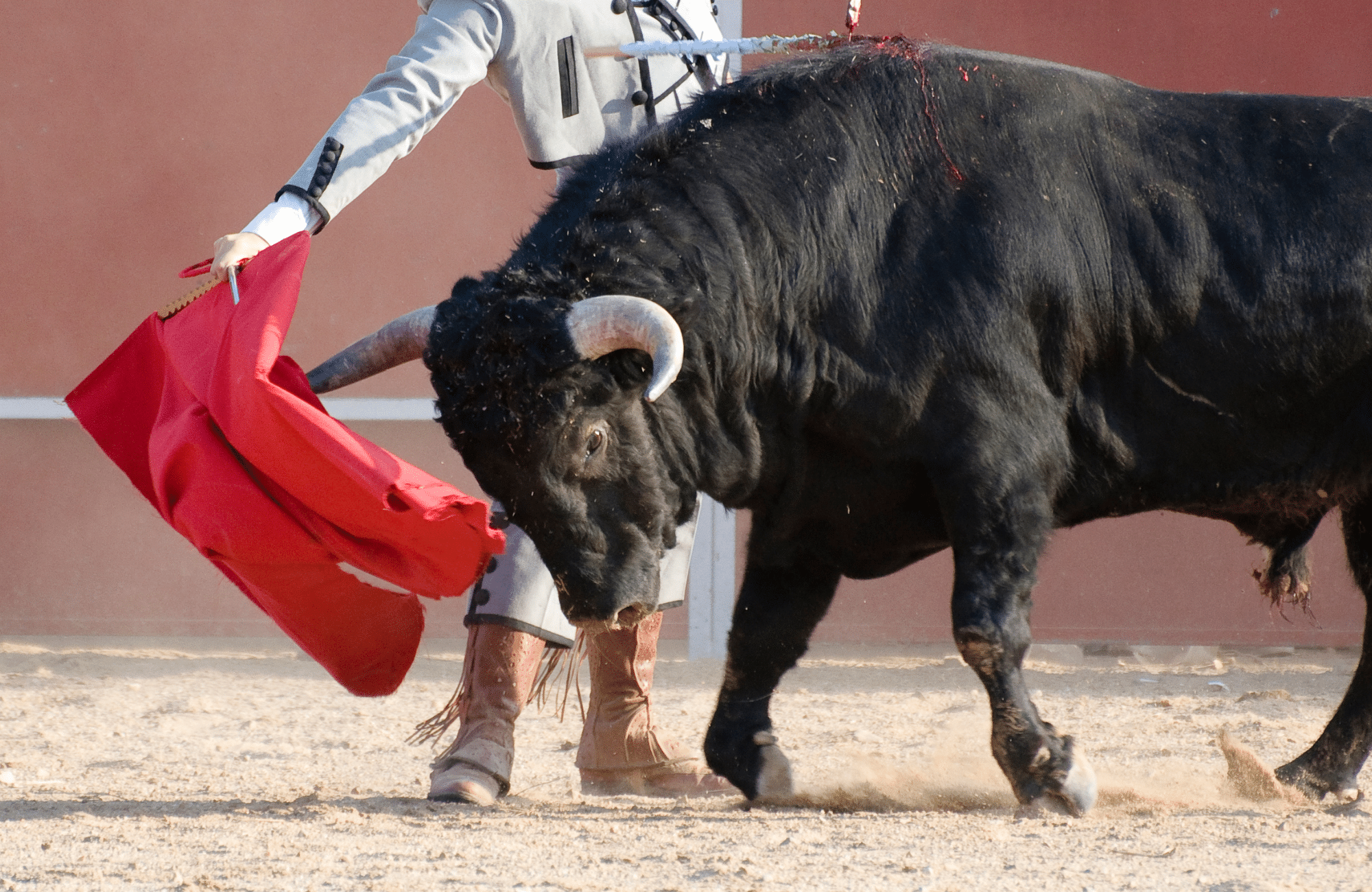
There’s no mystery here – bullfights are cruel. However, many people aren’t aware that the Running of the Bulls in Pamplona is equally horrible. This race through the streets was another experience on my bucket list until I was informed of what takes place during these celebrations.
The terrified creatures are kept in cramped, dark quarters until they are shocked with electric prods to make them run through the cobblestone streets. Because the ground is uneven, they often fall and are injured as they make their way to the end. The bulls are then herded into pens until it’s their turn to be killed in a bullfight. Before the fight, the animals are blinded with petroleum jelly and often starved in an effort to weaken them. Then, they have metal rods shoved into their necks and shoulders to further weaken them and prevent easy movement.
Now the real horror begins when the banderilleros impale the bull with brightly colored spears. They do this to make the bull lose as much blood as possible. The matador then provokes the bull into one final charge to deliver a death blow. However, they’re often unsuccessful, leaving the bull conscious while their ears and tail are cut off as trophies.
It’s graphic. It’s agonizing. And it’s not something any ethical traveler would want to participate in.
WILDLIFE SELFIES
I can’t believe this doesn’t go without saying, but please, please, please don’t harass wildlife for the perfect selfie.
There have been numerous accounts in recent years of people inadvertently killing animals when trying to get pictures with them. There’s the woman who killed a swan when she pulled it out of a lake for a photo op. The man who tore a shark from the ocean to take a picture with it. And one of the most tragic – the mob of tourists who dragged a rare baby La Plata dolphin from the ocean for selfies. It led to the dolphin’s death and further endangered the species.
Do the world a favor – don’t be that guy.
SWIMMING WITH DOLPHINS
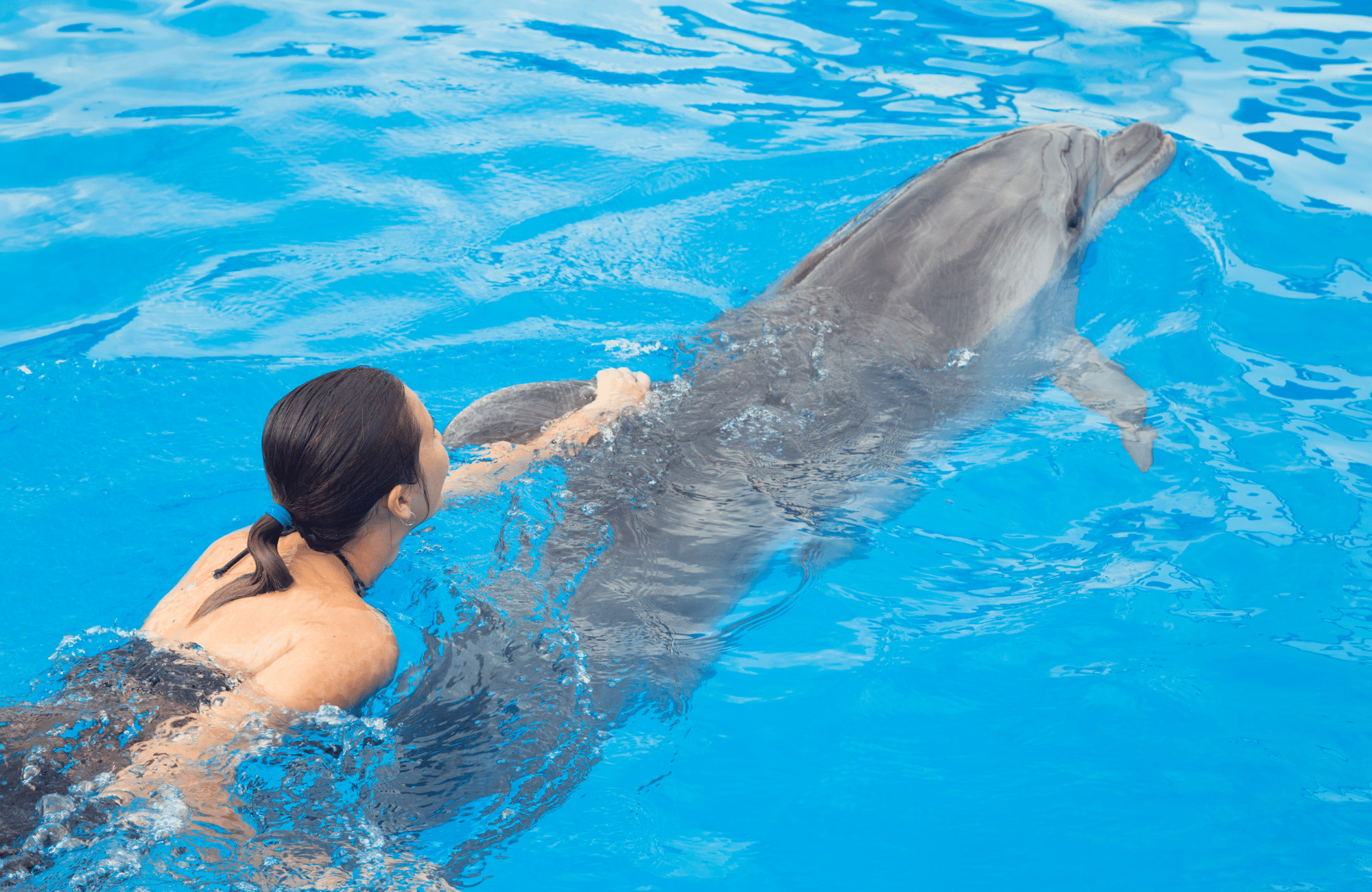
Don’t let their smiling faces fool you, life for dolphins in any form of captivity is anything but happy. These highly intelligent, social creatures swim up to 100 miles a day in the wild. During these treks, they hunt, play, and interact with each other.
However, in captivity, they’re kept in small pens or tanks where they’re unable to behave naturally. This confinement often leads to disease and premature death. These beautiful creatures are also frequently taken from the wild during hunts. The hunts separate entire pods and can lead to injury and death for the dolphins involved. Once captured, the young are forced to learn tricks and swim with tourists for our amusement.
Give dolphins a reason to smile, and don’t support these cruel practices.
There are countless other instances of animal abuse in the tourism industry. To avoid animal cruelty, just be aware of the types of activities you’re supporting with your travel dollars.
Is the animal living in a cramped environment with little to no natural stimulation? Are they being forced to perform tricks? Is the venue focused more on revenue than conservation and education?
Asking yourself these simple questions will help you avoid animal abuse in tourism as you plan your next adventure.
You May Also Like:
» The Astounding Ways Travel Changes You
» The 100 Things on My Bucket List
» Top 10 Essential Sites for Travel Deals



This is really fantastic advice. It’s so easy to fall in love with friendly animals, but so hard to know if they even want to be there or that they’re being treated with love. Thanks for this!
Absolutely! I didn’t know the harm behind many of these activities until I did a little research. Just something to be mindful of as we travel so we aren’t contributing to abusive situations that seem like anything but. Thanks for reading! 🙂
I learned so much from this blog! Thank you.