

There’s a reason why the United States is referred to as America, the Beautiful. Boasting 59 national parks (and hundreds of other state parks), it has some of the most striking and diverse landscapes on Earth.
With so much to see, where do you even start?
I suggest with 10 of the best U.S. national parks in the country that are sure to leave you completely awe-struck and amazed.
Yellowstone National Park
It only makes sense that the first mentioned in this article be the first U.S. national park in existence – Yellowstone National Park.
Founded in 1872, the park stretches for nearly 3,500 square miles (2.2 million acres) on top of a volcanic hot spot. Its rugged wilderness and geological diversity are unlike anything else in the country. There are deep canyons, mountain rivers, expansive lakes, and lush forests that many wildlife call home. The park’s residents include bison, bear, wolves, antelope, elk, and a myriad of other creatures.
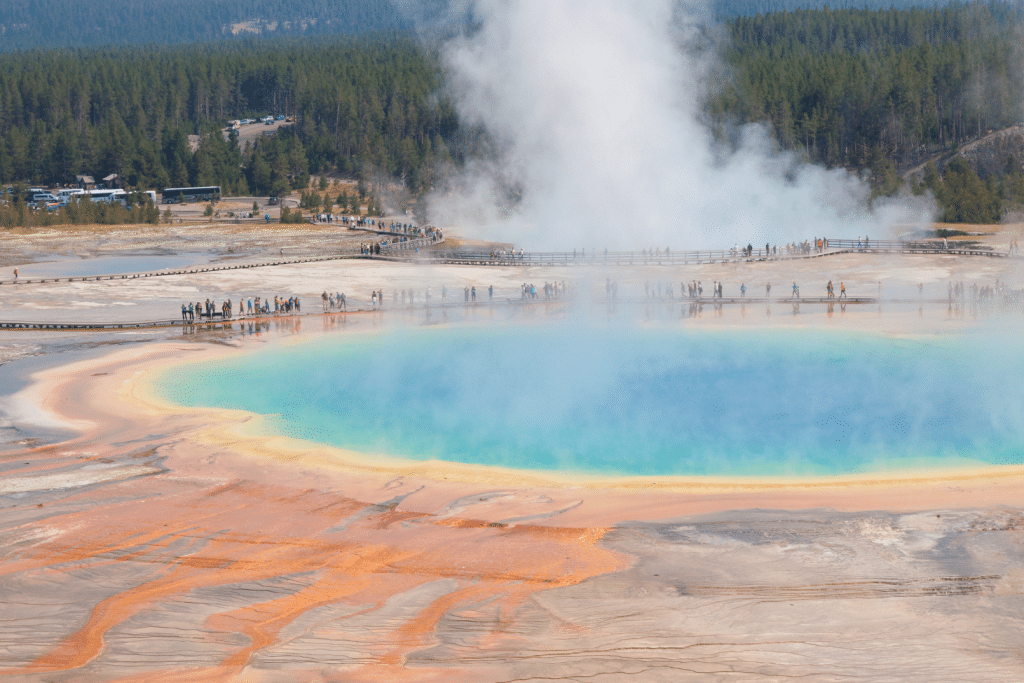
But, what really makes Yellowstone National Park stand out are its geysers and hot springs.
Because it’s situated on a massive volcano, the park has over 10,000 hydrothermal features, including geysers, hot springs, mud pots, and fumaroles. The most famous geyser is Old Faithful, which predictably erupts every 60-110 minutes (with predicted times posted throughout the park). And, adjacent to it is the Old Faithful Inn. An impressive 7-story lodge built between 1903 and 1904, it’s the world’s largest log cabin structure (and a must-see when you visit the park!)
If you find the 4 million visitors a year a little crowded, try visiting Yellowstone National Park in the winter. The quiet stillness and powder white landscape is an experience you’ll never forget!
Location:
Mostly Wyoming, with parts in Montana and Idaho as well
Annual Visitors:
4,114,999 (2018)
Must-See:
• Old Faithful Geyser and Inn
• Grand Prismatic Spring
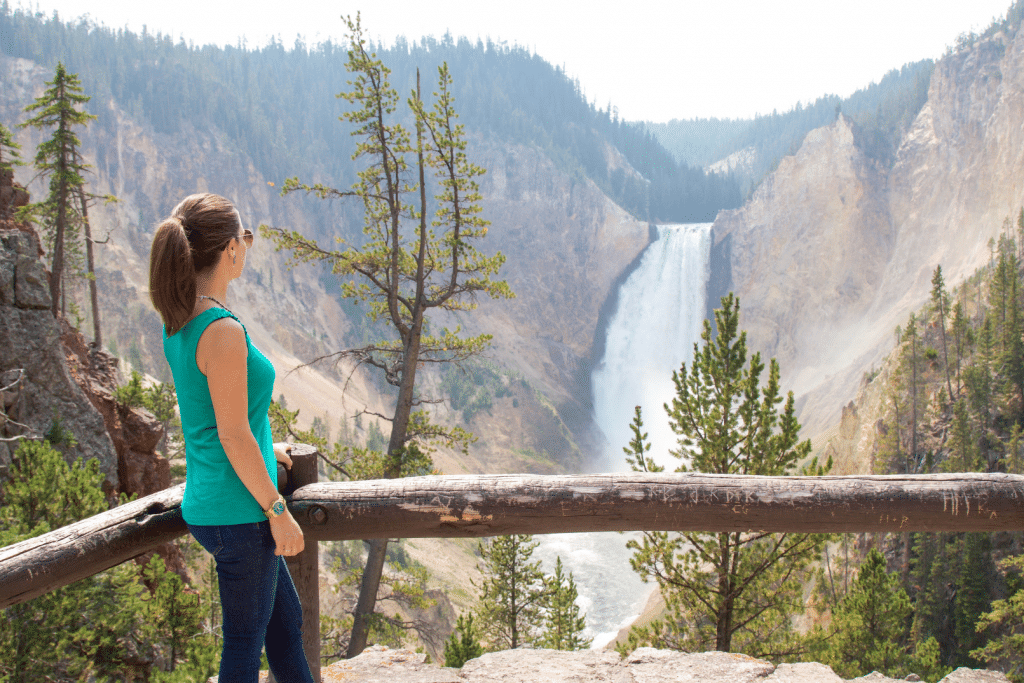
• Lower Falls
• Yellowstone Lake
• Mammoth Hot Springs
• Lower Geyser Basin
Cool Fact:
Yellowstone has over 290 waterfalls and over 500 active geysers (which is more than half of all the geysers in the entire world!)

Yosemite National Park
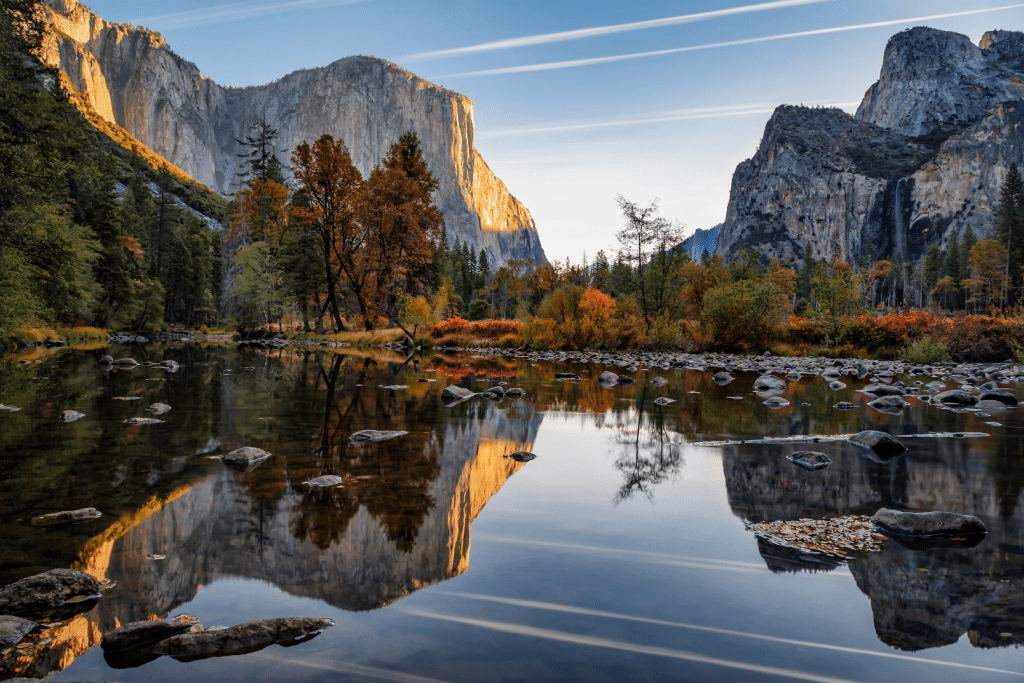
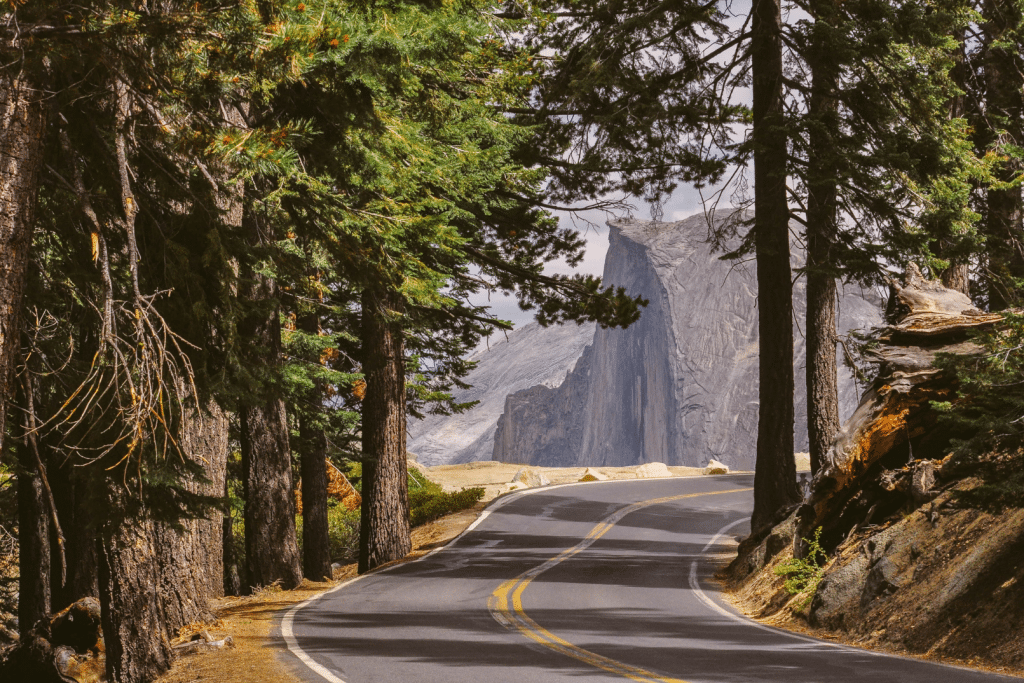
With granite walls towering 3,000 feet above the valley floor, Yosemite National Park has been an inspiration to visitors and artists since 1864. Its beauty was flawlessly captured by Ansel Adams, whose brilliant black and white photography can be found at the Ansel Adams Gallery in Yosemite Village (along with shops, restaurants, lodging, and more!)
One of the most stunning vistas can be found at Tunnel View, which offers sweeping views of Bridalveil Fall and the granite cliffs of El Capitan and Half Dome.
And, if the rock walls that draw professional climbers from all over the world doesn’t impress you, then Yosemite’s ancient sequoia trees will. How old is ancient, you ask? Over 3,000 years old! Think about that the next time you need a little perspective on your encroaching crow’s feet.
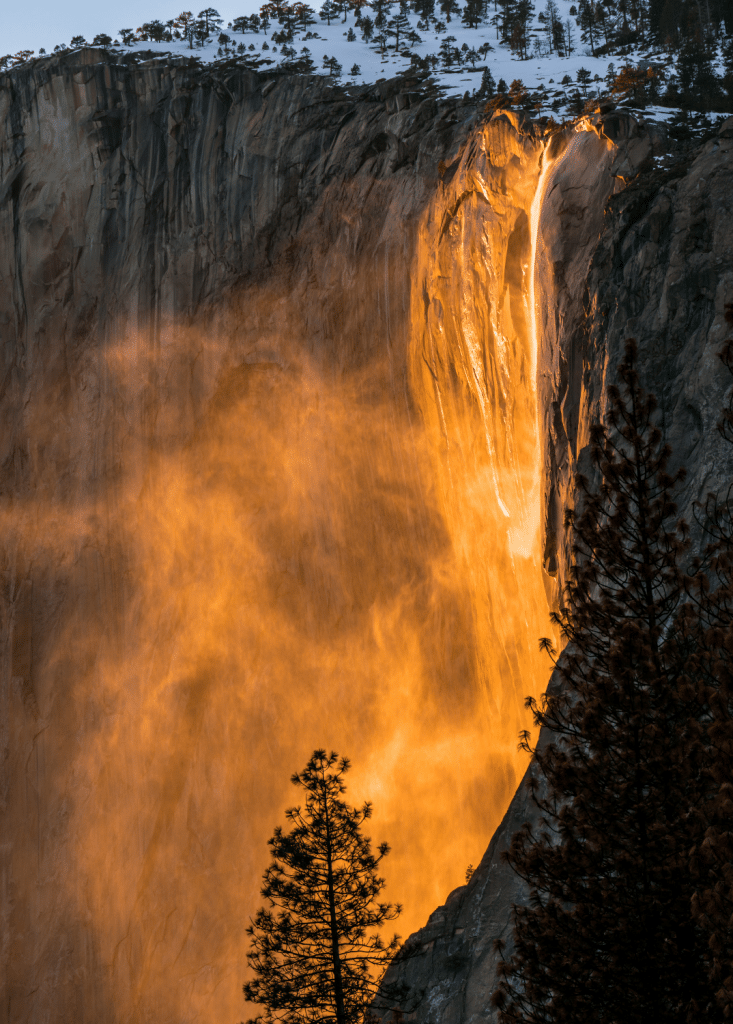
But, the most unique sight in Yosemite National Park is in late February and only happens when conditions are absolutely perfect. And, that is, the natural firefall at Horsetail Fall. If conditions are just right (meaning there is enough snowpack, temperatures are warm enough to melt it, and the sky is clear), for about 10 minutes at sunset, the waterfall glows bright orange and red, as if it were on fire. It’s an other-worldly sight that draws spectators and photographers from all over the world (and for good reason!)
Location:
Califoria’s Sierra Nevada mountains
Annual Visitors:
4,161,087 (2018)
Must-See:
• Half Dome
• El Capitan
• Bridalveil Falls
• John Muir Trail
• Tuolumne Meadows
• Cathedral Peak
Cool Fact:
At an impressive 2,425 feet, Yosemite Falls is one of the tallest on the planet! Surprisingly, it’s actually made up of three separate waterfalls – Upper Yosemite Fall, the middle cascades and Lower Yosemite Fall.
Grand Canyon National Park
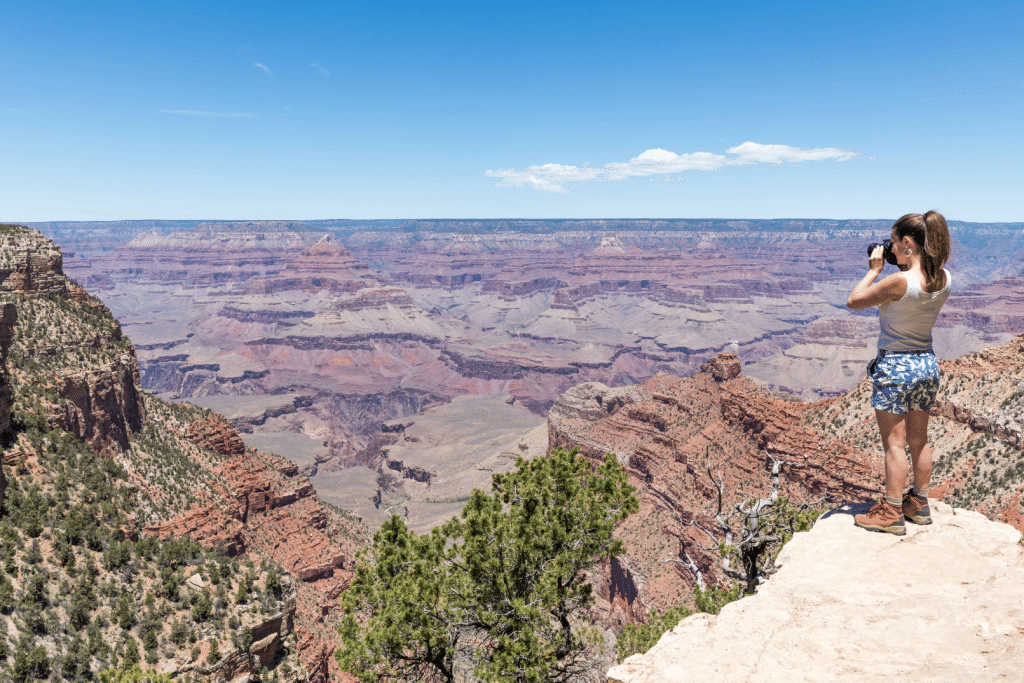
The Grand Canyon is a natural masterpiece millions of years in the making. Spanning 277 miles at a distance of 18 miles wide and a mile down, the enormity of the canyon cannot be overstated. So enormous, in fact, that it creates its own weather systems that vary greatly as you descend in elevation.
There are two main entrances to the canyon – the North Rim and the South Rim. And while they’re only 18 miles apart, it takes hours to drive between them.
The South Rim tends to be more popular, with the Grand Canyon Village, campgrounds, and a multitude of hiking trails offering the best views of the Colorado River below. In contrast, the North Rim is higher in elevation (meaning some areas are inaccessible in the winter and the river below is harder to see).
But while the South Rim may be more popular, the North Rim boasts something truly unique – the Grand Canyon Skywalk. It offers visitors the thrill of strolling across the 10-foot wide horseshoe-shaped glass bridge that juts out 70-feet from the Grand Canyon’s edge. It’s certainly not for the faint of heart!
Location:
Northwest corner of Arizona
Annual Visitors:
6,380,495 (2018)
Must-See:
• Visitor Center and Mather Point Overlook (South)
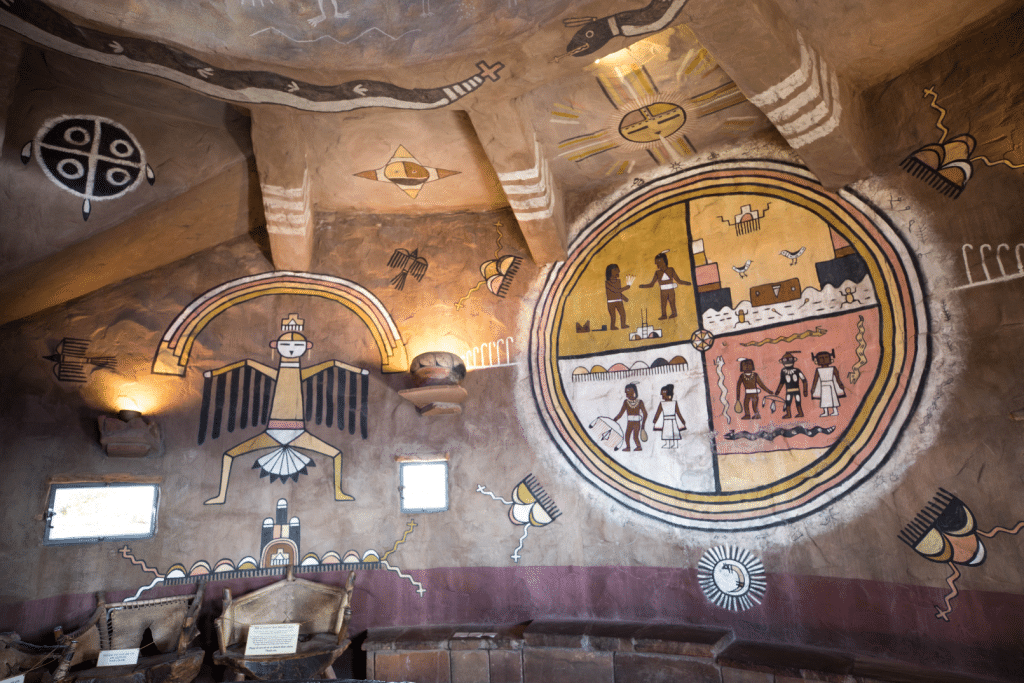
• Desert View Watchtower & Desert View Drive (South)
• Bright Angel Trail (South)
• The Rim Trail (South)
• Grand Canyon Skywalk (North)
• Havasu Falls
Cool Fact:
There is actually a town at the base of the canyon! Supai Village has a population of 208 and is inaccessible by road, making it the most remote community in the lower 48 states. So remote, in fact, that it’s the only place where mail is still delivered by pack mule!
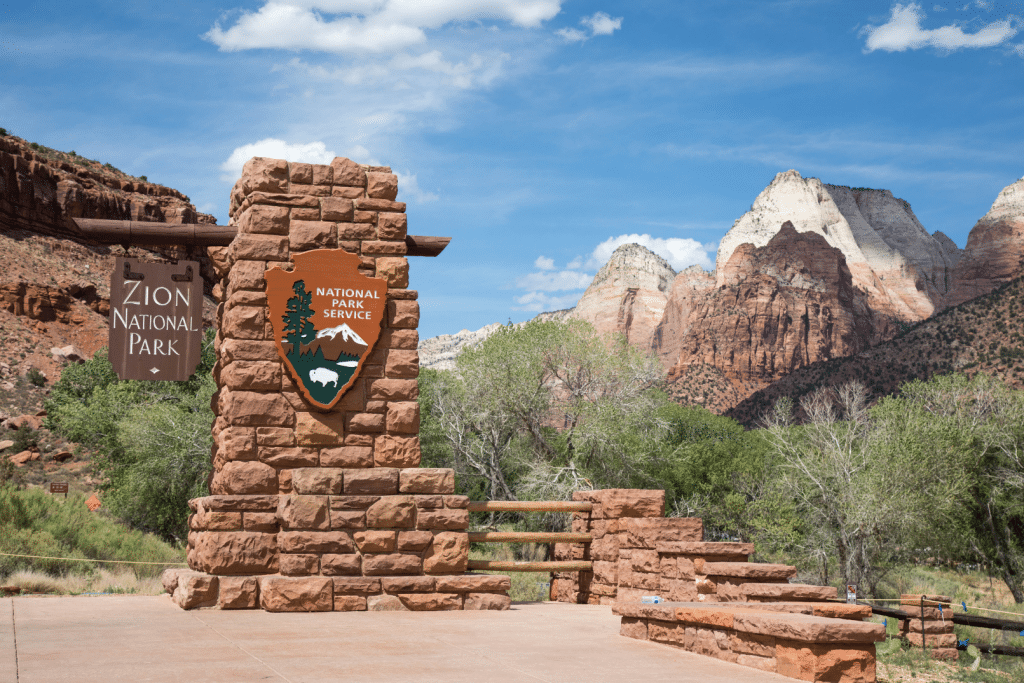
Zion National Park
Ah, Zion National Park. It literally feels like a little slice of heaven (and, in my opinion, is one of the best US National Parks out there!)
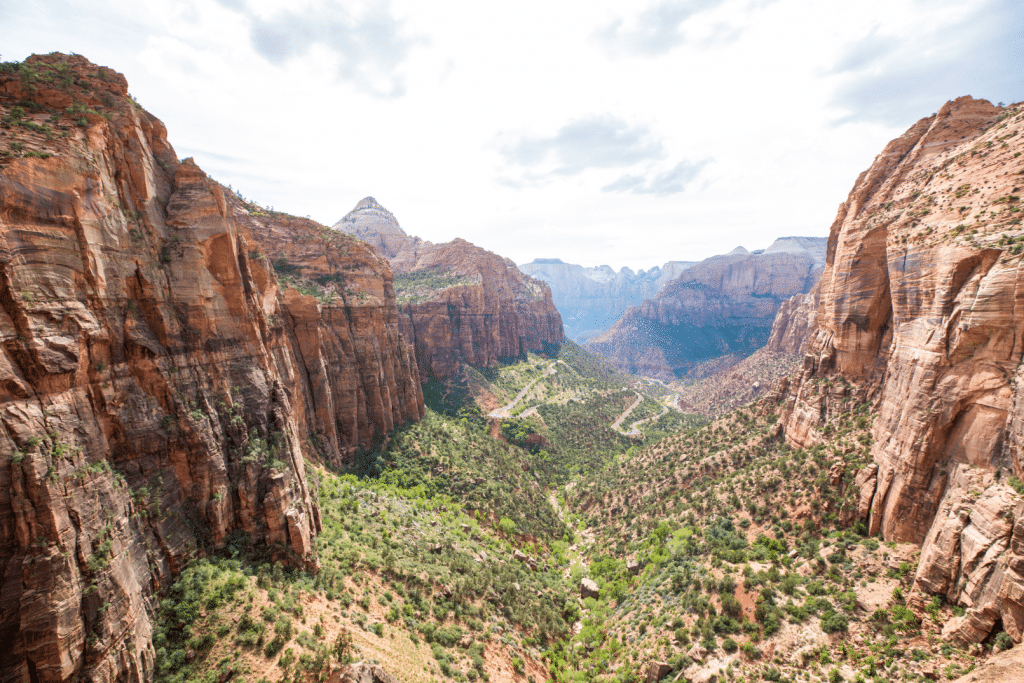
Rainbow colored rock formations rise above a lush valley floor, where the Virgin River winds its way through the park. Whether you’re taking in the views along the Zion Canyon Scenic Drive (one of the most jaw-dropping stretches of road in the west), or exploring the park on foot, Zion is sure to leave you spellbound.
One of the most noteworthy hikes in the park is through The Narrows. Considered to be one of the best slot canyon hikes in the world, the trail is basically the Virgin River. Because there’s no way to do the hike without getting wet (sometimes finding yourself waist-deep in the river) I recommend renting a dry suit. It will keep you warm and, bonus, allows you to easily float back down the river when you’re done (making the hike even more fun!)
Looking for a less adventurous outing? Then, check out the Canyon Overlook Trail just outside of the Zion-Mount Carmel Tunnel! It’s short, easy, and ends with an unparalleled view of the park from atop a cliff ledge.
Location:
Southwest Utah
Annual Visitors:
4,320,033 (2018)
Must-See:
• The Narrows
• Angel’s Landing Trail
• Canyon Overlook Trail
• Weeping Rock
• Lower Emerald Pools
• Checkerboard Mesa
Cool Fact:
With seven known deaths to date, the popular Angel’s Landing trail is considered one of the most dangerous hikes in the world. However, the 360-degree views of the valley below are an awe-inspiring reward for anyone willing to brave the sheer cliffs.
Bryce Canyon National Park
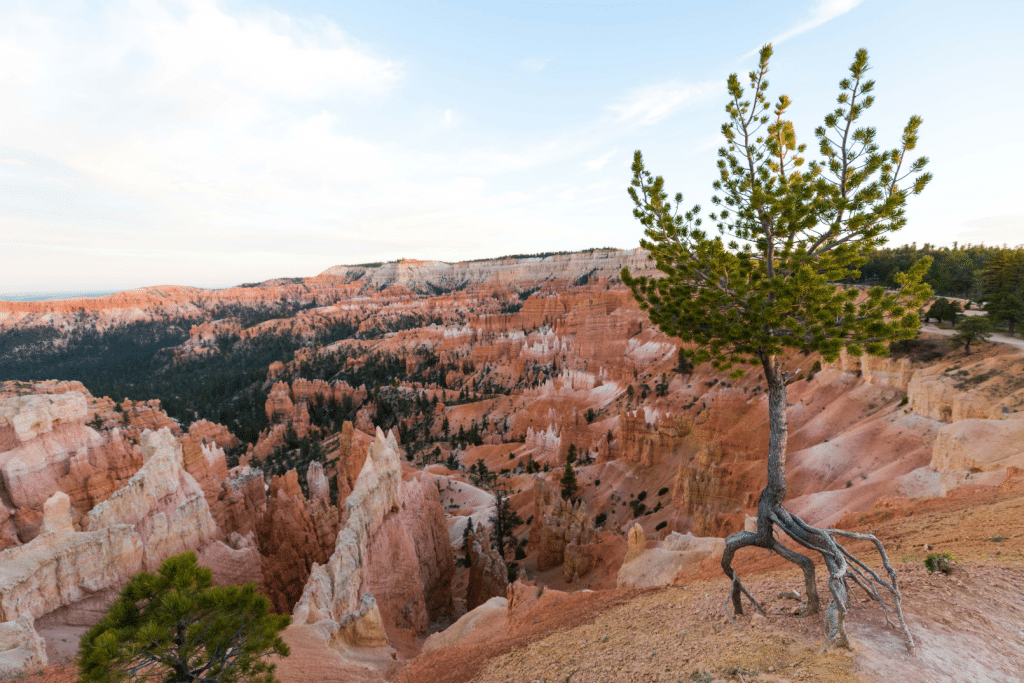
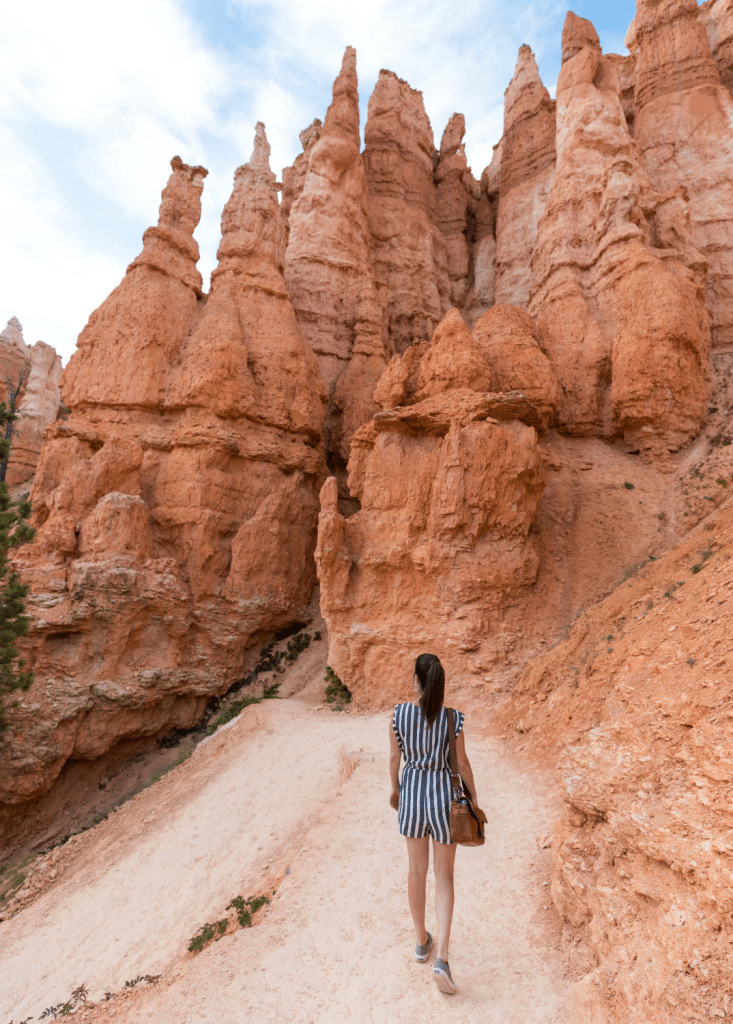
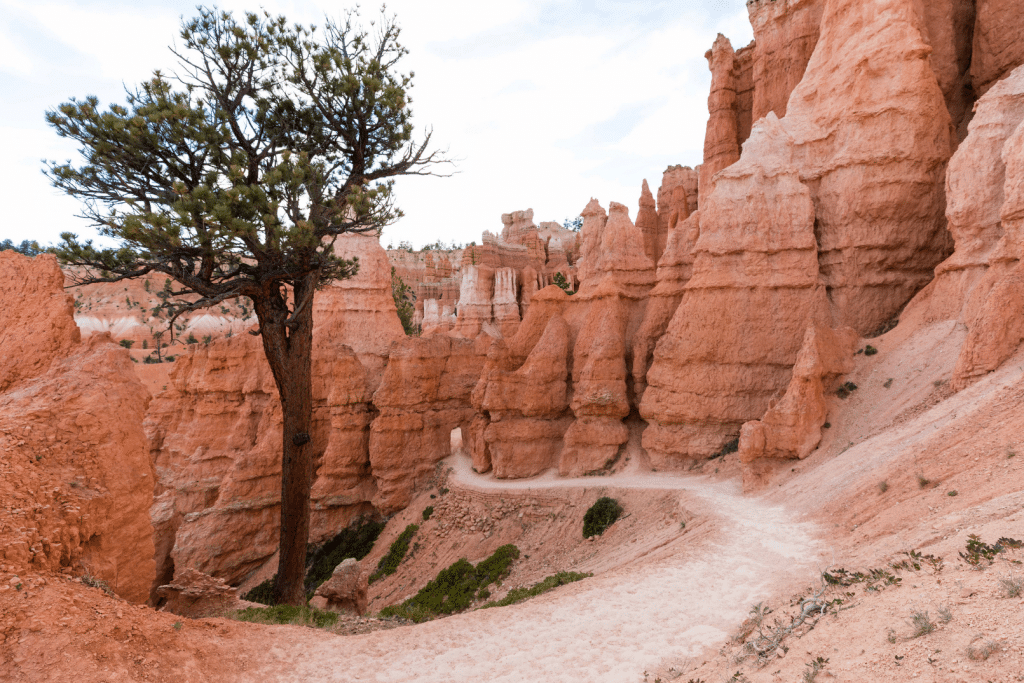
Just a couple hours east of Zion you’ll find another geological feat – Bryce Canyon National Park. Here, hundreds of spire-shaped rock formations, called hoodoos, reach toward the sky from the depths of the canyon. The best way to see them? Delving down one of the many hiking trails that lead towards the canyon floor.
One of my favorites hikes is the Queen’s Garden trail, which zigzags amongst the hoodoos, with trees clinging to the side of the mountain by exposed roots. Looking for a postcard-worthy sunrise? Then, you can’t beat the unparalleled views at Inspiration Point!
Regardless of where you go, make sure you bring plenty of water! It’s easy to get dehydrated in this arid environment, and people always underestimate how long it will take them to climb back out of the canyon.
Location:
Southern Utah
Annual Visitors:
2,679,478 (2018)
Must-See:
• The Natural Bridge
• Inspiration Point
• Queen’s Garden Trail
• Peek-A-Boo Trail
• Navajo Loop Trail
• Sunset Point
Cool Fact:
Despite its name, Bryce Canyon actually isn’t a canyon at all! It would more accurately be considered a natural amphitheater with views that span over 100 miles on a clear day.
Glacier National Park
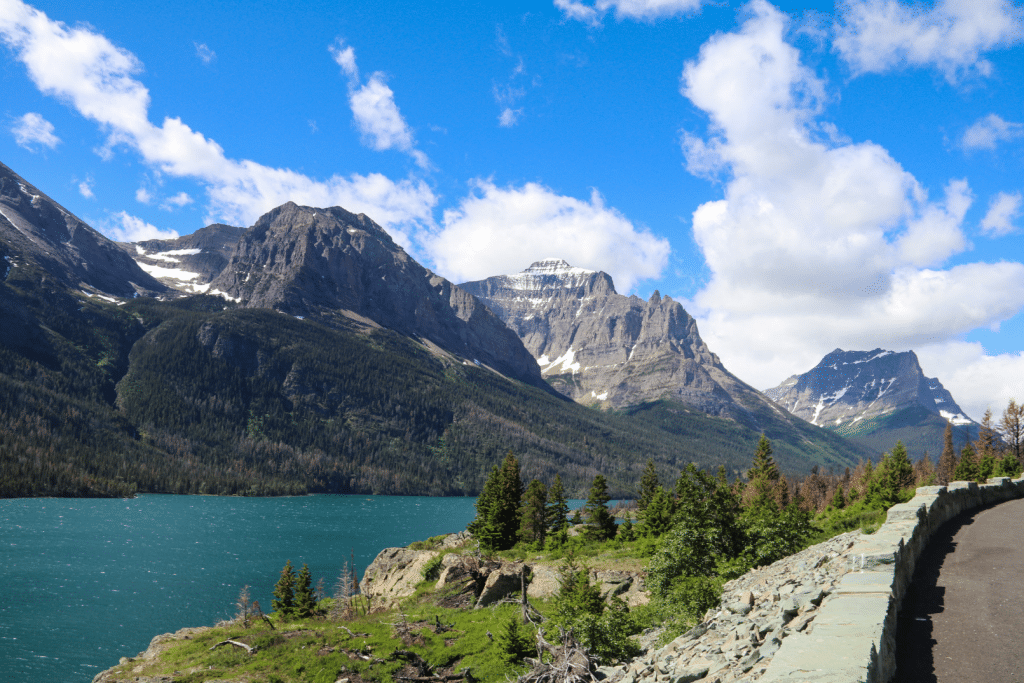
When it comes to rugged beauty, it’s hard to beat Glacier National Park. Bordering Canada on the northern edge of Montana, the bright turquoise lakes and glacier-carved peaks look like something out of PhotoShop. It’s obvious why the biosphere is a World Heritage site and one of the first international peace parks.
And, with over 700 miles of hiking trails and the scenic Going-to-the-Sun Road, there’s no shortage of ways to marvel at Glacier National Park’s stunning beauty!
One of the most photogenic areas in the park (besides, well, everywhere) is the Hidden Lake trail. Beginning at the west side of the Logan Pass Visitor’s Center, the 5.4-mile round trip takes you to a scenic overlook of the mountain lake with 8,684-foot Bearhat Mountain in the background. But, arrive early! The secret is out, making this trail a little crowded during peak times.
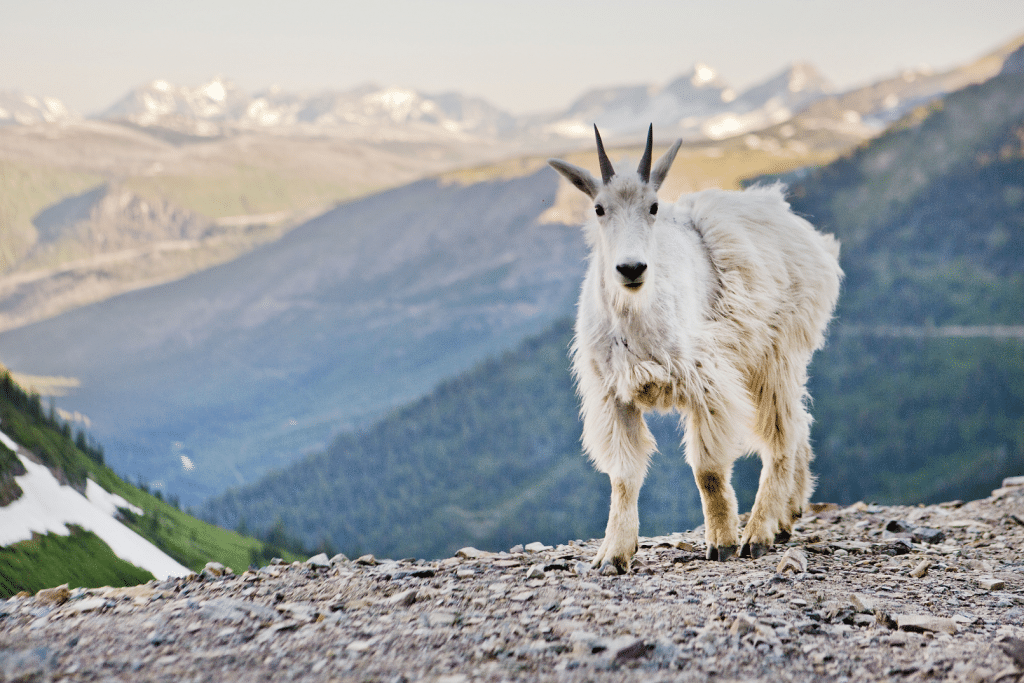
In addition to its dramatic landscapes, Glacier is also home to abundant wildlife including grizzlies, lynx, black bears, mountain lions, moose, wolverines, elk, deer, wolves, coyotes, beavers, and tons of mountain goats! For the best chance to view the goats, head to Goat Lick Overlook, where cliff-clinging goats come to lick the mineral-laden rocks.
Location:
Northwestern Montana, on the Canada–United States border
Annual Visitors:
2,965,309 (2018)
Must-See:
• Going-to-the-Sun Road
• Lake McDonald
• Iceberg Lake Trail
• Highline Trail
• Trail of the Cedars
• Grinnell Glacier
Cool Fact:
Alongside Waterton Lake, Goat Haunt is the center of the Waterton-Glacier International Peace Park. Here, you can cross the border with an ID and receive a goat-shaped stamp on your passport! Fitting, since the mountain goat is Glacier National Park’s official symbol!
Olympic National Park
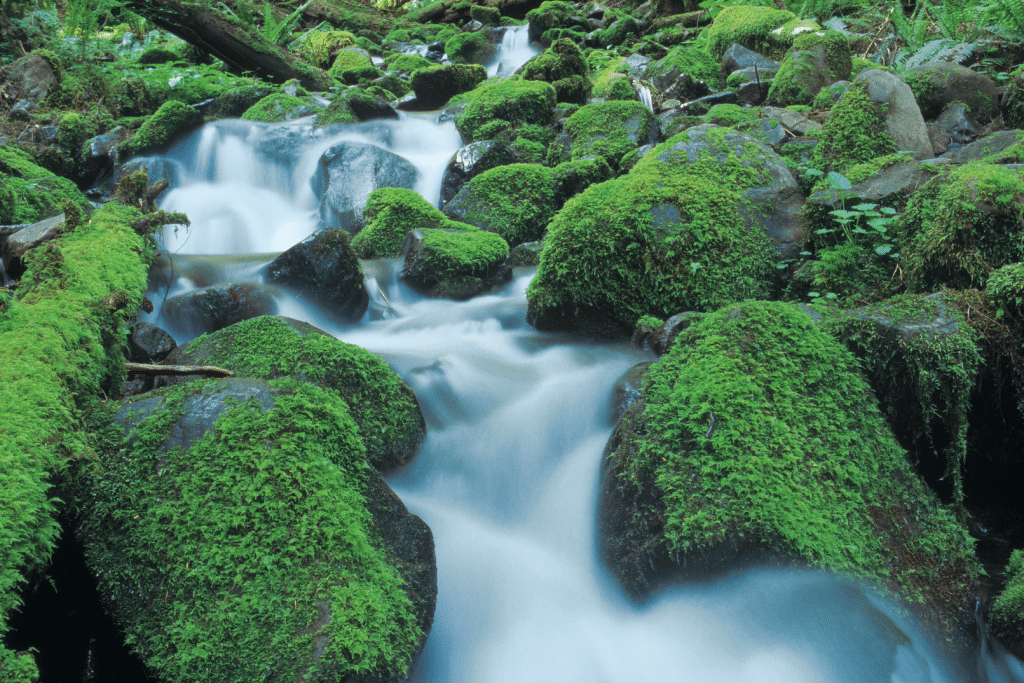
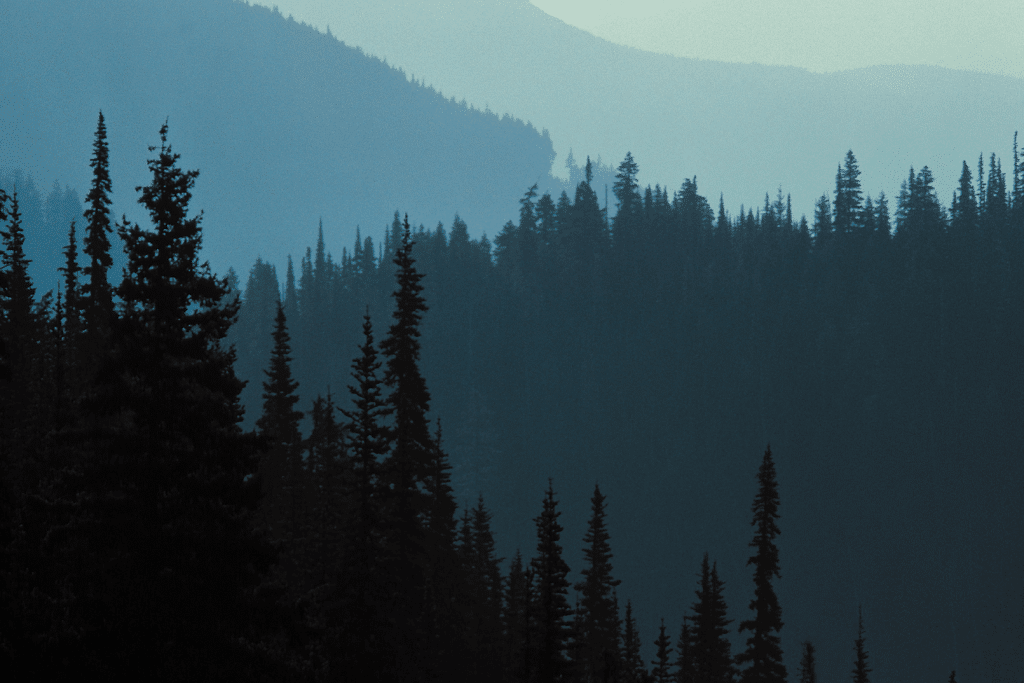
Located along Washington state’s Olympic Peninsula, Olympic National Park is an eclectic collection of ecosystems. With imposing peaks in the Olympic Mountains, lush ancient forests, and over 70-miles of coastline, everywhere you turn is picturesque perfection.
And, with so many areas to explore, there’s no shortage of activities to keep you busy! Whether you’re into backpacking, photography, hiking, or beach-combing, there’s something for everyone!
A hallmark of Olympic National Park is the thick green vegetation of its temperate rain forests. For a leisurely walk through the emerald outdoors, check out the Hall of Mosses and Spruce River trails that loop from the visitor’s center.
If you’re in the mood for a seaside stroll, then Rialto Beach offers sweeping views of offshore islands and sea stacks like something straight out of The Goonies.
Whatever tickles your fancy, you’re sure to find it in this northwest gem!
Location:
Washington’s Olympic Peninsula in the Pacific Northwest
Annual Visitors:
3,104,455 (2018)
Must-See:
• Hoh Rain Forest
• Sol Duc Falls
• Hurricane Ridge
• Ruby Beach
• Rialto Beach
• Olympic Hot Springs
Cool Fact:
The park’s Hoh Rain Forest receives over 12-feet of rainfall a year. This makes it one of the few remaining temperate rain forests in the country (and a marvel to hike through!)
Great Sand Dunes National Park
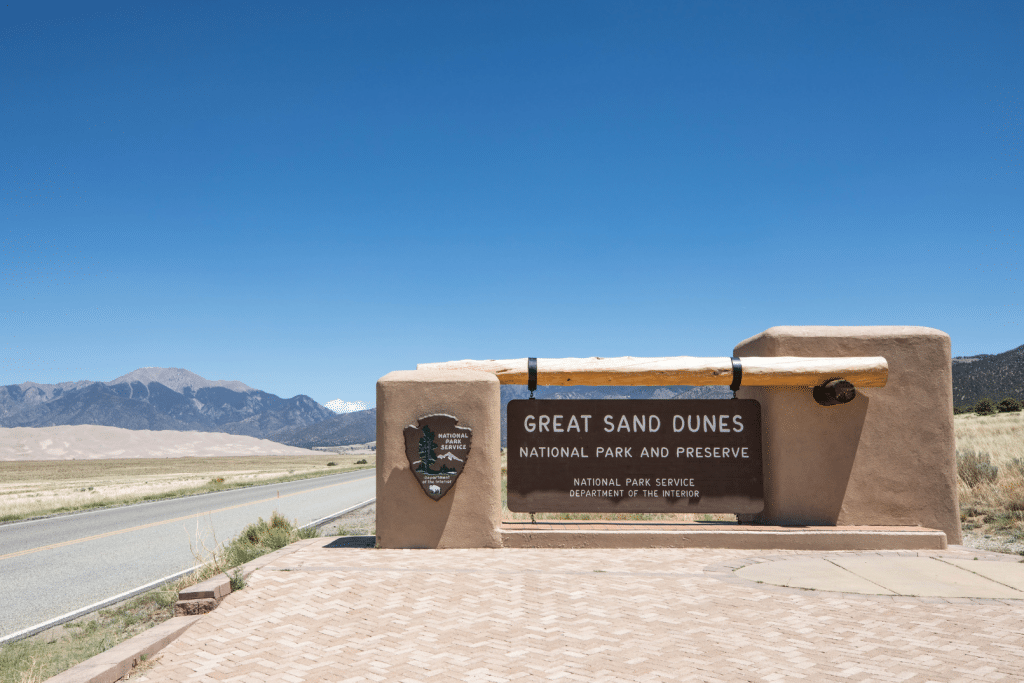
Boasting the tallest sand dunes in North America (the highest reaching 750 feet!), the Great Sand Dunes National Park covers 30 square miles. Think that’s impressive? Well, that 30 square miles contains an estimated 5.5 billion cubic yards of sand!
And, what does that mean? Endless amounts of fun!
For a unique adventure, test out your sandboarding skills (or sand sledding, if you’re in the mood for something a bit tamer). Hike to the top of the dunes for a scene straight out of the Sahara. Take in the views from there or strike a pose with limitless opportunities for artful photography. There’s much more to do – like horseback riding, four-wheeling, camping – you name it!
But, don’t forget your sunscreen! The heat off the dunes can get a bit toasty, and you don’t want to end your day looking like a cooked lobster.
Location:
Southern Colorado
Annual Visitors:
442,905 (2018)
Must-Do:
• Sandboarding/Sand sledding
• Soak in Medano Creek
• Horseback Ride
• 4-Wheel
• Camp
• Hike Zapata Falls
Cool Fact:
According to a study conducted by the National Parks Service, the Great Sand Dunes National Park is actually the quietest park in the country. Somewhat surprising when you consider all the recreational activities visitors partake in!

Denali National Park
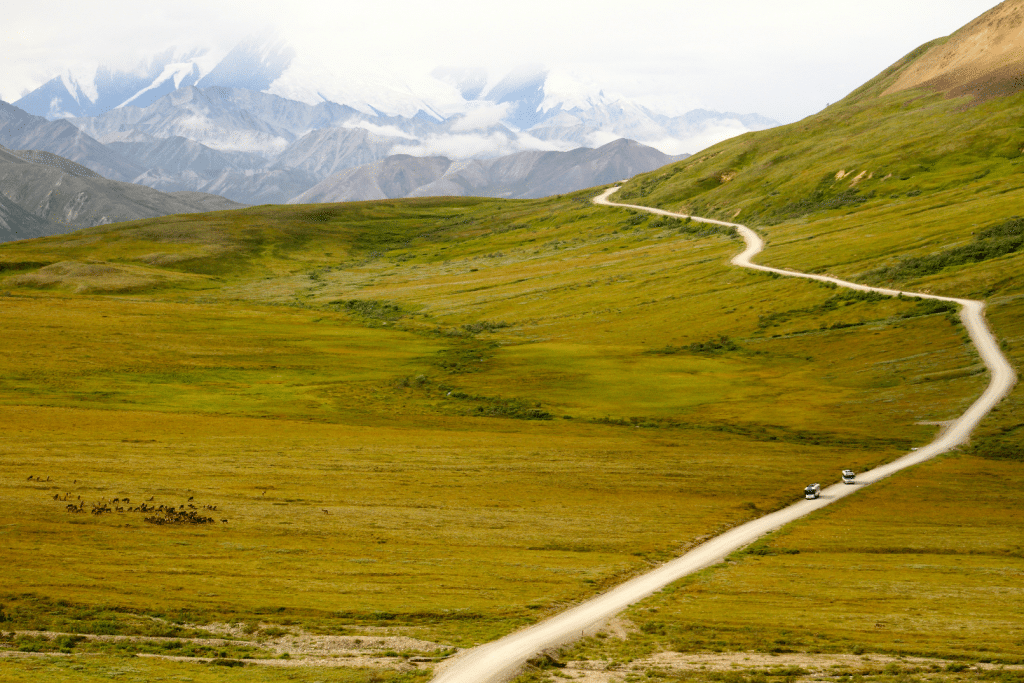
Spanning six-million acres across Alaska’s interior wilderness, Denali National Park is unlike anything else you’ll ever experience.
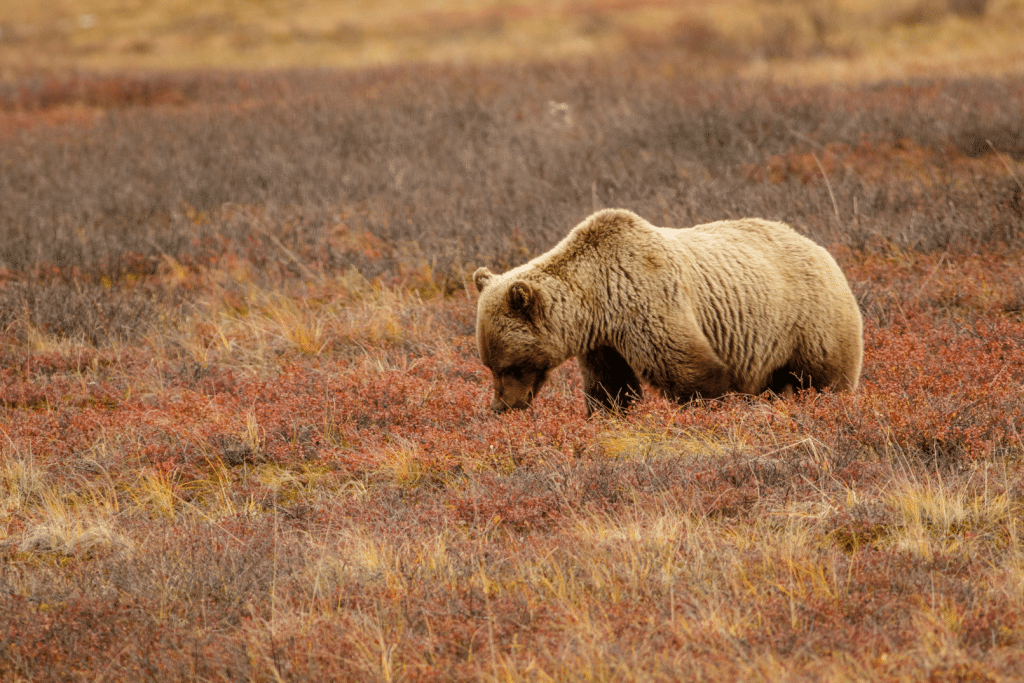
With spruce forests, mountain glaciers, and broad tundra, the park is home to a plethora of woodland creatures. Grizzlies, bears, wolves, moose, mountain sheep, and caribou can be spotted throughout Denali.
And, at the center of it all, North America’s highest peak: 20,310-foot Denali (aka Mount McKinley).
But, one of the most impressive sights you’ll see in the park are the northern lights. Because of its location, Denali National Park enjoys these delightful dancing phenomena during winter months. And, while not guaranteed, they can be predicted similar to weathermen predicting a chance of rain.
How convenient is that?!
Location:
Alaska’s interior wilderness
Annual Visitors:
642,809 (2017)
Must-See:
• Park Road
• Mt Healy Overlook Trail
• Horseshoe Lake Trail
• Savage Alpine Trail
• Wonder Lake
• Sled Dog Demonstration
Cool Fact:
The park has frozen frogs! The wood frog (which is the only naturally occurring amphibian in the park) freezes itself into a cryogenic state in the winter. Its heart and lungs cease movement, and it remains that way until the spring when it happy goes on its way.
Hawai’i Volcanoes National Park
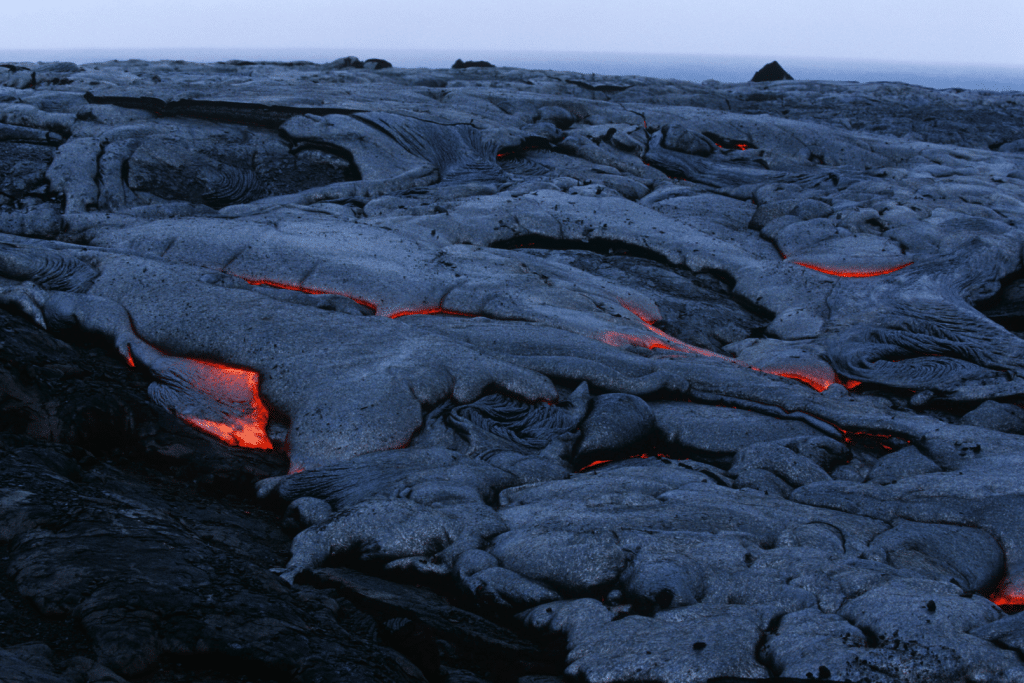
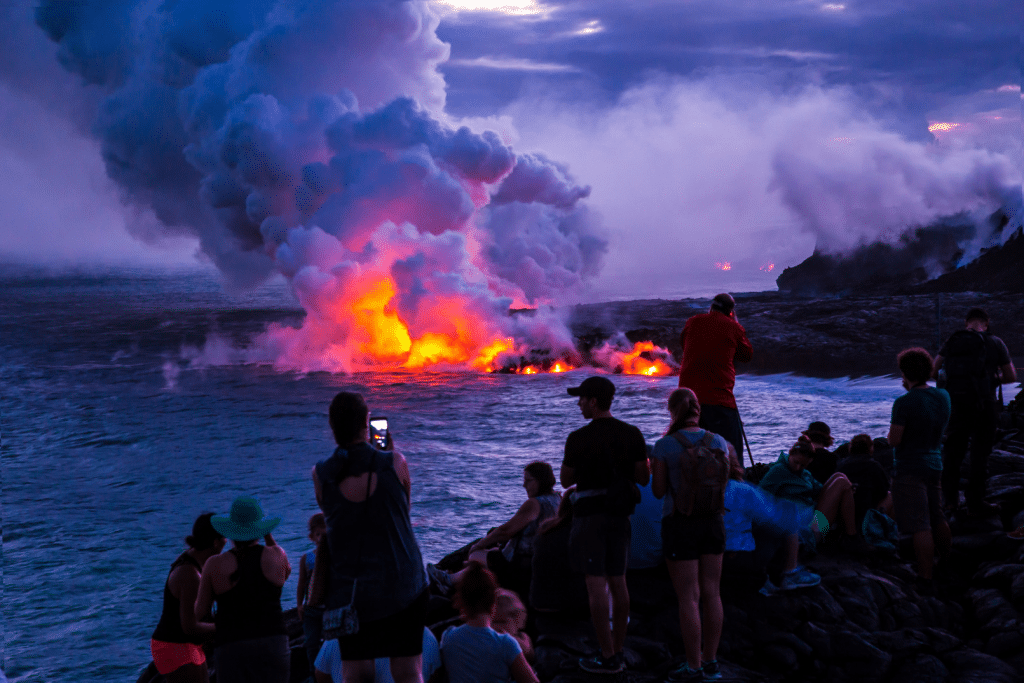
Add seeing lava flowing from an active volcano to your bucket list by visiting Hawai’ivisiting the Hawai’i Volcanoes National Park. Here, you can partake in interesting activities you won’t find at any other national park. This includes things like exploring the Thurston Lava Tube (Nāhuku) or hiking to the Halema’uma’u Crater.
Because, what’s a normal Tuesday without gazing down into an active volcano?
But, the most exciting sight of all is the flowing lava that can be found within the 505-square mile preserve. Where else can you witness molten rock creeping its way towards the ocean?
Talk about a once-in-a-lifetime experience!
Location:
Hawai’i Island (the Big Island)
Annual Visitors:
2,016,702 (2017)
Must-See:
• Kīlauea’Iki Crater
• Chain of Craters Road
• Mauna Loa Strip Road
• Ha’a Kulamanu (Sulphur Banks) Trail
• Nahuku -Thurston Lava Tube
• Volcano Art Center Gallery
Cool Fact:
There are 54 threatened and endangered species living in Hawai’i Volcanoes National Park! Some of those include the Hawaiian hawksbill turtle, the Hawaiian goose, and the Hawai’i petrel.
It’s easy to see why these are, arguably, the best U.S. National Parks (and a great place to start if you want to visit all 59!) No wonder over 318 million people visited America’s national parks in 2018!
You May Also Like:
» Yellowstone’s Best Kept Secret
» A Local’s Guide to the Great Sand Dunes
» The Most Picture Perfect Places in the American Southwest


Leave a Reply