


Your very first premium camera will open up a new realm of possibilities for your photography practice. Unlike standard cameras, these advanced models offer enhanced capabilities that can significantly elevate the quality of your work and expand your creative horizons. Whether it’s capturing sharper details in low light or achieving faster shutter speeds for action shots, the right camera can significantly affect your results.
However, such sophistication often comes with a substantial price tag. As a budding photographer, it’s important for you to assess your financial readiness and to take practical steps to ensure you’re making a sound investment. At the very least, you need to be doing copious research on different models before settling on which one to purchase.
You can supplement that research with practical experience and rent a lens or other camera equipment from a reputable photo studio. This will allow you to test a different configuration of gear under various shooting conditions without spending too much out of pocket. From there, you may have an easier time determining which features are essential for your style of photography before committing a large amount of money to a premium camera and its corresponding accessories. Let’s explore some major factors to consider before you make one of the most important investments in your photography career.
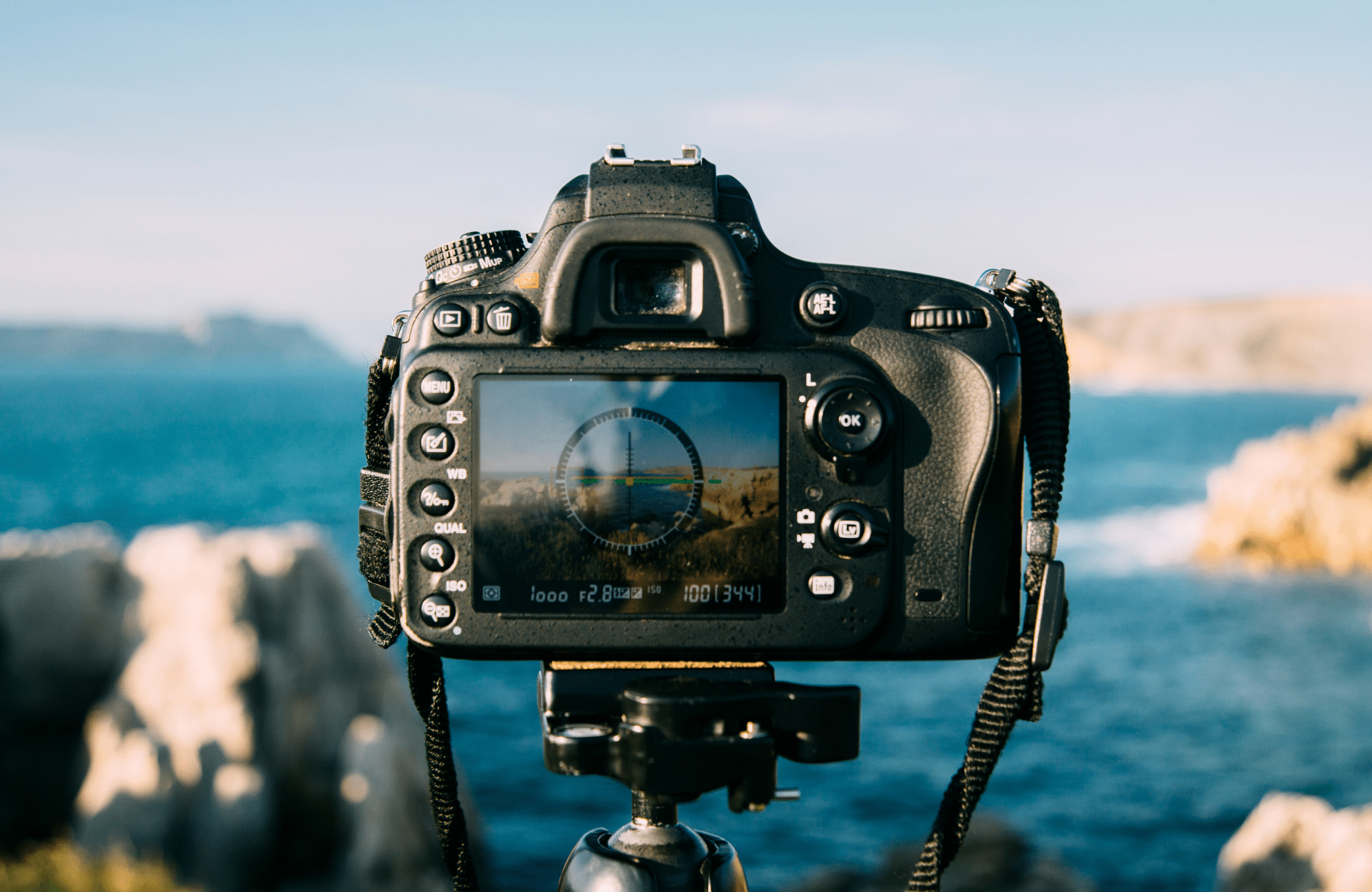
1. Budget and Associated Costs
When considering a premium camera, think beyond the sticker price. Your budget needs to accommodate the cost of essential accessories in addition to the price of the camera itself. Extra batteries, high-quality lenses, memory cards, and even insurance — all these add up, so make sure you understand the total cost of ownership before making any hard buying decisions.
Likewise, ask yourself if you’re prepared for the ongoing expenses that come with high-level photography, such as regular maintenance and potential upgrades. Only buy a premium camera if the answer is a firm yes.
2. Photography Needs and Style
Your choice of camera should also align well with your photographic ambitions, as different cameras excel in different scenarios. Do you thrive on the spontaneity of street photography, or do you prefer the controlled environment of studio shoots?
A camera known for its robust autofocus system might be indispensable for capturing fast-moving sports, while one with high dynamic range and resolution might be better suited for landscape photography. Matching the camera’s features with your primary photography style will enhance your workflow and empower you to make the most out of your investment.
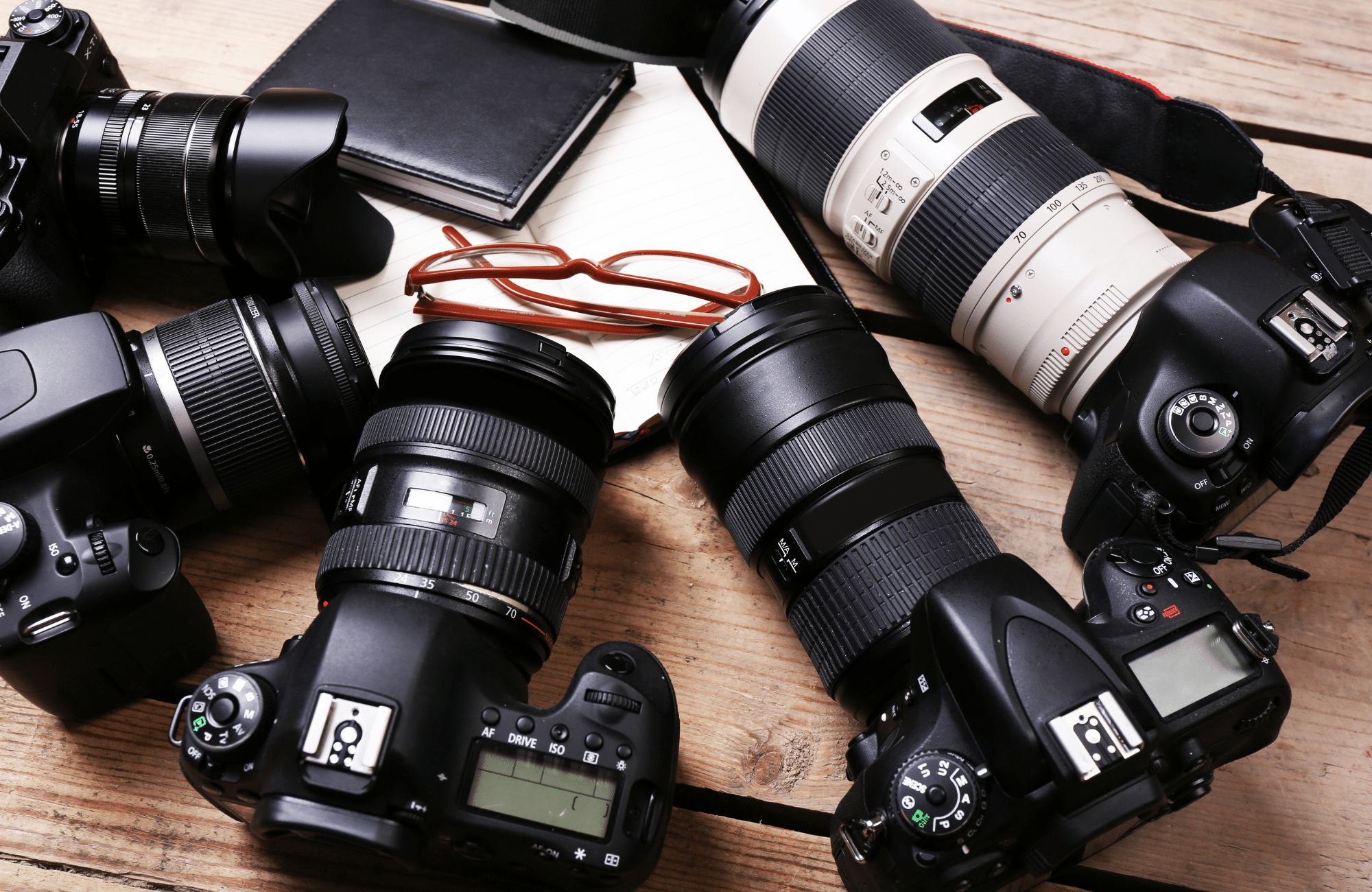
3. Image Quality
The allure of premium cameras often lies in their superior image quality. Higher resolution sensors, better dynamic range, and improved noise reduction capabilities all mean that even in challenging lighting conditions, you’ll be able to capture clear and detailed images. This is particularly important if you’re aiming to showcase your work in galleries or to make high-quality prints, where every pixel counts. Remember, however, that a camera is only as good as its operator — the technology enhances skill, but it doesn’t replace it.
4. Features and Usability
Cameras that let you navigate their menus with ease or change settings swiftly can set you up for success if you’re trying to capture fleeting moments. Consider the usability of any camera you’re thinking of buying: does its layout intuitively align with your workflow? Features like touchscreen interfaces, customizable buttons, and dual card slots can enhance your shooting experience.
Moreover, consider the weight and size, since you’ll need to be comfortable during long shooting sessions. A camera that feels like an extension of your hand will be more than just a tool, but a gateway to capturing life as it unfolds.
5. Lens and System Compatibility
You can often unlock the true potential of a premium camera by pairing it with the right lenses. Before committing, evaluate the compatibility of your existing gear or the availability of future investments. Are you entering a system with a wide range of lens options? This is crucial for photographers who may want to expand their range of work.
Also, consider the adaptability of the camera with other accessories you might already own or plan to acquire. The flexibility to use diverse equipment can vastly broaden your photographic capabilities.

6. Support and Warranty
Investing in a premium camera is not just about acquiring a new piece of equipment. You should also consider the fact that you’re entering into a relationship with the manufacturer. The level of customer support you receive, the comprehensiveness of the warranty, and the availability of professional services can be just as important as the camera itself.
Look for brands known for their reliability and customer service. A good warranty can protect your investment, while excellent support can help you resolve issues quickly so that you can return to shooting with confidence.
7. Future-Proofing
Photography technology evolves rapidly, which makes it all the more necessary for you to future-proof your investment. It would be in your best interest to buy a camera that’s firmware-upgradeable and that will be able to adapt to new technologies and features over time.
Also, think about the longevity of the camera system — will it likely receive new lens releases and accessories in the future? Choose a camera that can grow with your skills and adapt to future advancements to ensure that your investment remains relevant and productive for years to come.
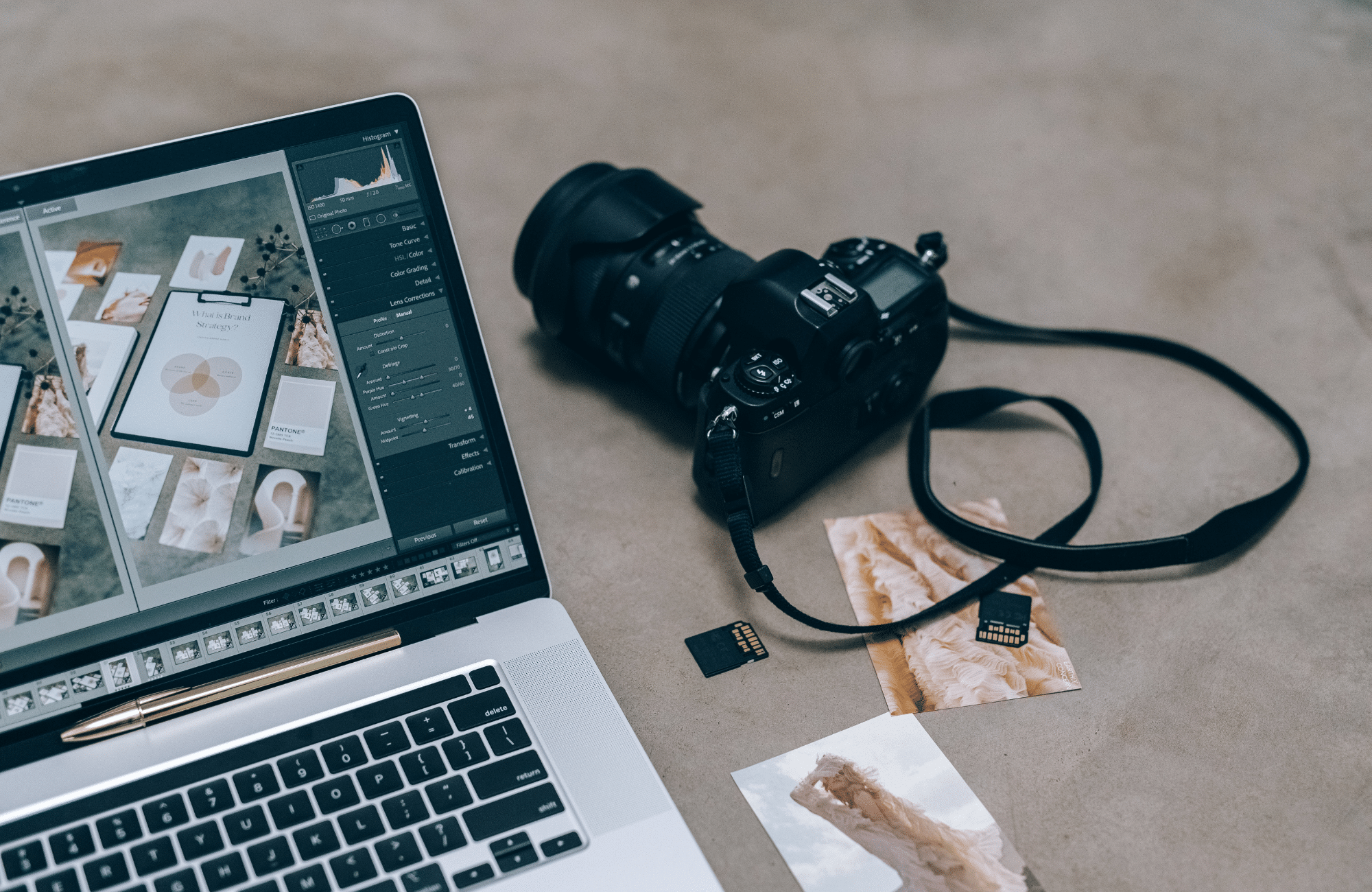
Ideally, you should think about more than just technical specifications when you invest in your first premium camera. You’ll want to find a tool that fits seamlessly into your creative vision and grows with you in your journey as a photographer. Consider the above-mentioned factors carefully, and let your passion for photography and your knowledge of what you need guide you to the perfect match.
Do you own a premium camera? What were some features that were most important to you when you purchased it?
You May Also Like:
» 3 Simple Basics Of How To Use A DSLR Camera
» 10 Tips For Incredible Photography Composition
» Beginners Guide To Photo Editing In Lightroom


Leave a Reply