

The weather is cooling off and, as I bust out my winter wear (with some delightful discounts on new apparel from The North Face thanks to Capital One Shopping), I thought it was the perfect opportunity to highlight some of my favorite foul – penguins! So, settle in for some fun facts and adorable photos of these dapperly dressed little waddlers. But, be prepared for cuteness overload! Because their adorable antics are not for the faint of heart.
Let’s dive in (pun intended).
ANATOMY
While penguins don’t fly and seem a bit clumsy on land, they’re extremely adept swimmers. And, with good reason! Penguins spend 75% of their lives in the water. In fact, some are in the water so much that they’ve actually been found with barnacles growing on their feathers!
Their little legs act as rudders and their wings become powerful propellers in the water. Depending on the type of penguin, they can swim between 5 mph (8 km/hr) to 9 mph (14 km/hr) and they’re able to turn on a dime. That speed also allows them to shoot out of the water like little feathery torpedoes (which is called “porpoising” and is extremely fun to watch!)
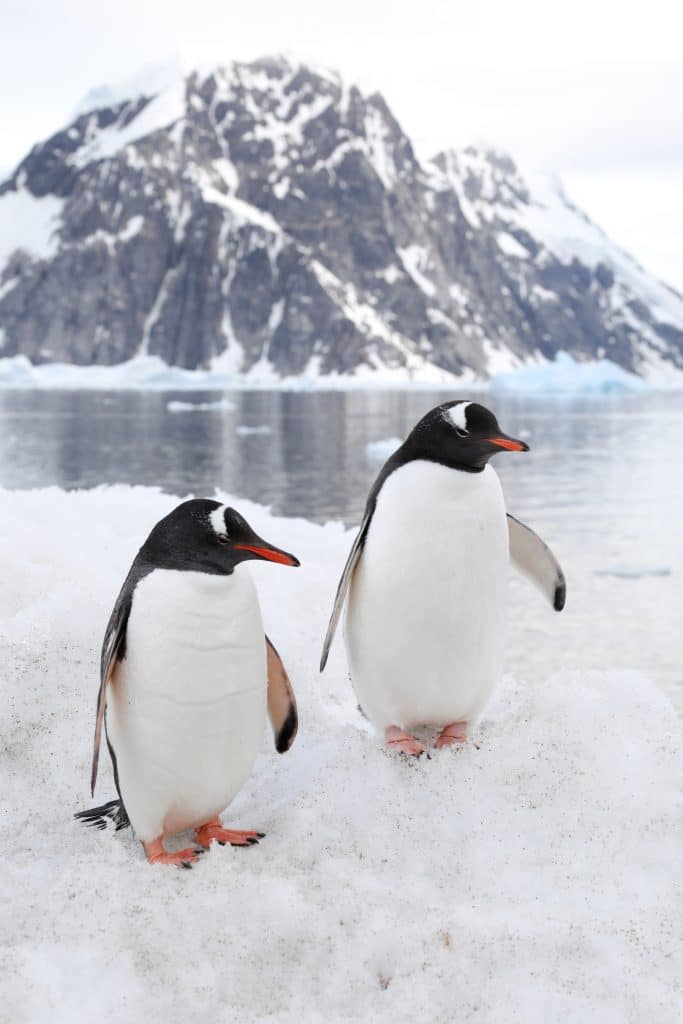
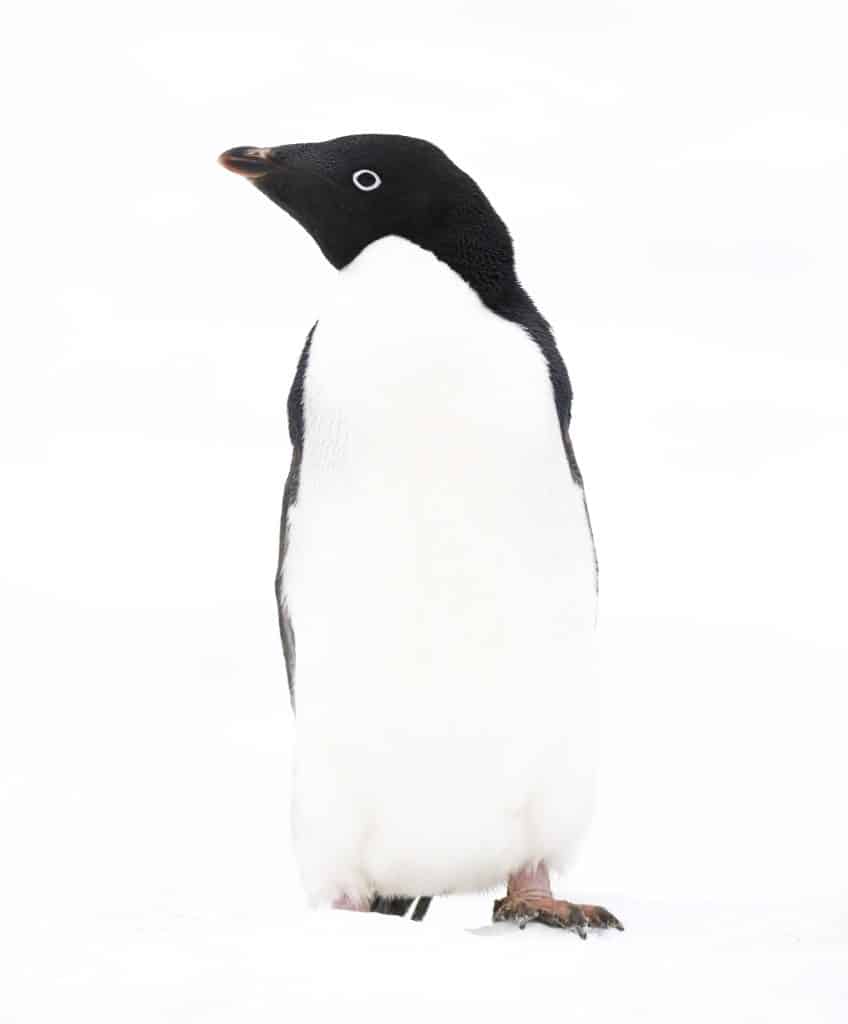
Curious why they appear to be such dapper dressers? The answer is evolution! Their white bellies mirror the sky for predators below, and their dark backs mirror the sea for predators above.
NESTING
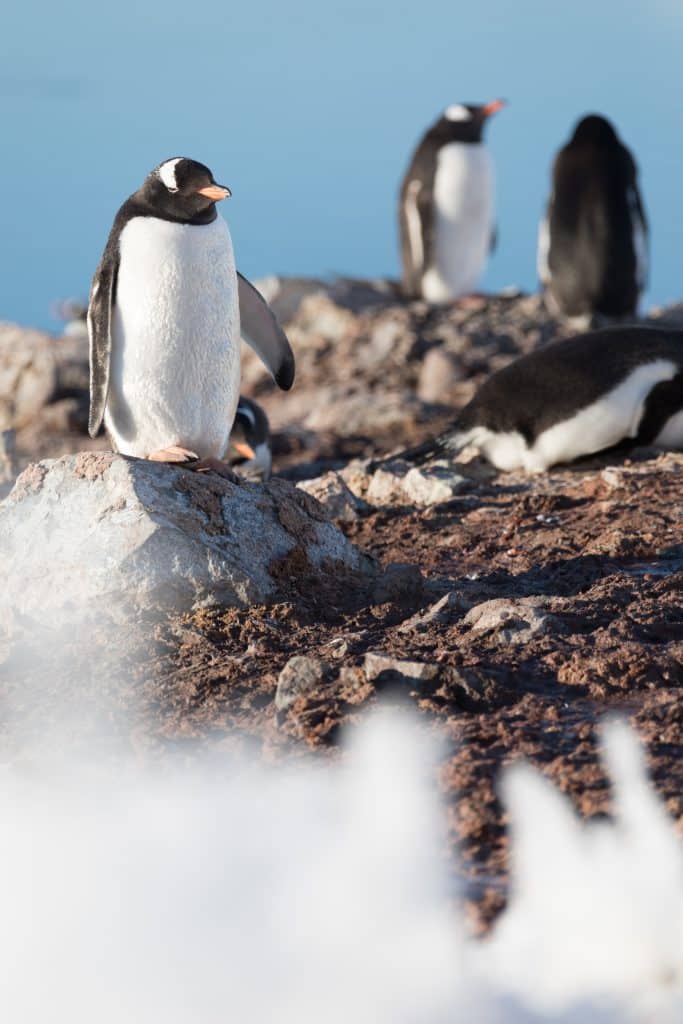
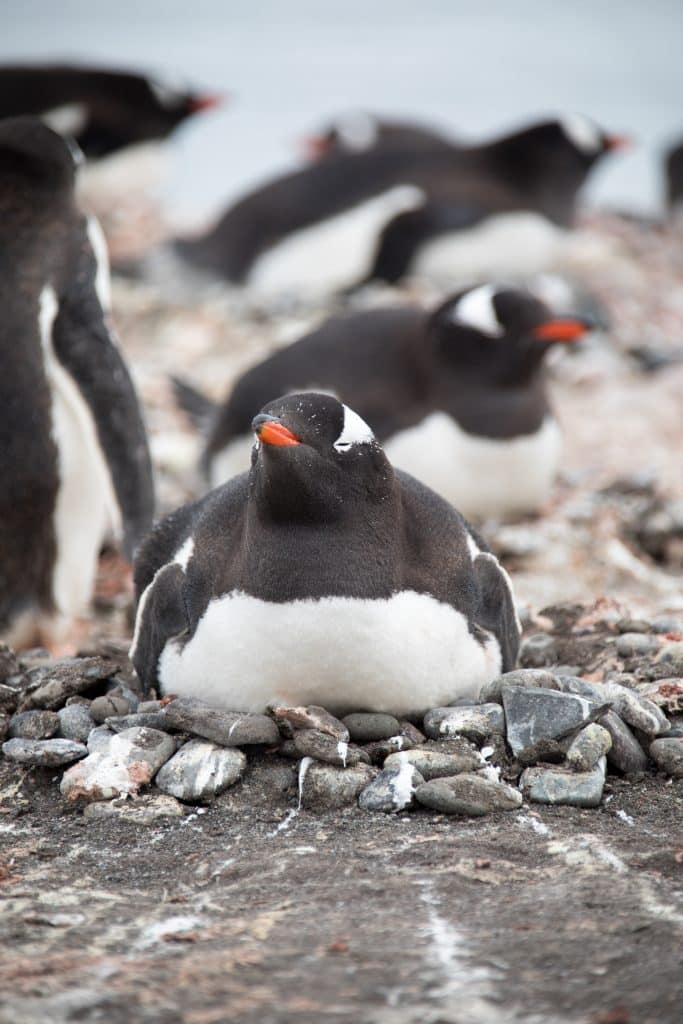
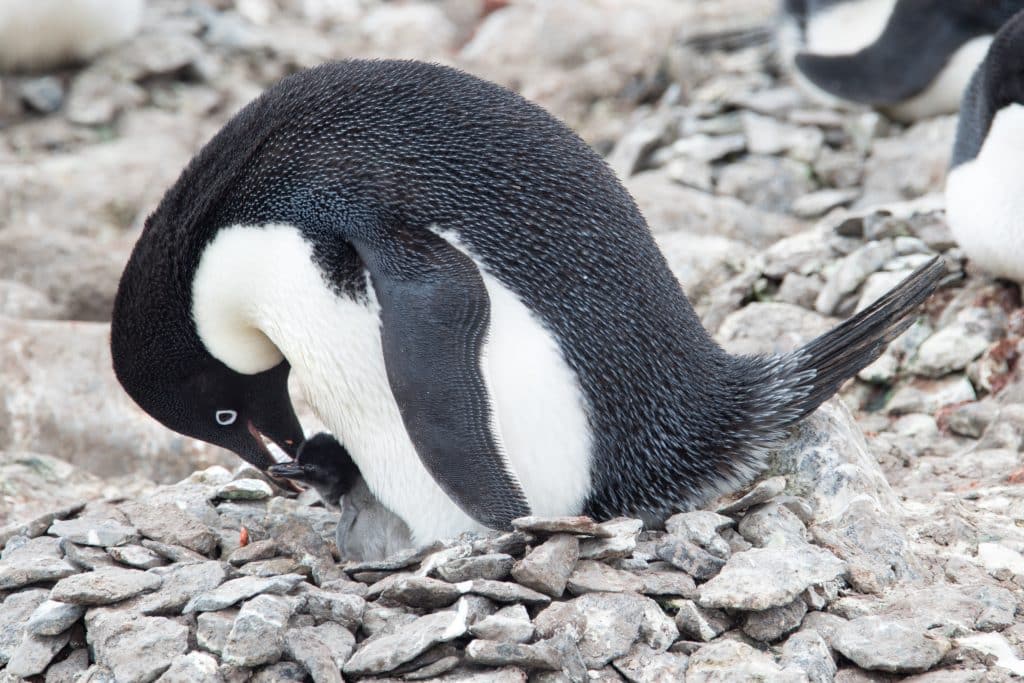
Penguin nests are typically built by the males using small stones and pebbles to protect their eggs and chicks from the elements. It’s comical to watch more experienced penguins stealing pebbles from less experienced males. But, this game of musical stones does serve an important purpose since an average of 14% of chicks drown without sufficient protection from storms.
When females return to the nesting sites, they either stay with their mate from previous years or find a new one. They want the most physically fit not just so they have something fun to look at, but to ensure the best chance of survival for their offspring (since around 17% of chick losses occurred because a parent abandoned the nest when they were unable to hold out until the other returned with food).
But, penguins are generally very dedicated parents. It’s not uncommon to see an injured adult (even near death) fighting to return to the nest with food.

ENERGY CONSERVATION
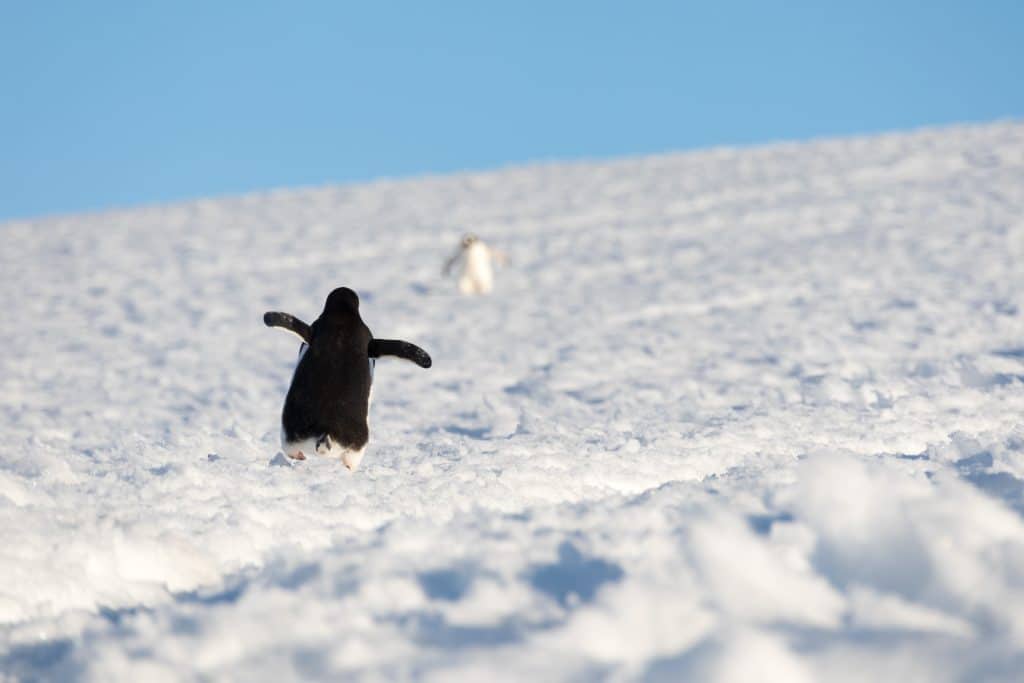
When living in harsh environments like Antarctica, the name of the game is energy conservation. Climbing steep hills to return to their nests burns a lot of calories, so when visiting penguin colonies it’s important to give them the right of way. Deviating off their “penguin highways” can cause them to burn unnecessary energy which could put their life and the lives of their offspring at risk.

MAKE SOME NOISE
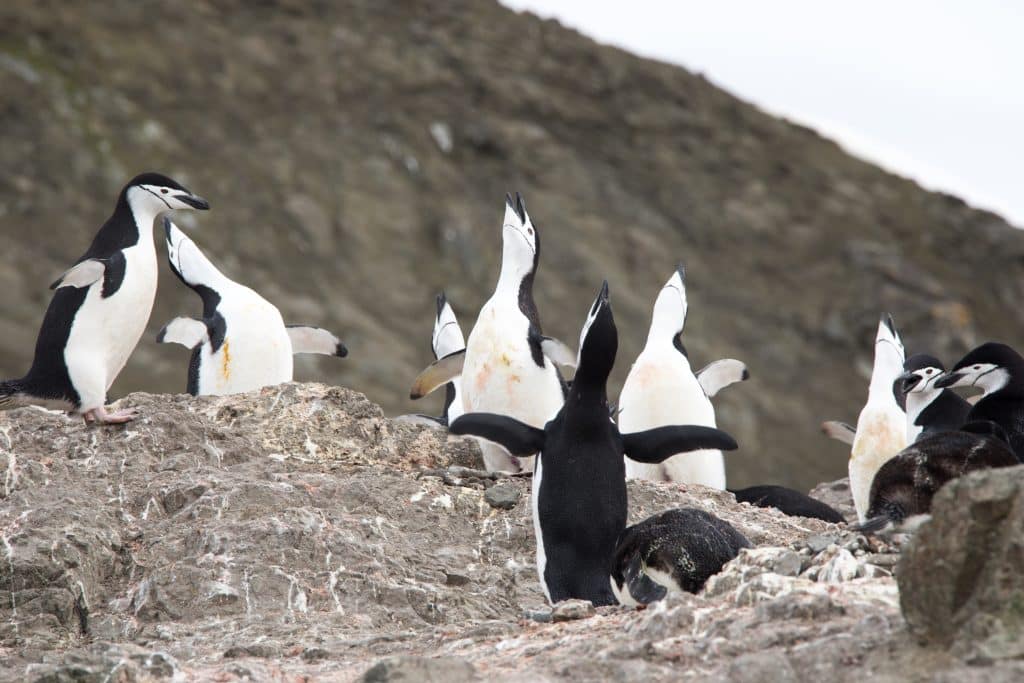
Penguin colonies are stinky and loud. That’s because, in addition to projectile poop, penguins also call out in what is known as ecstatic displays (or trumpeting). This serves a number of purposes. It can announce availability for mating, it can be used to help pairs find each other in crowded nesting sites, and it can be used to show claim over their territory.
When penguins call out in this way, they stretch their necks up to the sky and flap their wings back and forth. And, once one penguin gets going, their enthusiasm catches on quickly and others in the area tend to follow suit.
CURIOUS CREATURES
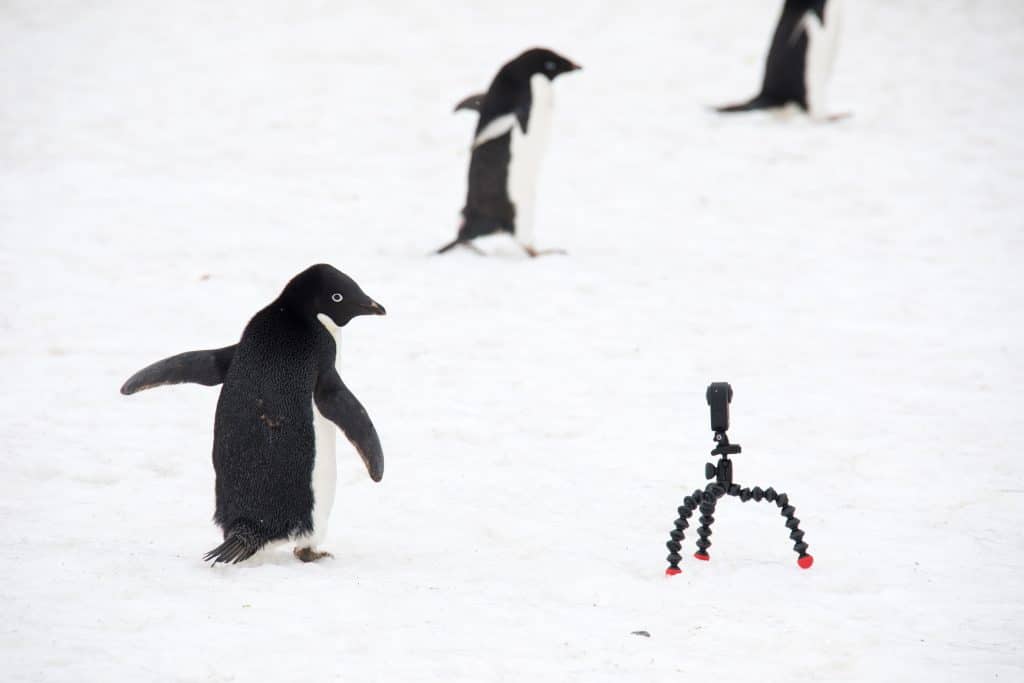
While penguins have plenty to fear in the water (leopard seals, killer whales, etc) they have virtually no land predators. So, when you encounter them, they tend to be very curious about your presence and the introduction of foreign objects into their environment.
One evening when I was sitting on the ground to photograph small icebergs (called growlers) in Antarctica, I suddenly felt a tug at my sleeve. I looked down to find a little Gentoo penguin staring up at me. Even when I moved my arm, he didn’t run away. Instead, he just continued to look me over as if to say “who the heck are you?”



WHERE THEY CALL HOME
When you think of penguins, you undoubtedly picture frozen landscapes. And sure, there are plenty of penguin species in Antarctica (but none found in the Arctic, interestingly enough). Those include the Gentoo, Chinstrap, Macaroni, Rockhopper, Adélie, King, and Emperor (just to name a few).
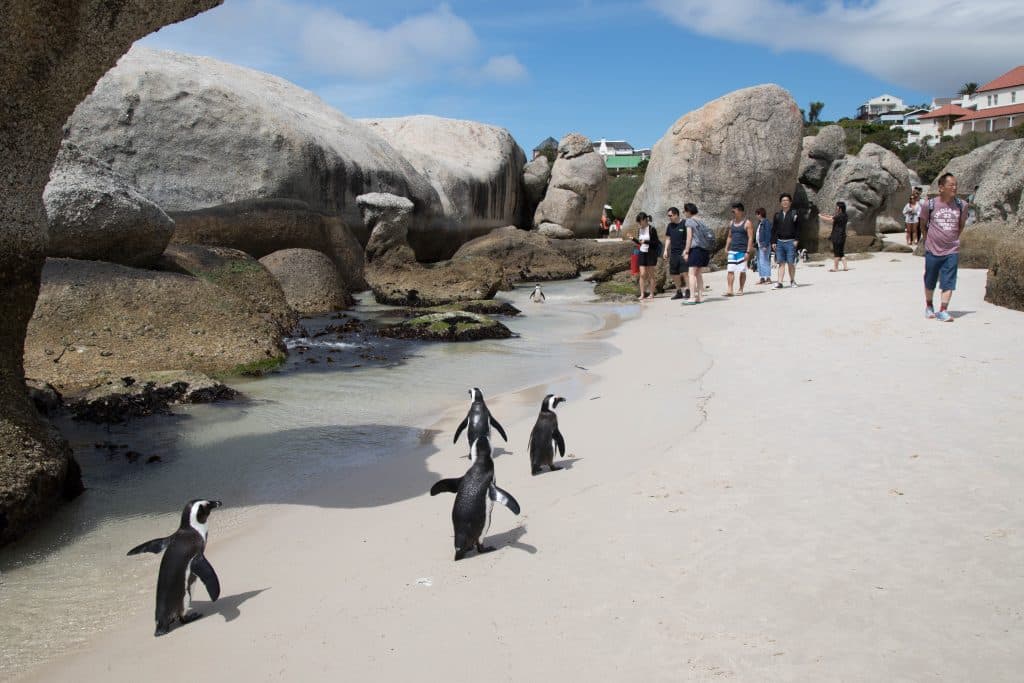
But, there are plenty that live in warmer climates as well. The most northerly penguins are found in the Galapagos (aptly named the Galapagos penguins). There are also colonies in New Zealand and Australia (Yellow-Eyed and Fairy penguins) and South America (Humboldt and Magellanic penguins). And, in South Africa, you can find African penguins (also called Jackass penguins for their shrill calls).
I happened to visit some at Boulder’s Beach when I was staying in Cape Town, and it was one of the most memorable experiences of my trip. It was my first time around wild penguins and it felt very bizarre to be sharing a beach with them on a hot summer day. But, they were great hosts and immediately greeted me with a serving tray and a cocktail. (Ok, maybe I’ve just seen one too many Pixar movies… but a girl can dream!)


Penguins truly are amazing creatures and, let’s be honest, some of the most adorable members of the Animal Kingdom. So, when you meet them in person, they’ll quickly waddle their way into your heart.
Have you seen penguins in the wild? Comment below, I’d love to hear about your experience!
You May Also Like:
» Picture Perfect Reasons To Visit Antarctica
» What To Know Before Traveling To Antarctica
» Complete Winter Packing Guide

Leave a Reply