

As the capital of Ireland, there are countless reasons to visit Dublin. Noteworthy pubs, expansive libraries, lush parks, castles and cathedrals… the list seems to go on and on!
But, with so much to see, where should you start?
Here are ten things you don’t want to miss on your next trip to this jewel of the Emerald Isle.
1. The Temple Bar
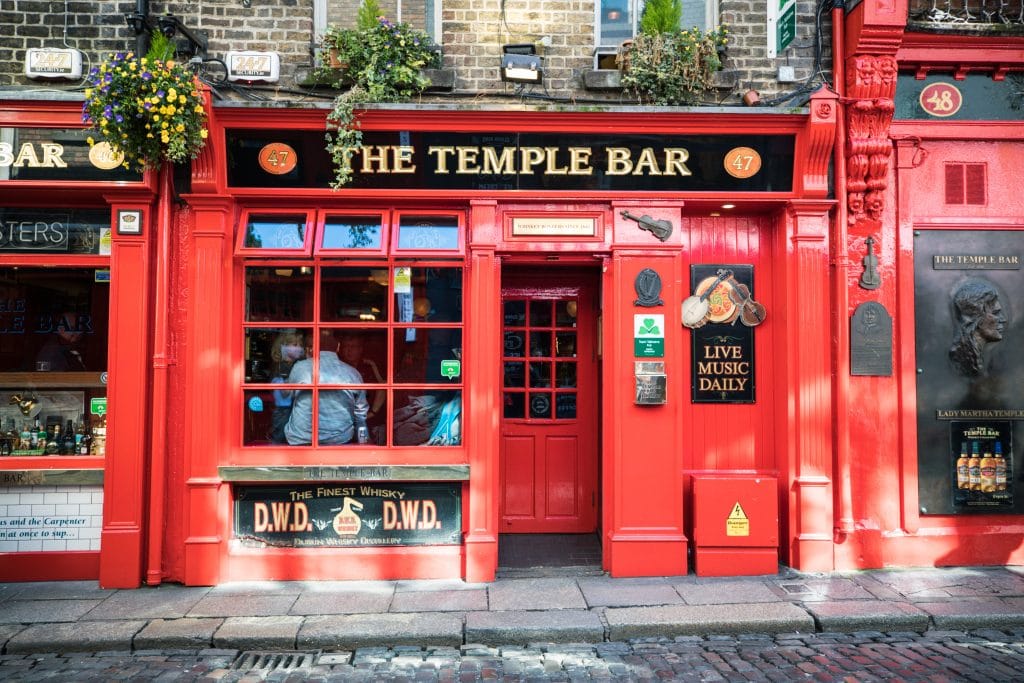
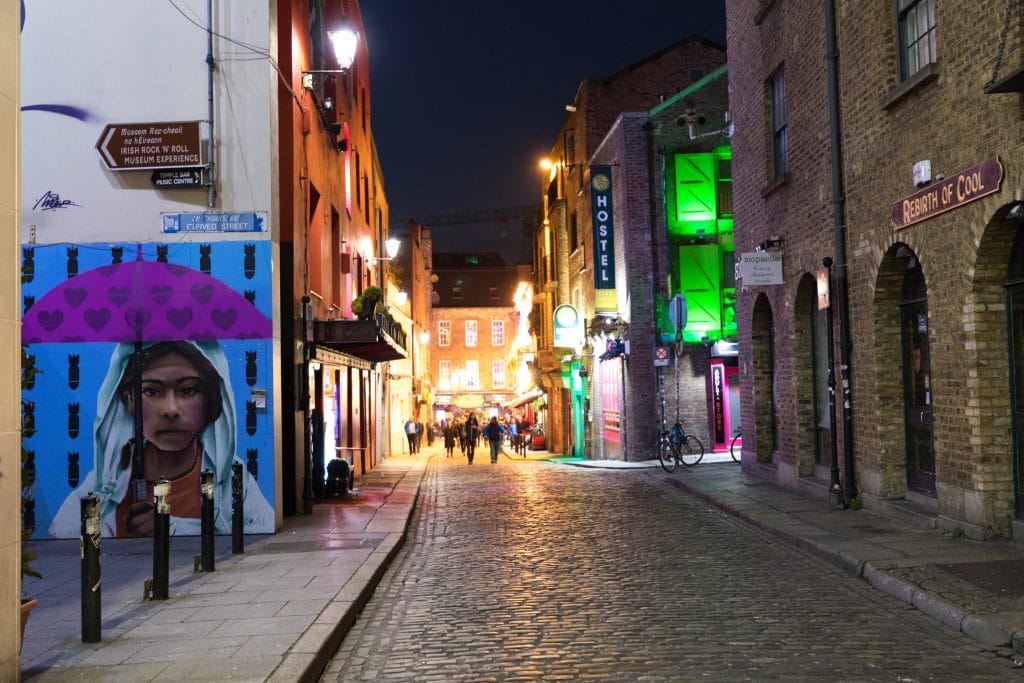
One of the most famous areas in Dublin is the Temple Bar neighborhood. And, at its center, one of the most famous pubs in the world – the iconic Temple Bar.
The Temple Bar area dates back to 1599 when Sir William Temple (a renowned teacher and philosopher) built his home here on the newly reclaimed land. Later, his son, Sir John Temple, developed what we know today as The Temple Bar after a sea wall was built to hold back the River Liffey in 1656.
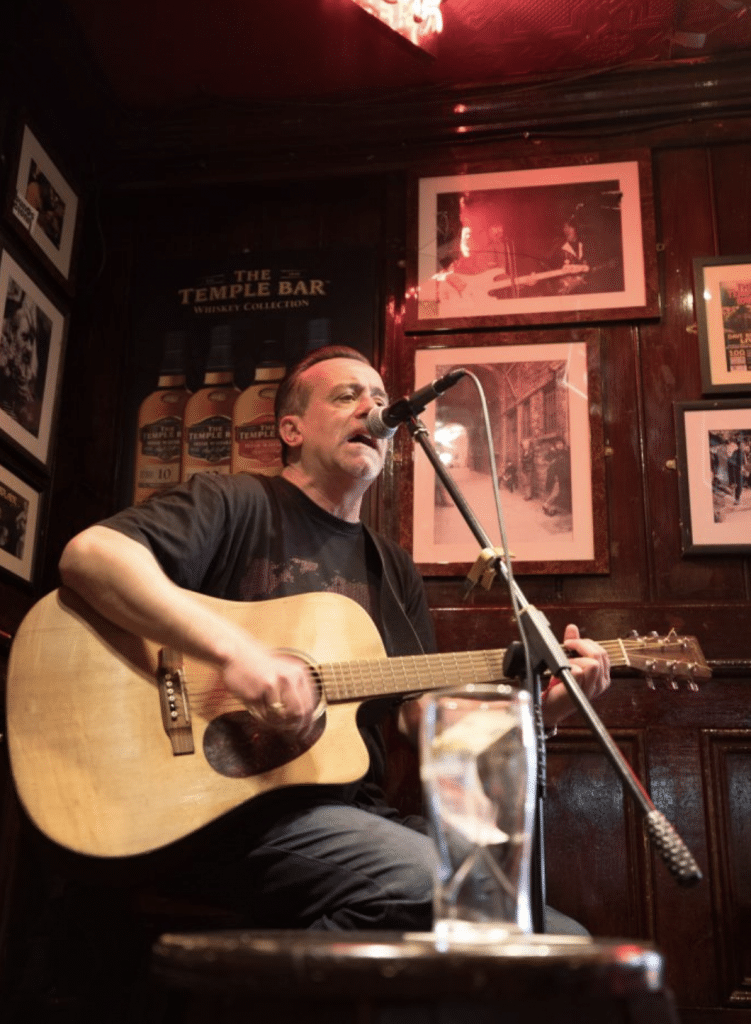
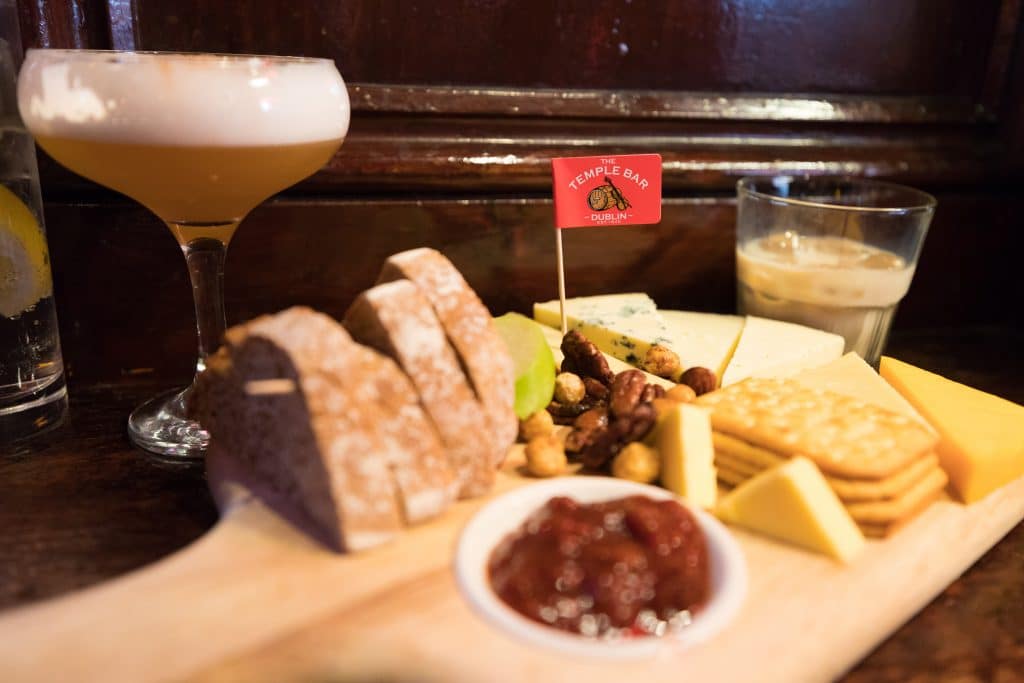
Today, The Temple Bar houses live music, delectable eats, and Ireland’s largest collection of whiskey – 450 bottles of the world’s most rare bottles gathered over decades!
EXPERT TIP: Because The Temple Bar is such a tourist trap, the area is filled with people. If you want a photograph without a bunch of photobombers, the only way to get it is to visit right after sunrise.

2. Trinity College
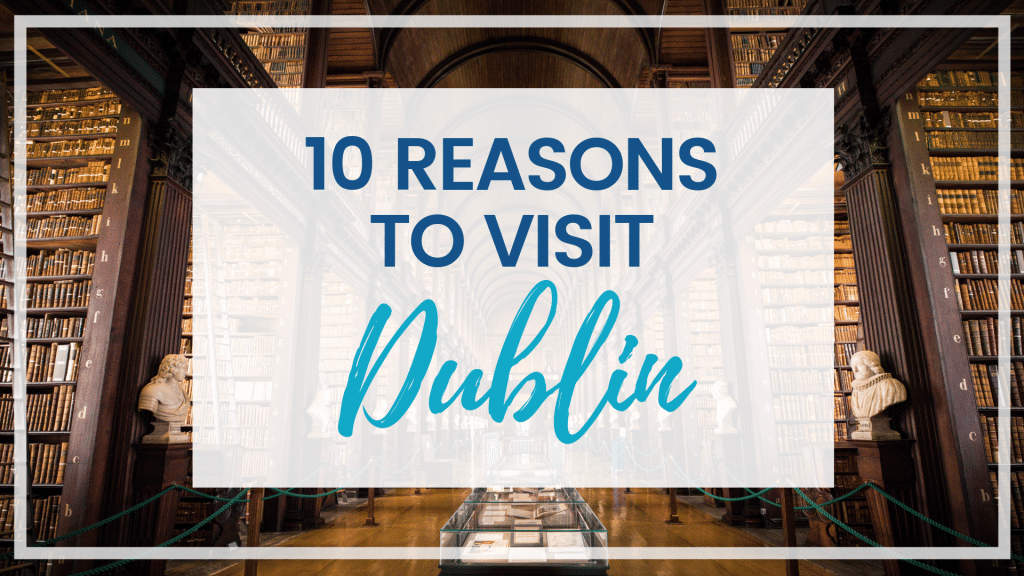
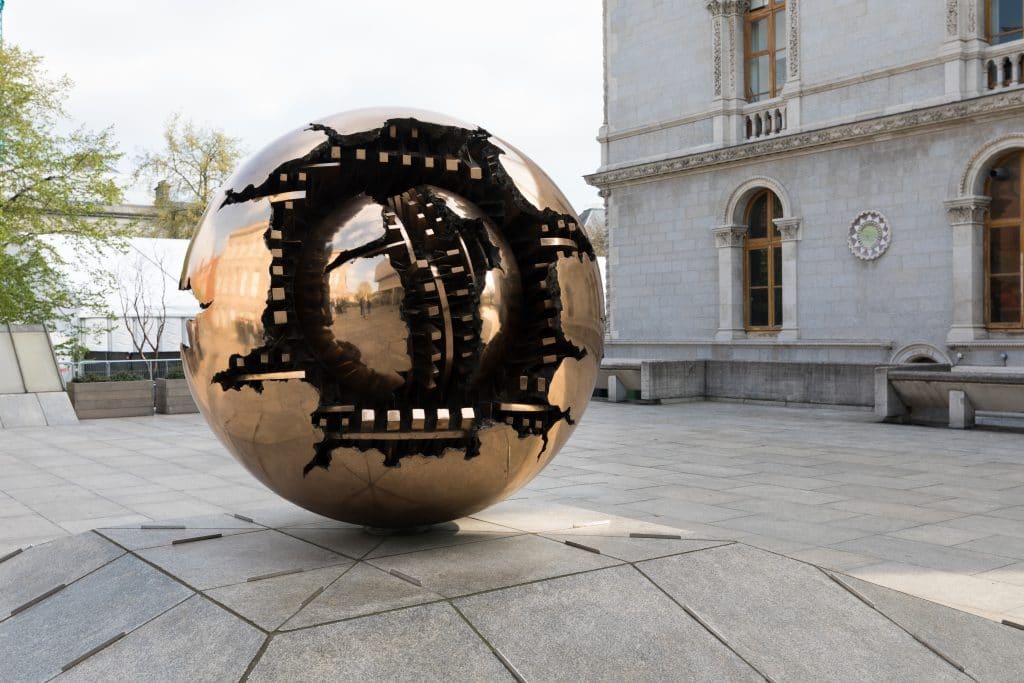
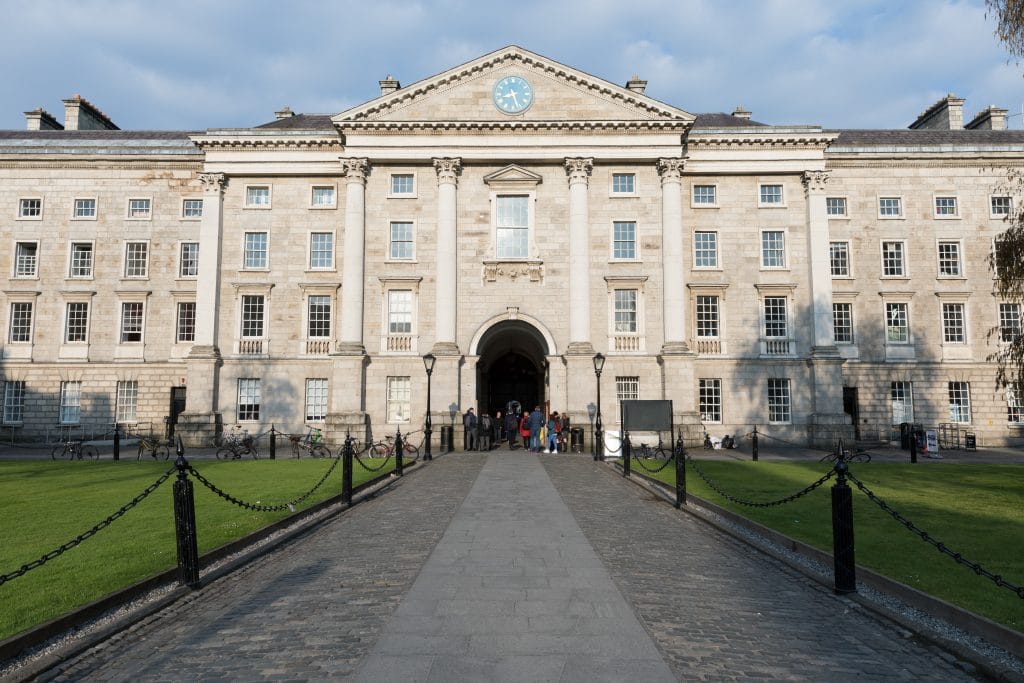
As Ireland’s oldest surviving university, Trinity College houses some of the country’s oldest treasures. Most notably, the Book of Kells and ancient texts in The Long Room.
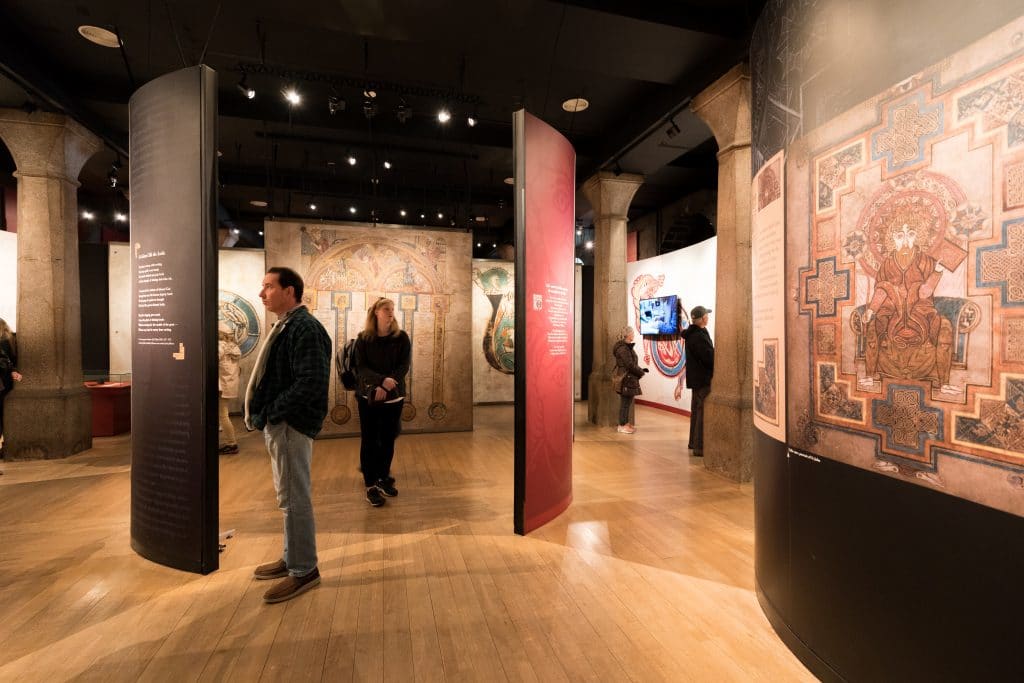
The Book of Kells dates back to the 9th century and is a beautifully illustrated manuscript of four gospels in the New Testament. Written on calf skin (called vellum), its 680 pages have been bound into four volumes which are on display in the library.
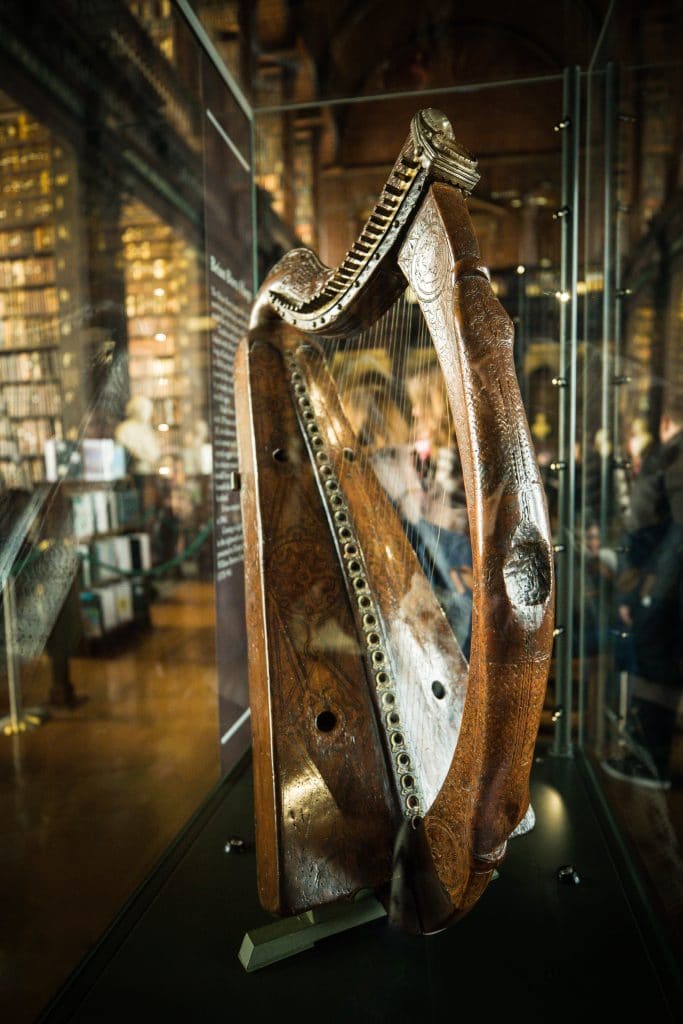
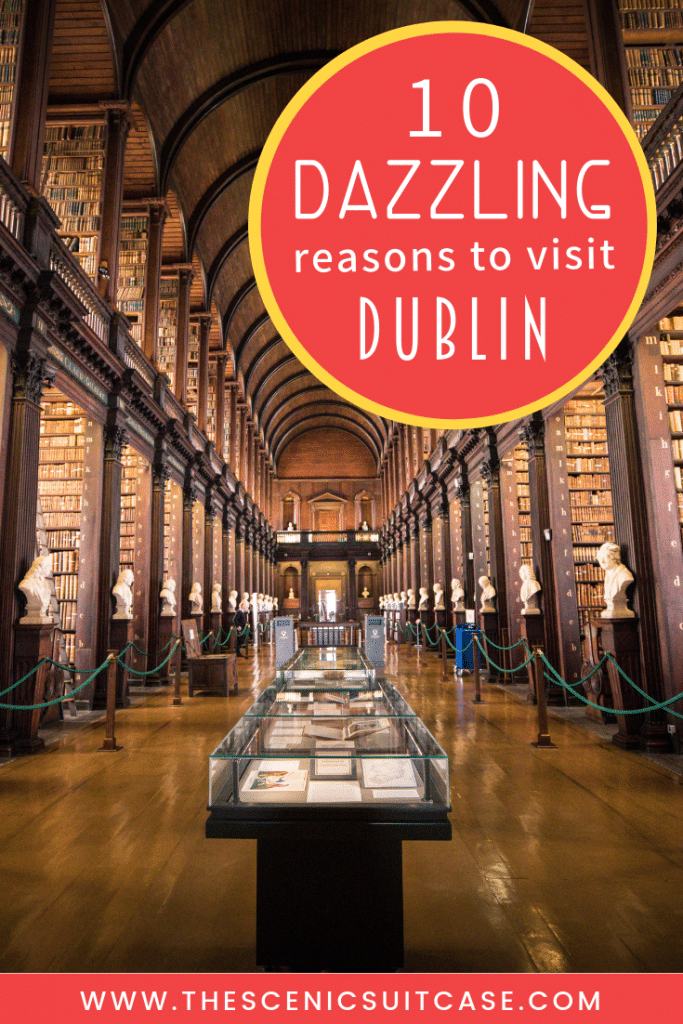
Above the Book of Kells exhibit, you’ll find the impressive Long Room on the second floor. Built between 1712 and 1732, this 213-ft chamber in the Old Library houses 200,000 of the institution’s oldest books. Plus, it’s also where you’ll find the Brian Boru’s harp. One of the three oldest surviving Gaelic harps, it was used as a model for Ireland’s coat of arms.
EXPERT TIP: If you want any hope of photographing The Long Room without hoards of people, get there early! After the library opens, enter using a skip-the-line ticket and immediately pass the Book of Kells exhibit (don’t worry, you can come back downstairs later). Run upstairs to get your shots, and then you can double back to see the exhibit downstairs.
It’s also important to note that no tripods are allowed. And, to help preserve the ancient texts, avoid using a flash.

3. Grafton Street
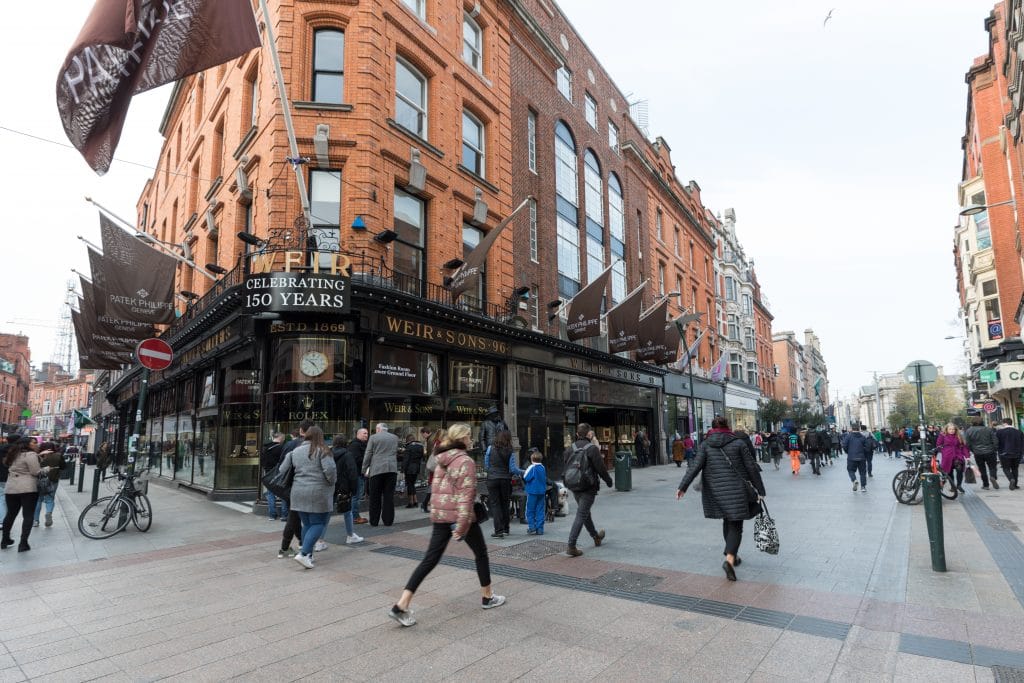
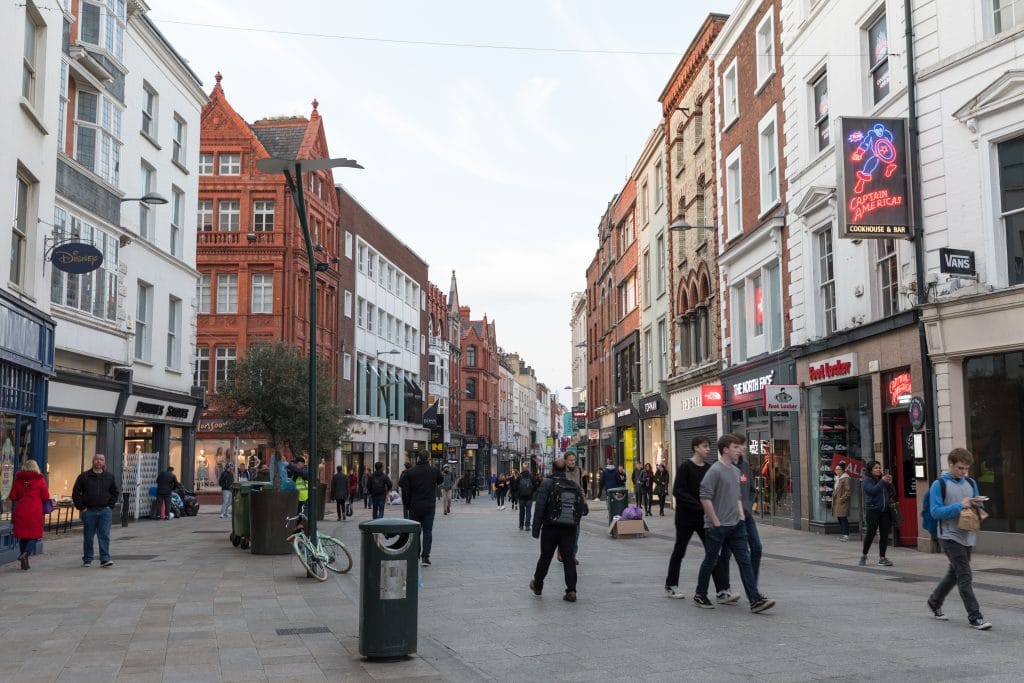
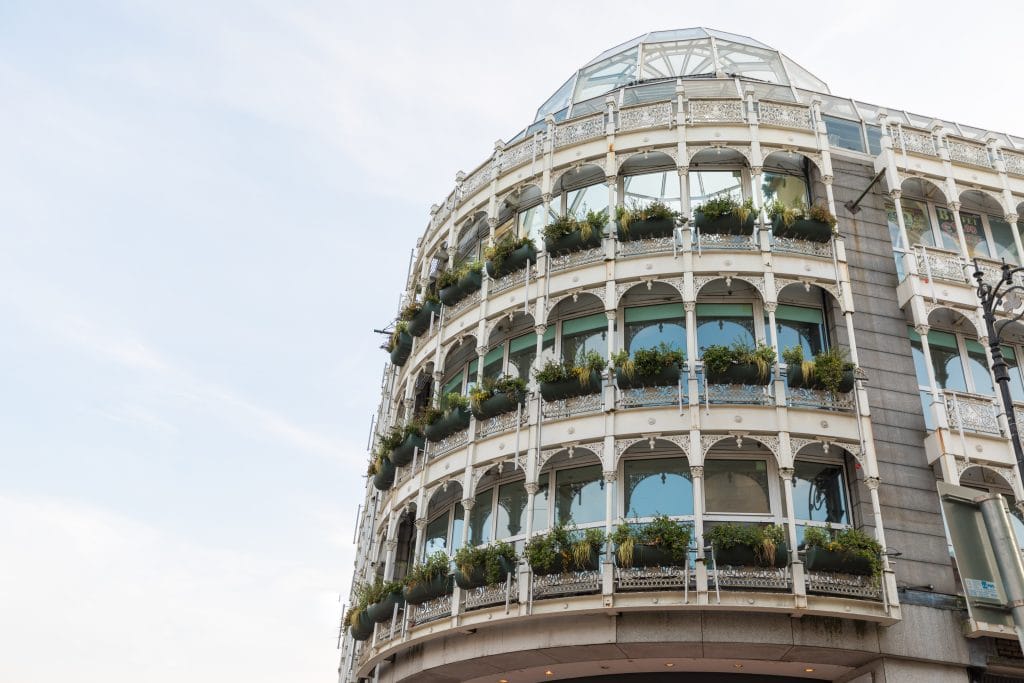
One of the main shopping areas in Dublin, Grafton Street stretches from St. Stephen’s Green to College Green. Here, you’ll find a variety of shops, eateries, and street vendors that make the area as eclectic as it is entertaining. It was also named one of the most expensive main shopping streets in the world (so get ready for your credit cards to do a little heavy lifting).
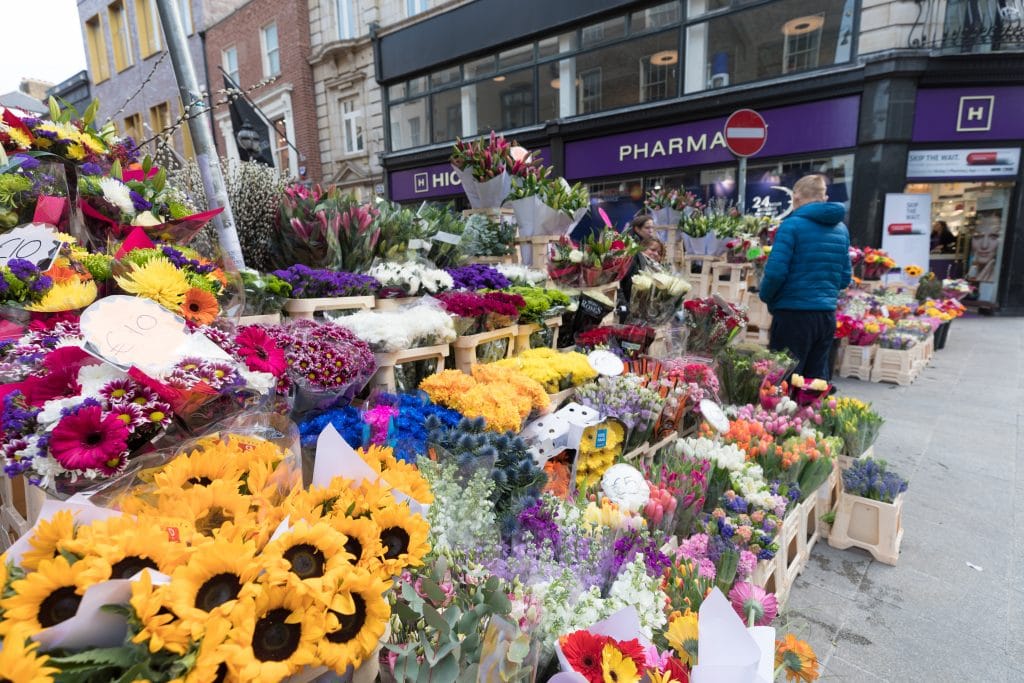
Colorful flower stands dot the walkway, street performers take photos with tourists for change, and local musicians fill the air with traditional Irish melodies.
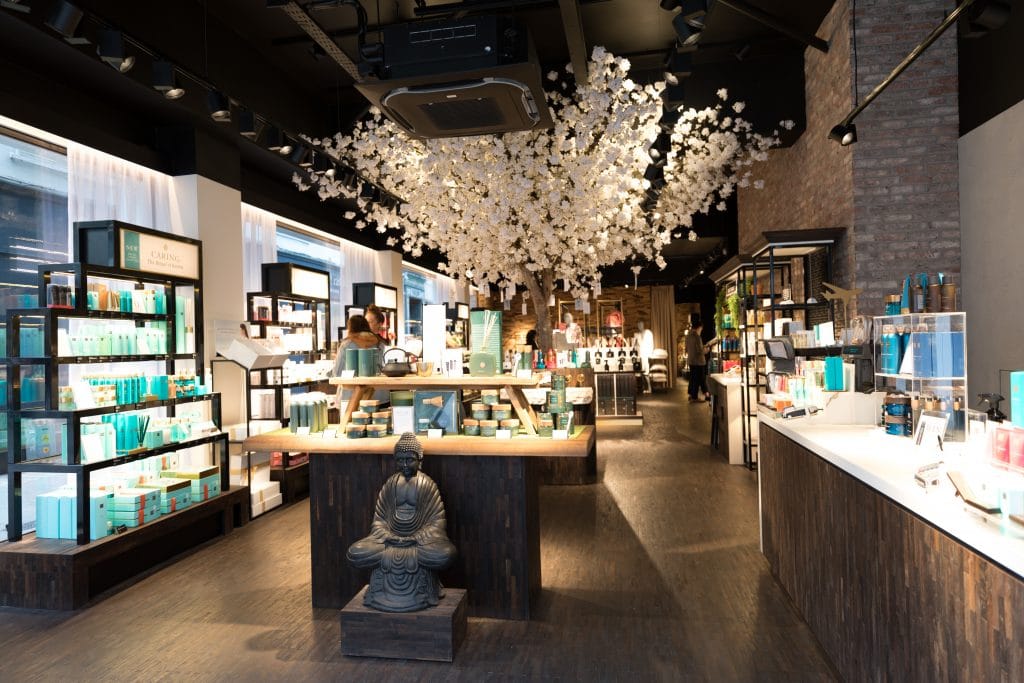
It’s also a great place to find a new hair straightener, should yours falsely claim to be compatible with worldwide voltage (not that I’d know or anything… wink, wink).
4. Tower Records
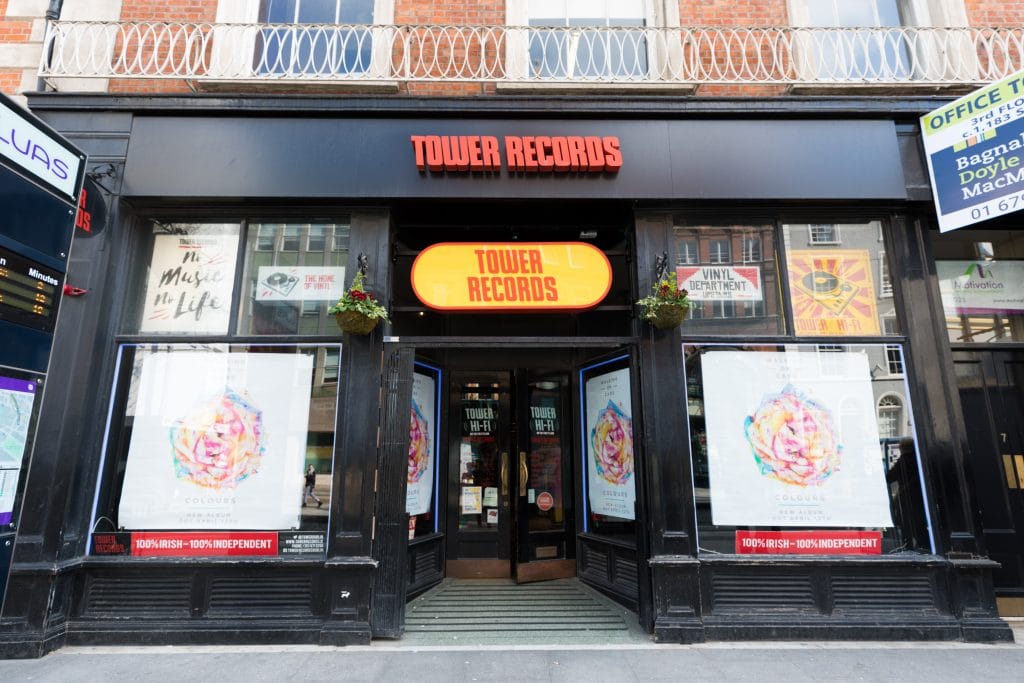
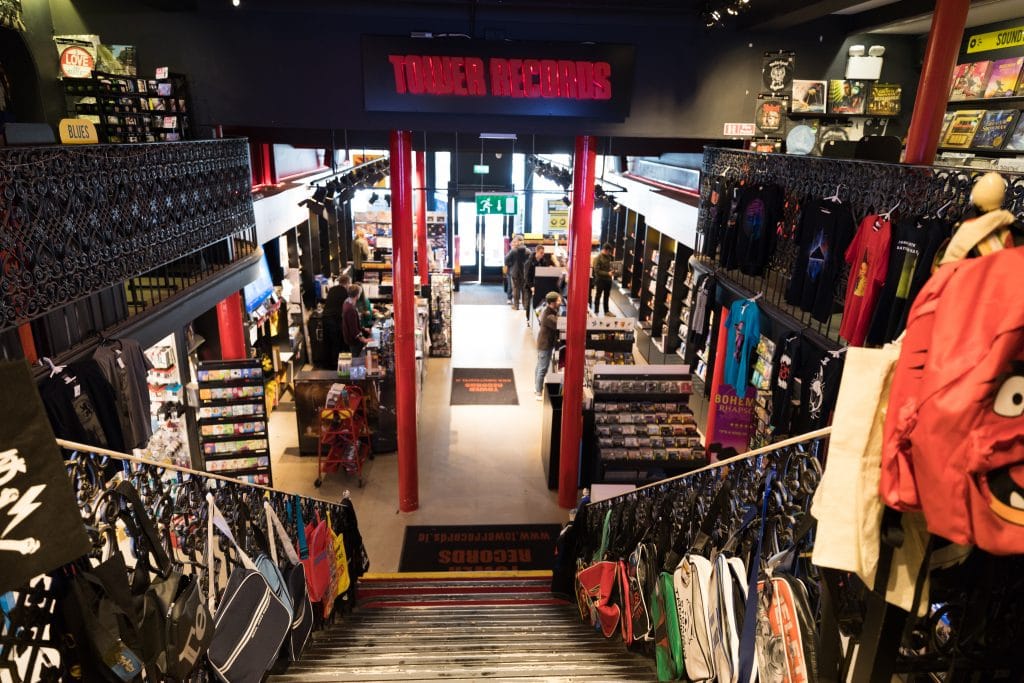
One of the last vestiges of a music retailer in the world, Tower Records’ only remaining store can be found on Dawson Street in Dublin. Once a worldwide brand with locations in multiple countries, the emerging popularity of online downloads led to the brand’s demise (and that of retailers like it).
So, if you’re in the mood for a throwback to the excitement of purchasing media over the counter, stop on by! And, while you’re there, grab a souvenir Tower Records T-shirt, mug, or sticker to commemorate your blast-from-the-past.
5. Christ Church Cathedral
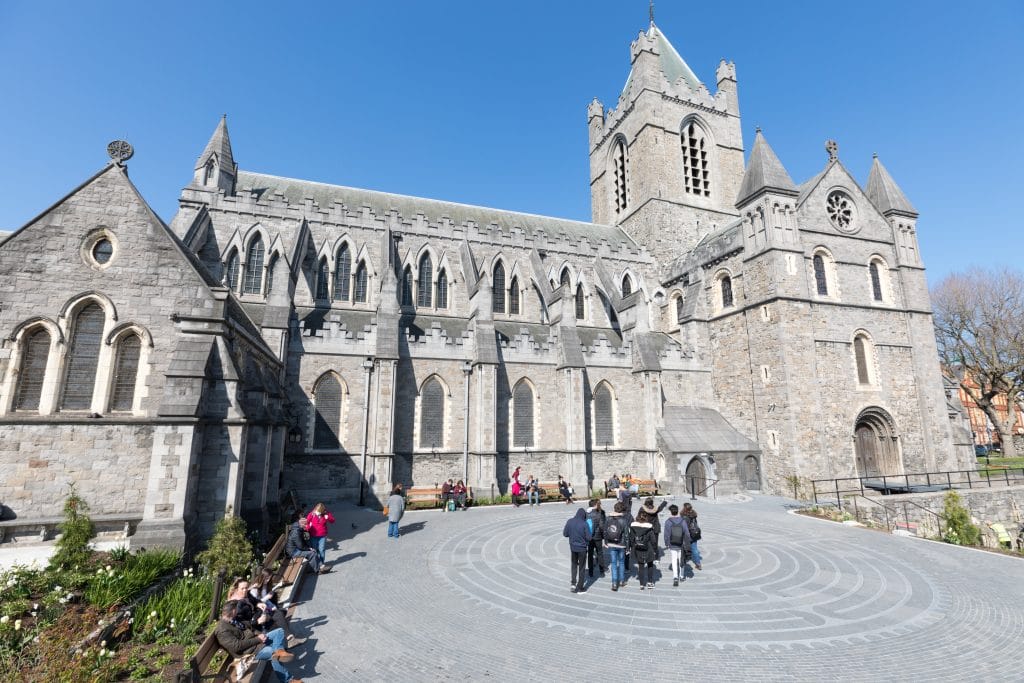
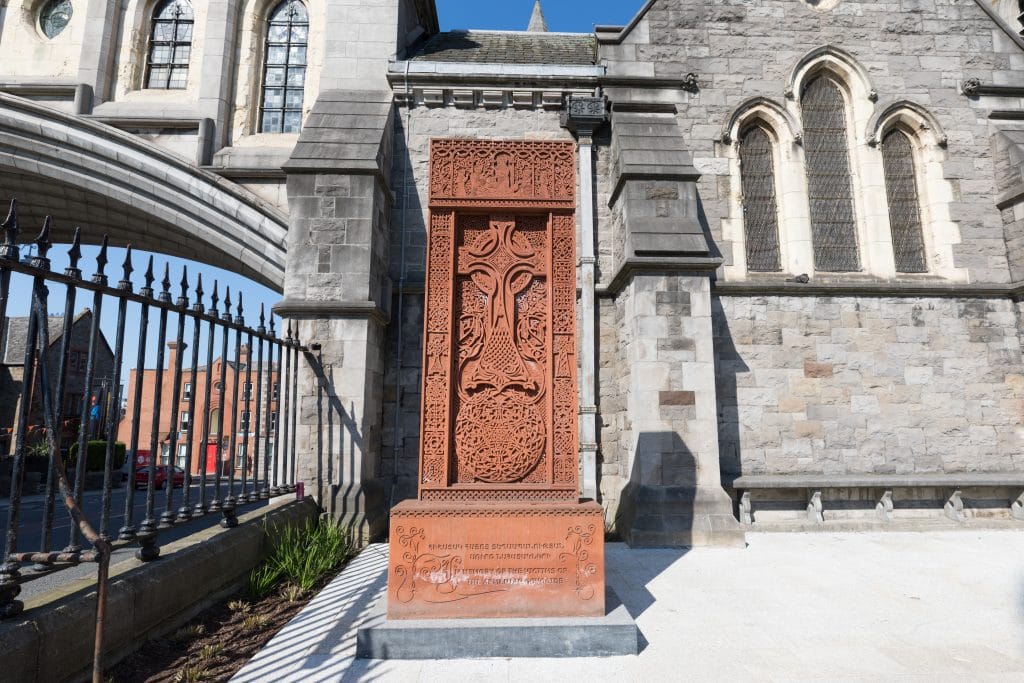
Christ Church Cathedral (or The Cathedral of the Holy Trinity), is Dublin’s oldest building and a site of pilgrimage for nearly 1,000 years. Founded around 1028, the cathedral was built on a hill overlooking the Viking settlement of Wood Quay. The structure has stood the test of time after an extensive renovation in the Victorian era to save its decaying facade from collapse.
Today, visitors can enjoy the cathedral’s imposing exterior, stunning interior, and medieval crypt. The crypt (which is the largest of its kind in Ireland) houses priceless silver and a mummified cat and rat! Mentioned in James Joyce’s Finnegans Wake, the popular crypt inhabitants are affectionately referred to by locals as Tom and Jerry.
The cathedral also houses a number of ancient relics, including a miraculously speaking cross and a piece of Jesus’ crib.
Tickets for self-guided tours are €7.00 and guided tours are €11.00 (with discounts available for children and seniors). You can purchase tickets up to 365 days ahead of time here.
6. Guinness Storehouse
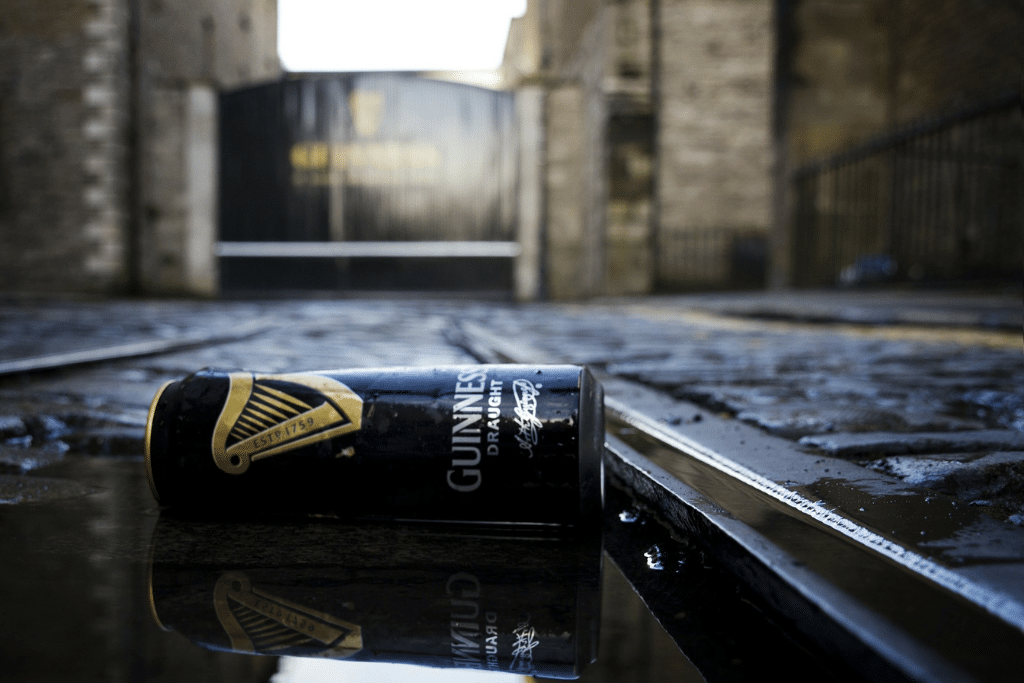
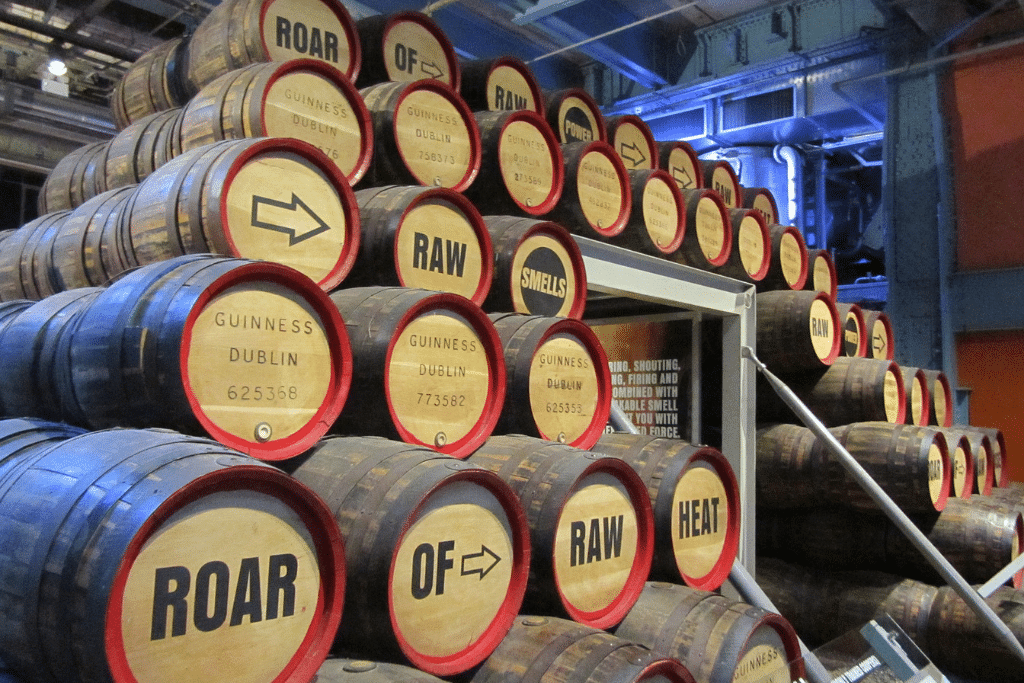
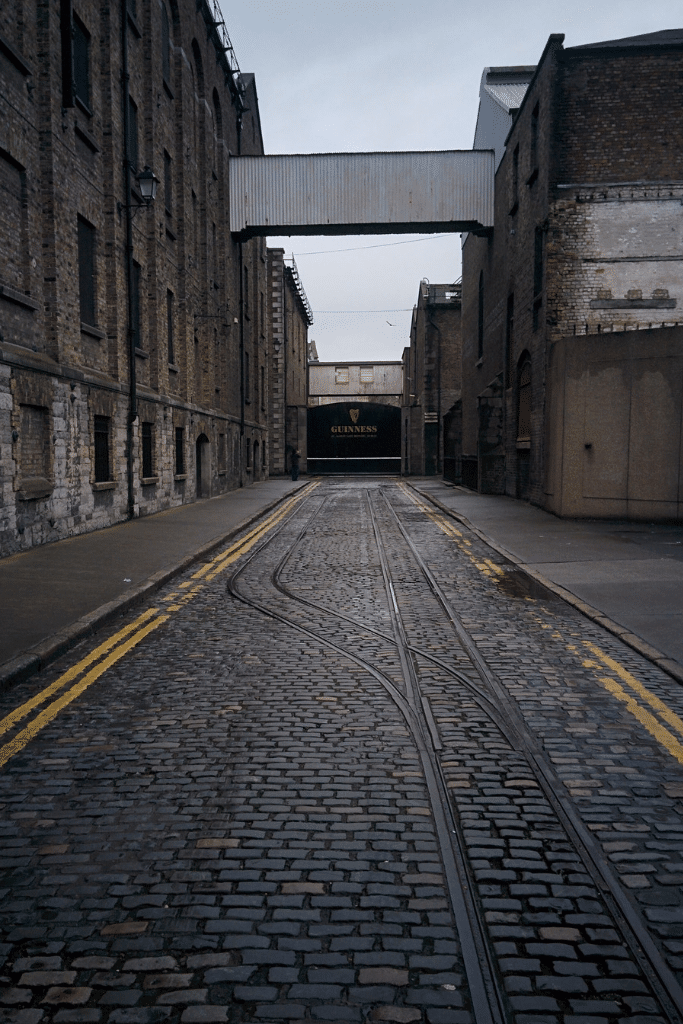
No stop to Dublin would be complete without a visit to the Guinness Storehouse. Tours through this iconic brewery are an interactive experience that fuses the brand’s history with Irish heritage.
The building spans seven floors which surround a glass atrium shaped like a pint of Guinness. At the base of the atrium is a copy of the 9,000-year lease signed by Arthur Guinness himself. And, at the top, the impressive Gravity Bar. Here, visitors can enjoy a 360-degree view of Dublin while drinking a mouthwatering pint of the storehouse’s namesake (which is included in the price of admission).
Hungry for a bit of traditional Irish fare? Then, visit The Brewery Bar, located on the fifth floor, which uses Guinness in both its recipes and as a meal accompaniment. It’s a delicious way to cap off your time at this iconic Irish experience.
7. River Liffey
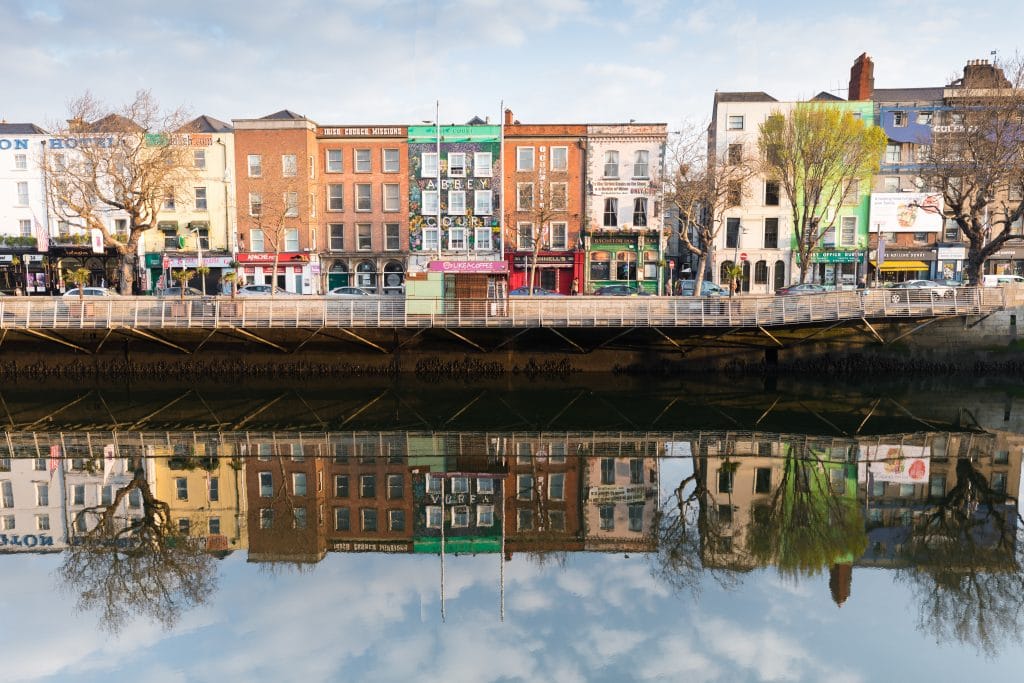
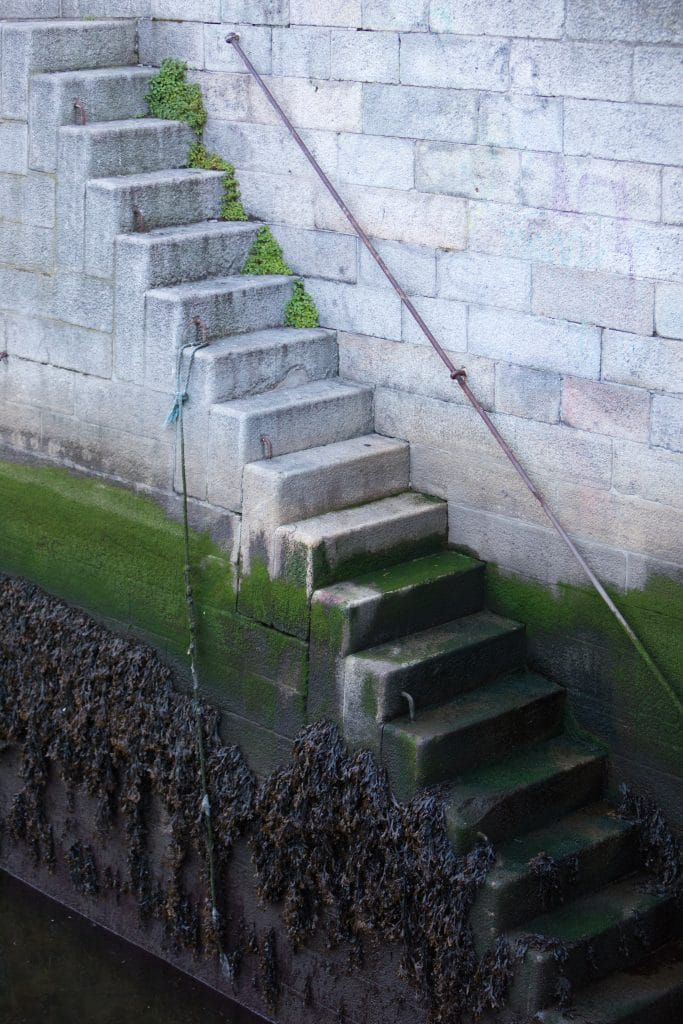
Winding through the center of Dublin, you’ll find the River Liffey. Flowing from its source at Lackan Reservoir to where it empties in Dublin Bay, the 50-mile body of water is heavily canaled throughout the city.
Along its banks, you’ll find a number of walkways and bridges offering scenic strolls and a variety of activities.
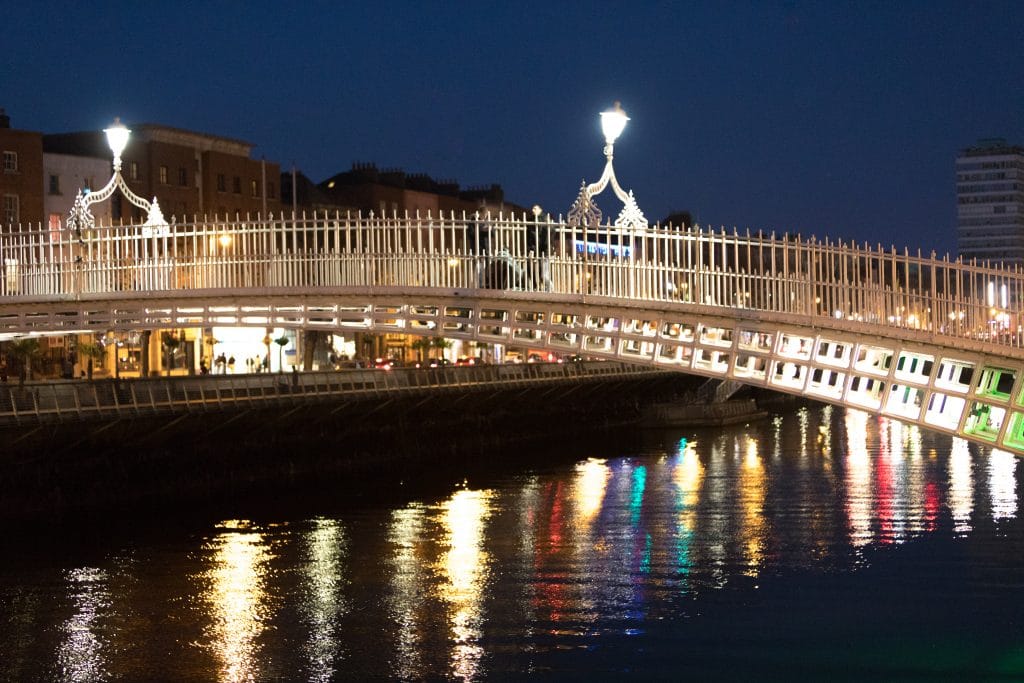
One of the notable bridges across the River Liffey is the Ha’Penny Bridge (officially called the Liffey Bridge). Its nickname was derived for the ha’penny toll that used to be charged to cross its white, cast-iron structure. And, it was well worth the cost to do so! Built in 1816, it was the only pedestrian bridge until the Millenium Bridge was built in 1999. When first constructed, a mere 450 people a day would walk across it. Now, the bridge is crossed by over 30,000 pedestrians daily!
8. St. Stephen’s Green
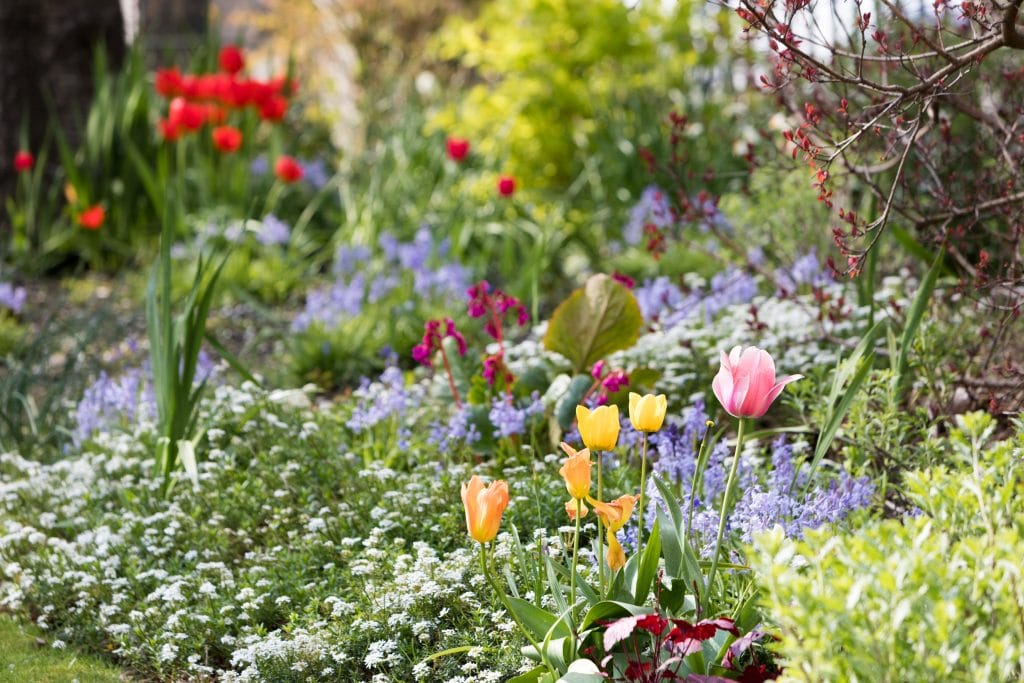
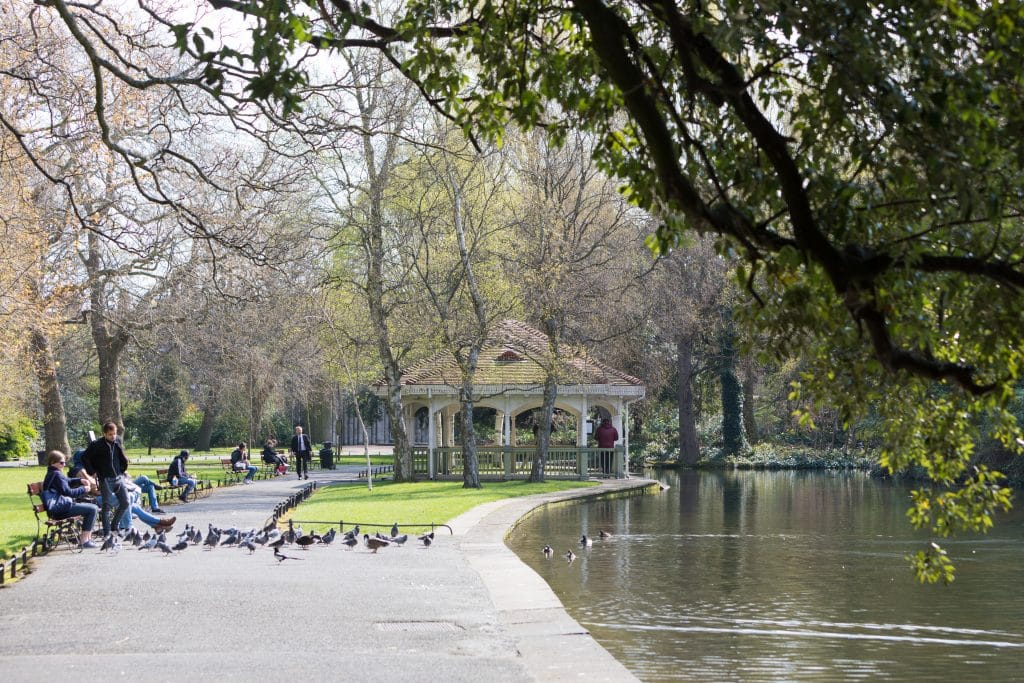
Re-opened by Lord Ardilaun in 1880, St. Stephen’s Green is a 22-acre public park that features colorful flowerbeds, a lake with a stone bridge, gazebos, and an area for the blind in the northwest corner of the central garden. The garden for the blind contains scented plants that can withstand handling and signs that are labeled in braille.
And, because the garden is conveniently located near Grafton Street, it’s the perfect place for a leisurely stroll after a few hours of shopping.

9. Doheny & Nesbitt
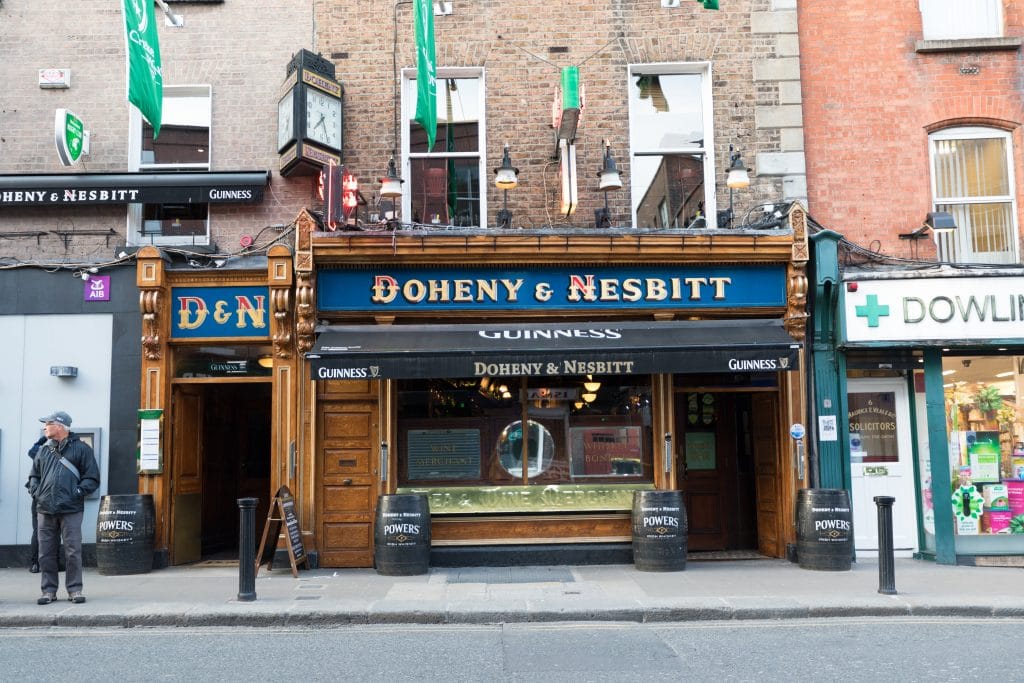
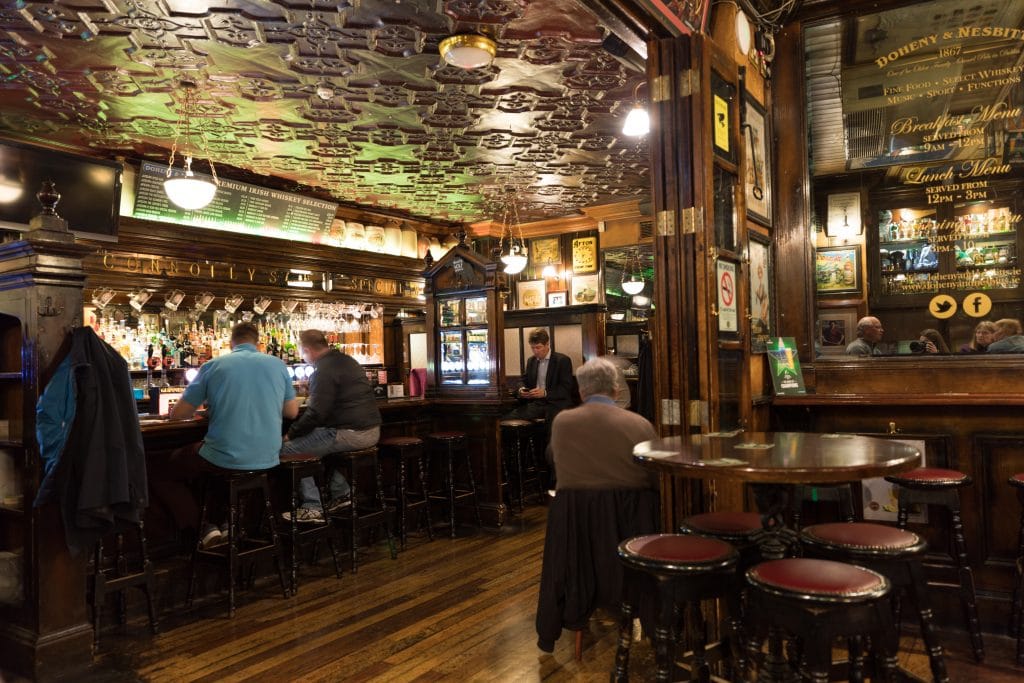
If you want mouthwatering Irish cuisine with a touch of history, look no further than Doheny & Nesbitt. The building that houses the historic pub dates back hundreds of years, but became a public house in the 1840s.
Since then, its Victorian style and old world charm have made it one of the most frequented pubs in Dublin. The main bar still features the original countertop, and the fittings date back to the 19th-century. In addition, the embossed lettering to the rear of the main bar dates back decades. Formally bearing the name O’Connor, it was later amended to Connolly, which is how it reads to this day.
But Doheny & Nesbitt’s main draw? The food! Their Seafood Chowder is phenomenal, and their Fish and Chips is out of this world!
10. Side Streets & Alleyways
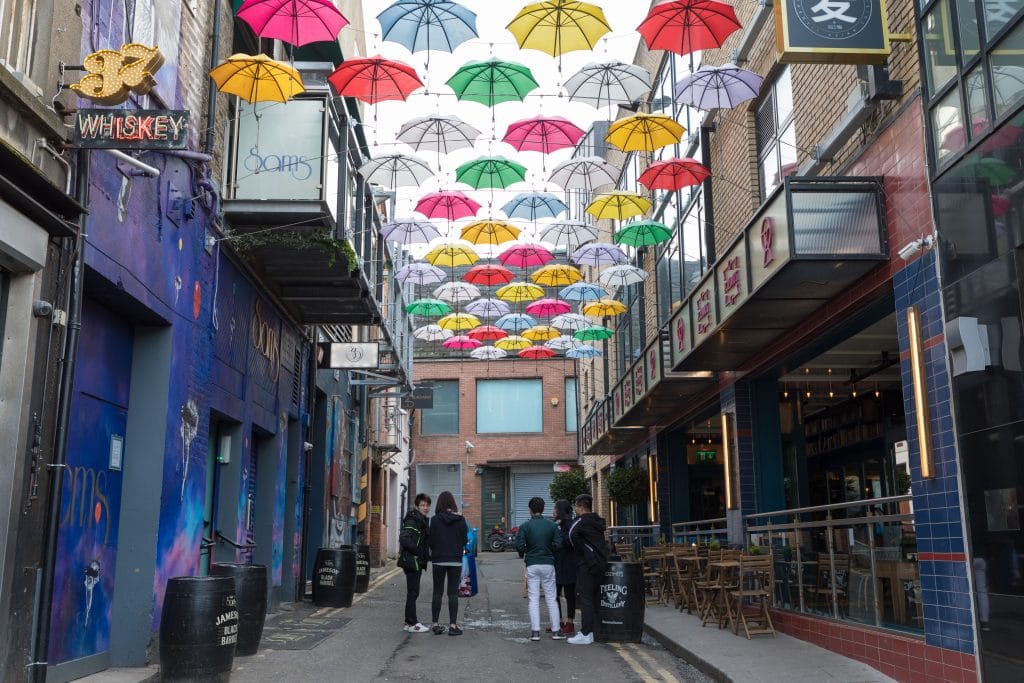
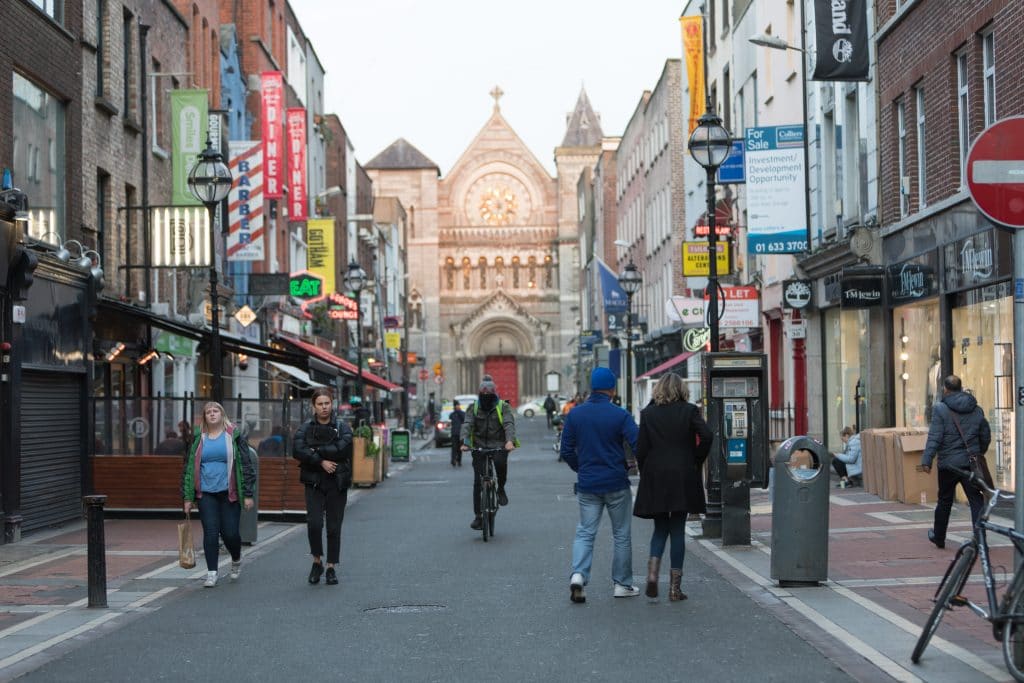
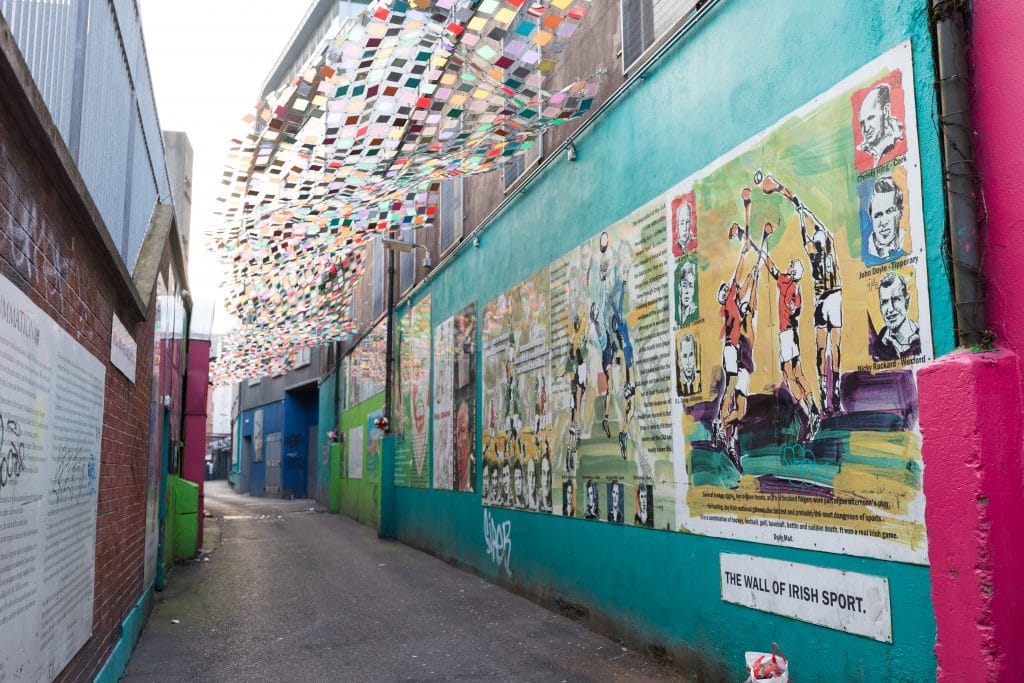
Equally impressive to the places mentioned above are some areas you may not think of as must-see sights. While they may not show up in a travel brochure, one of the most enchanting reasons to visit Dublin is the side streets and alleyways. Many are decorated with colorful street art, have grassy knolls, or are bookended with amazing architecture.
So, while you’re visiting tourist traps and well-known landmarks, don’t forget to venture off the beaten path! You’ll discover some hidden gems that very well may become some of your favorite memories in Dublin.

And, there you have it! Ten of the most amazing reasons to visit Dublin on your next trip through the Emerald Isle. Each more amazing than the last!
Have you been to Dublin before? What were some of your favorite things to do? Comment below, I’d love to hear about them!
You May Also Like:
» Must-See Sights Around Ireland
» The Best Things To See In Killarney
» The App Every International Traveler Needs


When in Dublin, we ate lunch at The Brazen Head. Dating back to 1198, it is Irelands oldest Pub! I highly recommend stopping by for lunch or live music at night.
That sounds absolutely incredible, great tip! I’ll have to check it out next time I’m there! 🙂